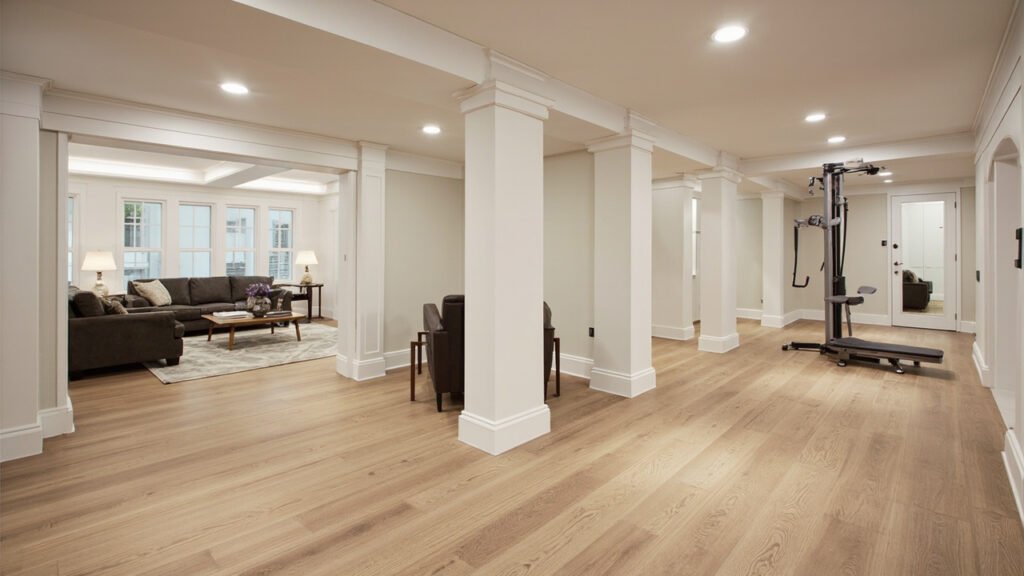
If you’re thinking about adding a home gym to your basement, you’re joining thousands of Greater Boston homeowners who are discovering the benefits of working out at home. A basement gym eliminates gym membership fees, saves commute time, and gives you a dedicated space that fits your schedule. But here’s the thing—not all basements are created equal, especially in our area. With older homes, varying ceiling heights, and the ever-present risk of moisture, basement home gym construction requires more than just throwing down some rubber flooring and calling it done. That’s where hiring an experienced basement home gym contractor makes all the difference.
Why Basements in Greater Boston Present Unique Challenges
Living in communities like Newton, Wellesley, Lexington, or Brookline means your home was likely built decades ago. These older properties often have basements with lower ceilings, uneven floors, and concrete slabs that weren’t designed with modern finishing in mind. Add to that our New England climate—humid summers and cold, wet winters—and you’ve got conditions that can lead to moisture problems if your basement gym isn’t built properly from the start.
A basement home gym contractor who understands these local challenges will know how to address foundation issues, improve ventilation, and select materials that hold up in below-grade spaces. This isn’t the time for a general contractor who’s never worked in a Massachusetts basement before.
What a Professional Basement Home Gym Contractor Actually Does
When you hire a basement-specialist contractor, you’re getting a team that understands the full scope of basement finishing, not just the parts that look good in photos. Here’s what the process typically involves:
- Moisture assessment and remediation before any finishing work begins
- Framing and insulation tailored to basement conditions
- Drywall installation with proper moisture-resistant materials
- Flooring solutions like LVP or rubber tiles designed for concrete slabs
- Proper HVAC and ventilation planning to keep air circulating
- Lighting installation that brightens up typically dark basement spaces
- Ceiling solutions that maximize headroom while meeting code requirements
For homeowners in Weston, Wayland, or Bedford, this comprehensive approach means your home gym will be built to last—not just look good for a season.
Dealing with Ceiling Height and Egress Requirements
One of the most common concerns when finishing a basement for a gym is ceiling height. Many older Boston-area homes have basements with 7-foot ceilings or less, which can feel cramped when you’re trying to do overhead presses or mount wall-mounted equipment. A skilled basement home gym contractor will work with your specific measurements to optimize the layout, possibly recommending recessed lighting, drop ceilings with removable panels, or open-beam finishes to preserve as much vertical space as possible.
Massachusetts building codes also require egress—or a way to exit—in finished basement spaces. If you’re converting a basement into a gym with regular family use, your contractor will need to address this. Options include installing egress windows, window wells, or ensuring your existing stairs meet current code. Don’t skip this step—it affects both safety and whether you’ll pass inspection.
Moisture Management: The Most Important Step You Can’t Skip
Basement moisture is the enemy of any home gym. Dampness leads to mold, warps flooring, damages equipment, and creates an unhealthy environment for workouts. Before your basement gym project begins, a thorough moisture assessment is essential. Your contractor should check for water intrusion, evaluate the grade around your foundation, and recommend solutions like interior drainage systems, dehumidifiers, or waterproofing membranes.
Once the space is dry, your contractor will use moisture-resistant materials throughout—treated lumber for framing, moisture-resistant drywall, and flooring options that won’t absorb water or harbor mold. This attention to detail is what separates a professional basement finishing from a DIY project that could cost you thousands in repairs later.
Customizing Your Basement Gym for Your Workout Style
Think about how you’ll actually use the space. Are you planning to install heavy equipment like squat racks, treadmills, or free weights? Your basement home gym contractor will ensure the flooring can handle the weight and impact, the walls are properly reinforced for mounted equipment, and your electrical system can support the load. Some homeowners also want to add features like:
- Mirrors and rubber flooring for yoga or stretching areas
- Dedicated lifting platforms with reinforced subfloors
- Climate control for year-round comfort during workouts
- Soundproofing if you’ll be using loud equipment or music
- Basement bathrooms or changing areas for post-workout convenience
Discussing these details upfront helps your contractor plan the scope properly and avoid surprises during construction.
Questions to Ask Your Basement Home Gym Contractor
Before signing any contract, make sure you’re working with a contractor who specializes in basement finishing. Ask about their experience with moisture issues in older homes, their process for addressing egress requirements, and who handles the trade work like electrical and plumbing. You want a team that employs licensed electricians and plumbers, not one that outsources critical systems to unqualified subcontractors.
Also ask about their job site cleanup, communication practices, and how they handle unexpected issues once construction begins. A professional basement home gym contractor will have clear answers and a track record of completed projects in your area.
Ready to Build Your Basement Home Gym?
Creating a home gym in your basement is one of the best investments you can make for your health and your home’s value. But it requires planning, expertise, and someone who understands the unique characteristics of below-grade spaces in Greater Boston. From moisture management in Newton homes to ceiling height optimization in Wellesley, the details matter when you’re building a gym that’s meant to last.
Ready to transform your basement? Visit our basement finishing page or call (857) 666-8643 for a Free, no-obligation estimate