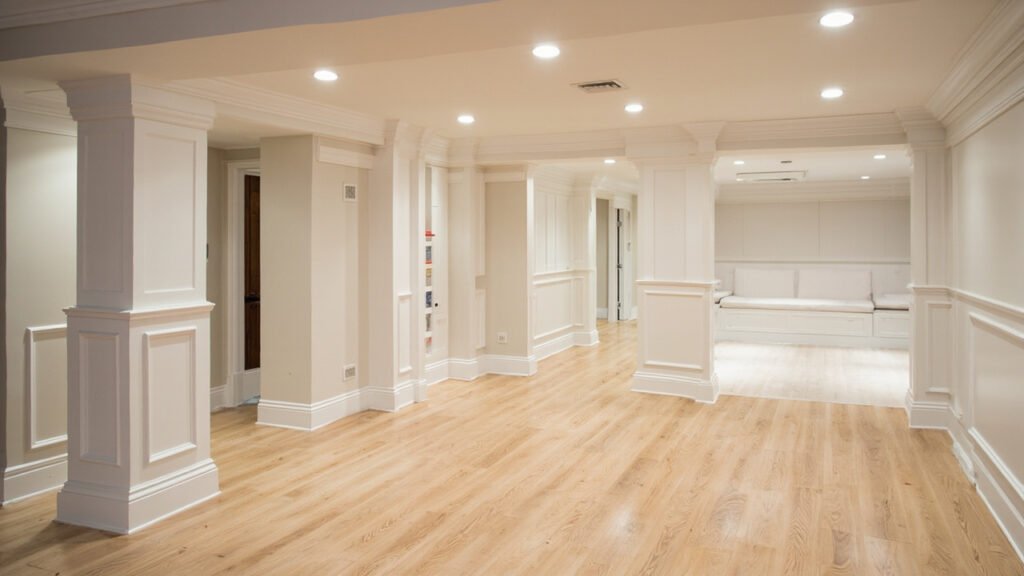
More Greater Boston homeowners are discovering that their basement holds untapped potential for creating a dedicated home gym. Whether you’re setting up a few cardio machines or building a full CrossFit-style workout space, working with an experienced basement home gym contractor ensures your project is done right—from moisture protection to code compliance.
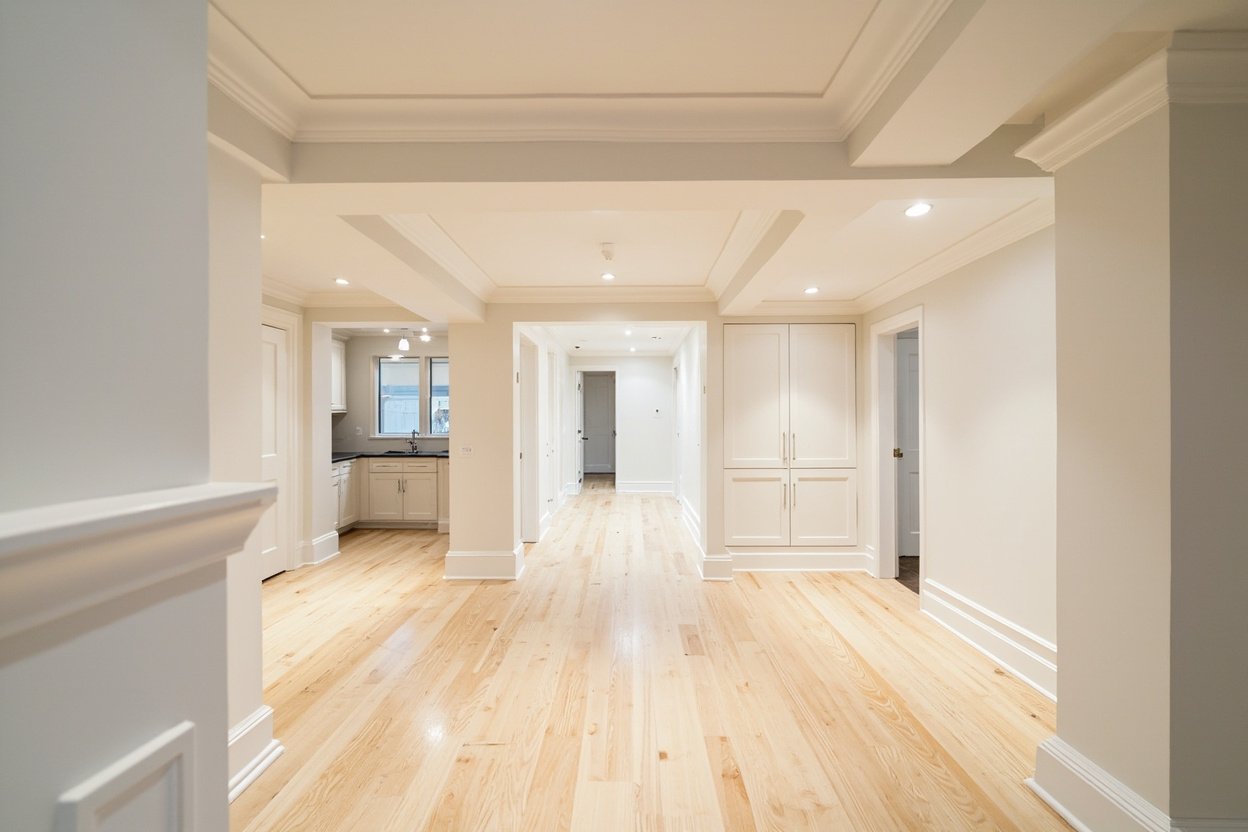
Why Homeowners Choose Basement Home Gyms
Basements offer unique advantages for fitness spaces. They stay naturally cool in summer, are removed from the main living areas, and make it easy to keep workout equipment contained in one place. This works especially well for busy households where family members have different schedules.
Some of the most common basement gym setups include:
- Cardio zones with treadmills, bikes, or rowing machines
- Weight training areas with racks, benches, and free weights
- Yoga and stretching spaces with rubber flooring
- Full CrossFit or functional fitness setups with rig systems
- Combined fitness and storage areas with rubber mats
What Makes Finishing a Basement Gym Different
A home gym in the basement is different from finishing a family room or office. Gym spaces have specific demands that affect how the space should be built.
You need to plan for:
- Heavy equipment loads—power racks, treadmills, and multi-gym systems require secure flooring and sometimes reinforced framing
- Moisture resistance—sweat, water bottles, and humidity mean materials need to handle damp conditions without warping or mold
- Sound considerations—rubber flooring and wall insulation help manage noise, especially important in attached homes
- Electrical capacity—multiple machines, fans, and audio/video equipment often need dedicated circuits
- Proper ventilation—enclosed workout spaces need adequate air exchange to prevent stale air and moisture buildup
The Basement Home Gym Finishing Process
Working with a basement home gym contractor means going through a clear, professional process. Here’s what a typical project looks like for Greater Boston homeowners.
- Initial assessment and design—We evaluate your basement’s current condition, ceiling height, moisture levels, and existing systems. Then we design a layout that works for your equipment and workout style.
- Framing and structural prep—We frame walls, prepare any bulkhead or beam areas, and address structural issues before insulation goes in.
- Insulation and vapor barriers—Below-grade walls get proper insulation to meet energy code requirements and help regulate temperature.
- Electrical and plumbing—Licensed electricians run wiring for outlets, lighting, and any dedicated circuits. If you’re adding a bathroom or water source, plumbers handle that work.
- Flooring installation—Rubber tiles, LVP (luxury vinyl plank), or other gym-appropriate flooring gets installed over a properly prepared subfloor.
- Drywall, trim, and finishing—Walls get finished, trim goes in, and we handle painting and final details.
Boston-Area Considerations for Basement Gyms
Greater Boston homes present specific challenges for basement finishing. Older construction in neighborhoods like Newton, Brookline, Wellesley, and Lexington often means irregular foundation dimensions, limited headroom, and moisture history that needs careful evaluation.
Ceiling height is a common concern. Many older Boston-area basements fall short of modern expectations. During your estimate, we measure what’s available and discuss options—whether that’s removing bulkheads, lowering the floor, or working with existing heights to maximize usable space.
Moisture management is critical. Massachusetts weather brings humid summers and wet winters. We specify moisture-resistant materials, proper vapor barriers, and drainage solutions. For some older homes, we recommend perimeter drainage or sump pump installation before finishing work begins.
Egress requirements affect your layout. If your basement will serve as living space or include certain elements, local codes may require proper egress windows or access. We know the requirements for communities across Greater Boston and build accordingly.
What to Look for in a Basement Home Gym Contractor
Not every contractor has experience with below-grade spaces and gym-specific requirements. Here’s what matters when comparing basement home gym contractors:
- Specific experience with basement finishing, not just general remodeling
- Clear communication and written proposals with scope details
- Licensed electricians and plumbers available for trade work
- Experience with moisture issues in older homes
- Clean, organized job sites and reliable scheduling
- Portfolio showing finished basement work
Getting Started on Your Basement Home Gym
If you’ve been thinking about finishing your basement into a home gym, the first step is getting a professional estimate. We visit your home, assess the space, and provide a clear scope for what the project involves—including any considerations specific to your home’s construction and your gym equipment plans.
Every basement is different. Whether you’re in Needham, Westwood, Quincy, or another Greater Boston community, we can evaluate your space and discuss what’s realistic given your layout, budget, and goals.
Ready to transform your basement? Visit our basement finishing page or call (857) 666-8643 for a Free, no-obligation estimate