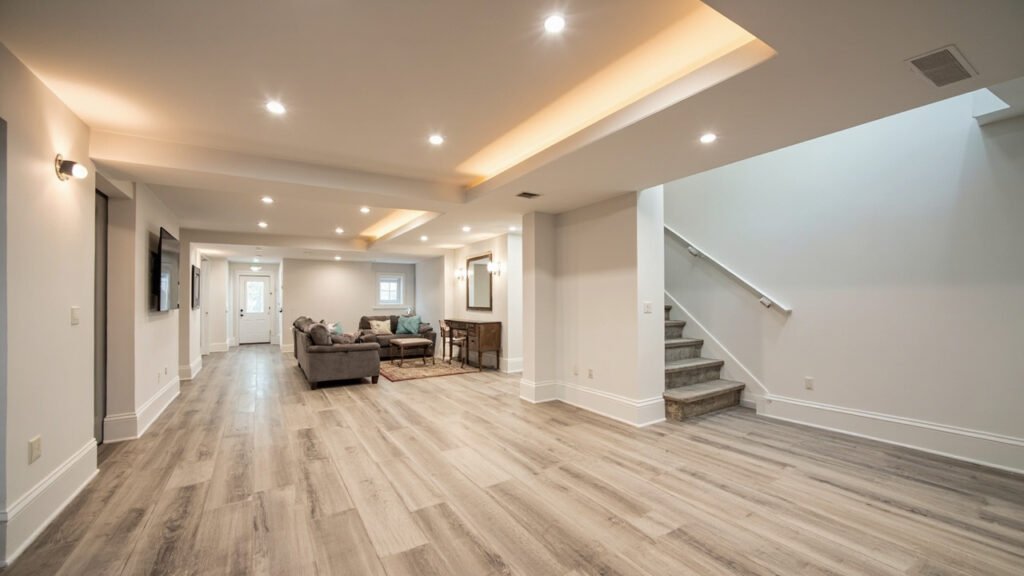
Planning a basement project? If you’re researching cost to finish basement boston, this guide covers important considerations for Greater Boston homeowners.
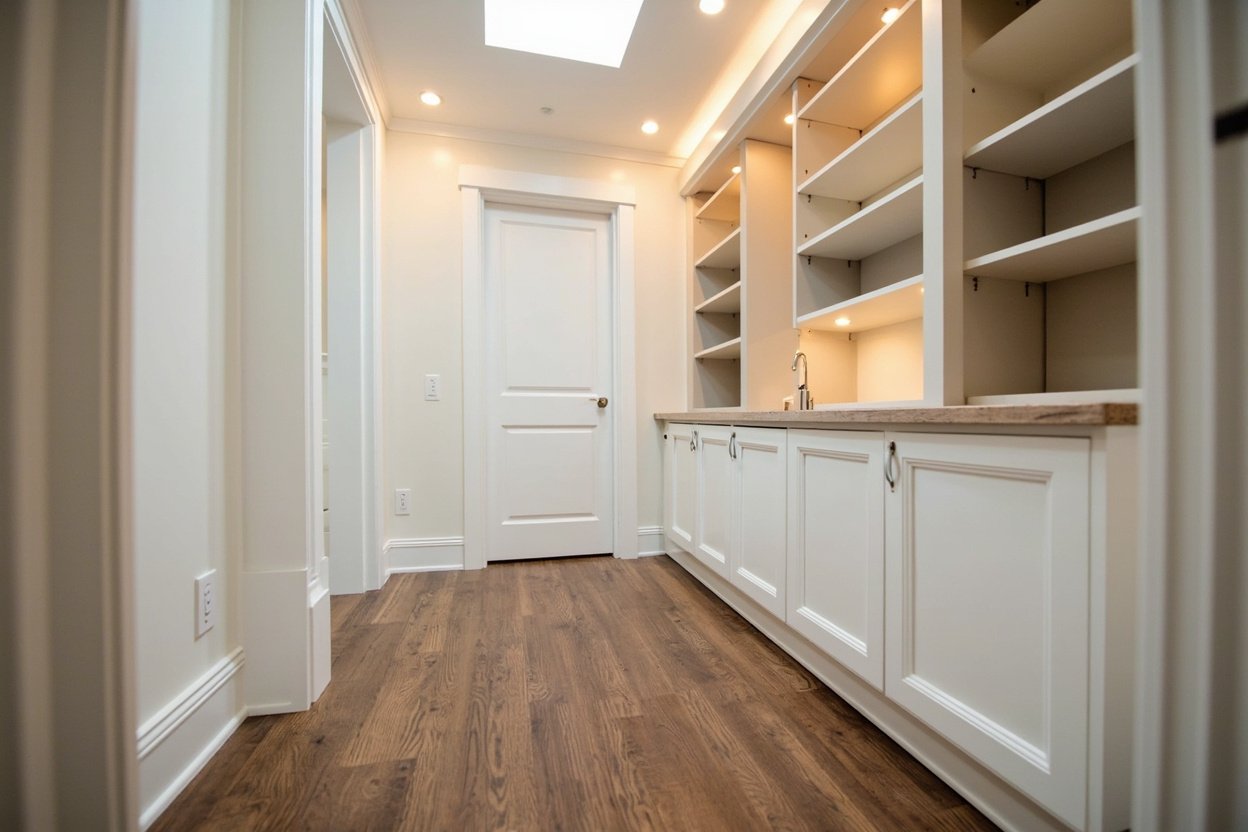
Finishing a basement is one of the most rewarding home improvement projects you can tackle in Greater Boston. It transforms underutilized square footage into livable space—whether that is a cozy family room, a productive home office, a gym, or even a private guest suite for visiting family. But before you start planning paint colors and flooring options, you likely have one big question: how much does it cost to finish a basement in Boston?
The honest answer is that every project is different. Your final cost depends on the condition of your space, the scope of work you want, and the finishes you choose. That said, this guide will walk you through the major factors that influence basement finishing costs in the Boston area so you can budget and plan with confidence.
Understanding the Key Cost Factors for Basement Finishing
Basement finishing costs are not one-size-fits-all. Several variables come into play, and understanding them helps you have a more productive conversation with your contractor.
- Square footage of the space — Larger basements require more materials and labor, naturally increasing costs.
- Condition of existing walls, floors, and ceilings — Older homes in Newton, Lexington, or Brookline may have foundation issues or outdated systems that need attention before finishing can begin.
- Ceiling height and obstructions — Many Boston-area homes were built decades ago and may have lower ceilings or ductwork that affects layout and finishing options.
- Moisture and water management — Below-grade spaces require proper moisture control to prevent mold and damage down the road.
- Electrical and plumbing needs — Adding outlets, lighting, bathrooms, or a wet bar involves licensed electrician and plumber work, which adds to the overall budget.
- Choice of finishes — From flooring materials to trim and paint, your aesthetic preferences influence cost significantly.
Boston-Specific Considerations for Your Basement Project
Homes in the Greater Boston area present unique challenges that homeowners in other regions may not face. If you own a historic property in Wellesley, Needham, or Weston, your basement may have older concrete, limited headroom, or lack proper drainage systems.
Here are some local factors our team accounts for on every basement finishing project:
- Moisture management — Boston’s climate means basements can be prone to dampness. We assess water intrusion risk, recommend dehumidification solutions, and use moisture-resistant materials throughout.
- Egress requirements — Building codes in Massachusetts require proper egress windows or alternate exits if the basement will be used as a sleeping area. This is especially relevant if you are planning a guest suite or in-law apartment.
- Ceiling height challenges — Some older Boston-area homes have basement ceilings below modern code requirements. We work with homeowners to find creative solutions, whether that involves dropping a ceiling or using open-beam looks where code permits.
- Utility access and ductwork — Many homes have HVAC systems, water heaters, or other utilities occupying basement space. We design around these elements or relocate them as needed.
Typical Scope of Work for a Basement Finish
While every project is customized, most basement finishing jobs in the Boston area include some variation of the following:
- Demolition and removal of existing materials
- Framing new walls and partitions
- Installing insulation and vapor barriers
- Hanging and finishing drywall
- Installing basement-appropriate flooring such as LVP or tile
- Painting walls and trim work
- Ceiling solutions—drop ceilings, drywall, or tongue-and-groove
- Lighting installation and electrical finishing
- General carpentry and finishing touches
Beyond these basics, many homeowners choose to add basement bathrooms, wet bars or kitchenettes, egress windows, or stairway updates. These additions expand your living space but also affect your overall budget.
Where Your Money Goes: A Cost Breakdown
While we cannot give a single number without visiting your home, we can share how costs typically break down for basement finishing projects in the Boston area:
- Framing and structural work — Typically 15-20% of total project cost
- Electrical — Wiring, outlets, switches, and lighting fixtures usually account for 10-15%
- Plumbing — If you are adding a bathroom or kitchenette, plumbing can represent 10-20% depending on complexity
- Flooring — Material and installation for LVP, tile, or carpet typically runs 8-12%
- Drywall and finishing — Hanging, taping, mudding, and painting usually makes up 10-15%
- Insulation and moisture control — Often 5-8% of the total budget
The Value of Working with a Basement Specialist
Not every general contractor approaches basement finishing the same way. Our team at Basement Finishing of Boston specializes exclusively in below-grade spaces, which means we understand the unique challenges that come with them.
When you work with specialists, you benefit from:
- Moisture-aware building practices — We use materials and methods designed for below-grade environments
- Streamlined processes — We have refined our approach to basement projects over years of experience
- Clean job sites and clear communication — You will always know where your project stands
- Licensed trade partners — Our electricians and plumbers are licensed in Massachusetts
- Single point of contact — One team manages your entire project from concept to completion
Planning Your Basement Finishing Budget
Here are a few tips to help you plan financially for your basement finishing project in Greater Boston:
- Get a professional assessment — A thorough inspection of your existing space helps identify issues before they become costly surprises.
- Prioritize your needs — Decide which features are essential versus nice-to-have. This helps your contractor tailor recommendations to your budget.
- Plan for the unexpected — In older homes especially, budget an extra 10-15% for unforeseen issues like remediation or structural repairs.
- Think long term — Investing in proper moisture management and quality finishes upfront saves money on repairs and replacements later.
- Consider functionality — Spaces like home offices, gyms, and guest suites add real value to your home and your daily life.
Ready to Get Started?
Finishing your basement is an investment in your home and your lifestyle. Whether you are looking to create a family room for movie nights, a productive home office for remote work, or a private guest suite for visiting relatives, our team has the experience and expertise to bring your vision to life.
Ready to transform your basement? Visit our basement finishing page or call (857) 666-8643 for a Free, no-obligation estimate
We proudly serve homeowners throughout Greater Boston, including Needham, Newton, Lexington, Wellesley, Brookline, Westwood, Weston, Acton, Natick, Wayland, Bedford, Burlington, Quincy, Braintree, and surrounding communities. Let us help you make the most of every square foot in your home.
When planning your cost to finish basement boston, focus on proper scope definition, moisture management, and selecting materials suited for below-grade spaces.