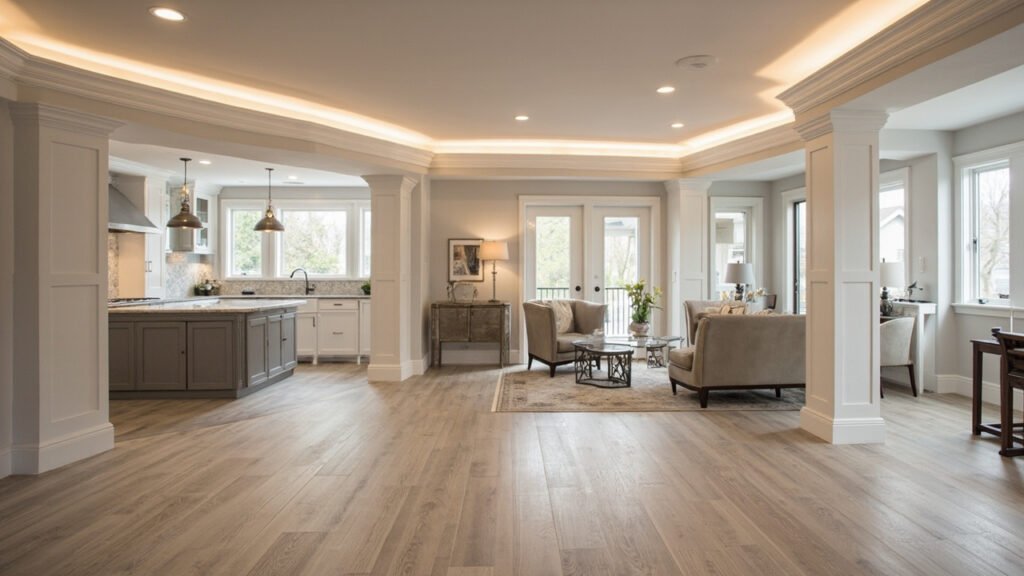
If you own a home in Needham, Newton, Wellesley, or elsewhere around Greater Boston, you’ve probably thought about making better use of your basement. Maybe the kids need a playroom, you’re working from home and need a quiet office, or you’d love a guest suite for visiting family. Whatever the reason, a basement renovation can add serious value and livable square footage to your home.
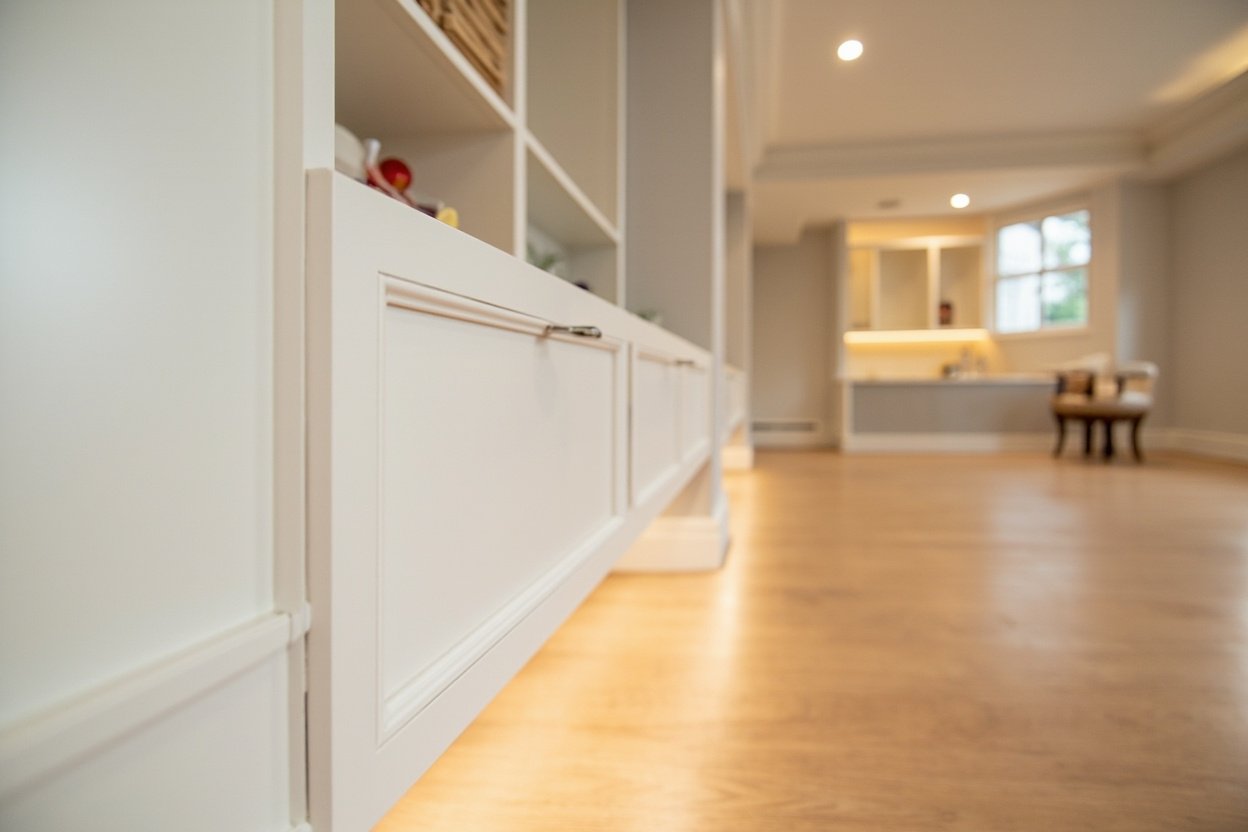
But before you jump in, there are some important things every Greater Boston homeowner should understand about finishing a below-grade space. This guide walks you through what to expect, what challenges are common in our area, and how to set your project up for success.
Why Basements in Greater Boston Require Special Attention
Massachusetts homes are often older than homes in other parts of the country. Many houses in Needham, Brookline, Weston, and Lexington were built decades ago with foundations made of brick, stone, or concrete block. While these foundations are solid, they present unique challenges when it comes to finishing:
- Moisture management is the biggest concern in below-grade spaces. Our area sees significant rain and snow, and water can find its way through foundation walls over time.
- Ceiling height can be an issue in older homes. Some basements have lower clearance than modern building codes recommend for finished living spaces.
- Limited natural light is common since basement windows tend to be small and positioned high on foundation walls.
A quality basement finishing contractor will assess these factors before recommending a scope of work. Don’t trust anyone who wants to start framing without first checking the foundation’s condition.
The Typical Basement Renovation Process in Massachusetts
Every project is different, but most basement finishing jobs in the Greater Boston area follow a similar sequence:
- Initial consultation and assessment – We evaluate moisture levels, existing structure, and your goals for the space.
- Design and planning – Layout decisions, ceiling solutions, lighting placement, and any bathroom or wet bar additions.
- Framing and insulation – Using pressure-treated lumber for bottom plates and proper insulation for exterior walls.
- Electrical and plumbing rough-in – Licensed electricians and plumbers handle all trade work.
- Drywall, trim, and finishing – The space starts to look like the rest of your home.
- Flooring and final touches – LVP flooring, tile, painting, lighting fixtures, and any remaining details.
Popular Basement Remodeling Projects in the Boston Area
Homeowners in towns like Wayland, Natick, Bedford, and Westwood often ask us about similar projects. Here are the most common basement renovations we complete:
- Family rooms and rec rooms – The most popular use of finished basement space. Perfect for movie nights, game days, and everyday family life.
- Home offices – With remote work here to stay, a quiet basement office with good lighting and minimal foot traffic is incredibly valuable.
- Gyms and wellness spaces – Basements make ideal home gyms since they’re already insulated from the main living areas.
- In-law suites and guest areas – A basement guest suite with its own bathroom gives visitors privacy and comfort.
- Home theaters – The naturally darker, quieter below-grade environment is perfect for a dedicated media room.
Important Considerations for Your Needham Basement Project
Before we start hammering nails, there are a few things we always discuss with homeowners in the Greater Boston area:
Egress requirements matter if you plan to create a bedroom or sleeping area in the basement. Massachusetts building codes require a proper egress window or door for any room used as a bedroom. This isn’t just a code requirement—it’s a safety issue for your family. We can help you understand what egress solutions work best for your foundation type.
Vapor barriers and moisture control are non-negotiable in our climate. We recommend closed-cell spray foam or rigid foam insulation against foundation walls, followed by a proper vapor barrier before framing. This prevents the moisture problems that plague many older basements in our area.
Ceiling solutions can make or break a finished basement. If your basement has limited height, we offer creative options like drop ceilings with recessed lighting, which give you access to wiring and ductwork while maintaining a clean look. Alternatively, exposed beams with paint can create an industrial or farmhouse aesthetic that works well in older homes.
What Sets Professional Basement Finishing Apart
You might be tempted to compare bids from contractors who frame basements as a side business versus those who specialize in below-grade finishing. Here’s why specialization matters:
- We understand moisture in a way general contractors may not. We’ve seen what happens when proper prep work is skipped, and we know how to prevent those problems.
- Clean job sites and clear communication are part of our standard process. Basement work can be disruptive, but we minimize mess and keep you informed throughout the project.
- Licensed trade specialists handle all electrical and plumbing work. This means no surprises and no callbacks when something isn’t done to code.
Getting Started with Your Basement Renovation
Whether you’re in Needham, Quincy, Braintree, or any of the surrounding communities, the first step is a conversation. We’d rather spend time understanding your goals and your home’s specific conditions than rush into a cookie-cutter estimate.
Basement finishing projects can feel overwhelming, but they don’t have to be. With the right team, clear scope, and honest communication, your unfinished basement can become one of the best rooms in your home.
Ready to transform your basement? Visit our basement finishing page or call (857) 666-8643 for a Free, no-obligation estimate
When planning your basement renovation needham ma, focus on proper scope definition, moisture management, and selecting materials suited for below-grade spaces.