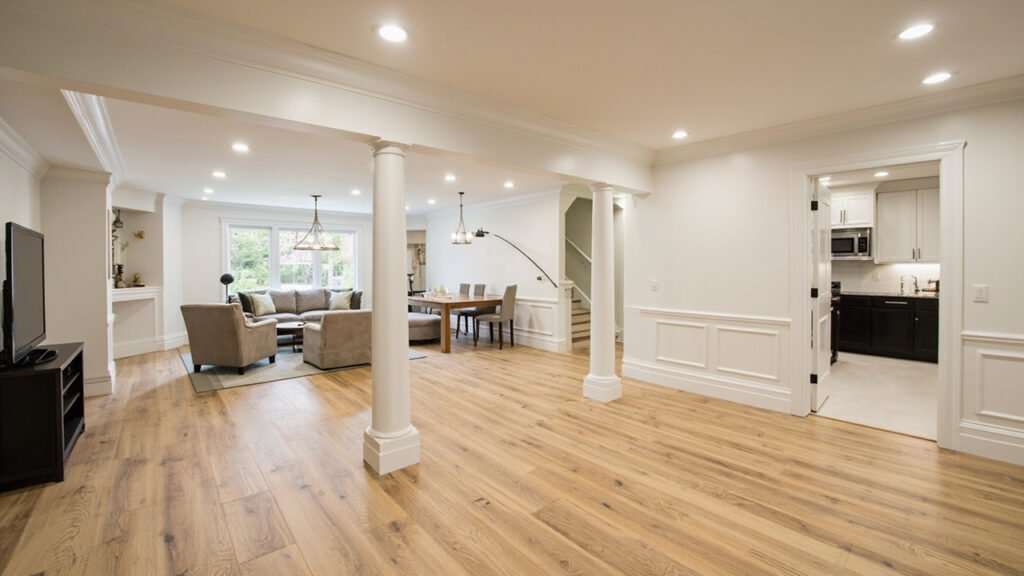
Finished basements make exceptional playrooms for families throughout Greater Boston. If you have an unfinished basement space and dream of creating a dedicated area where your kids can play, create, and explore, you’re not alone. Many homeowners in Newton, Needham, Wellesley, and surrounding communities are discovering that their below-grade spaces offer tremendous potential for family-friendly living. This guide walks you through practical basement playroom ideas that work specifically for Boston-area homes.
Why Basements Are Ideal for Playrooms in Boston
Boston-area homes often feature older construction with smaller upper floors, making every square foot valuable. A finished basement playroom gives children a dedicated space without consuming living areas meant for adults. Weather in Massachusetts means kids spend significant time indoors during cold winters and humid summers, so having a climate-controlled play space becomes especially valuable.
Basements also naturally contain sound better than upstairs rooms, which means less noise disruption when you’re working from a home office or relaxing in the living room. This sound containment makes basements particularly attractive for families who want both togetherness and separation.
Planning Your Basement Playroom: Key Considerations
Before diving into design ideas, homeowners should evaluate several factors unique to Boston basements:
- Ceiling height: Many older Greater Boston homes have basement ceilings below modern code requirements. Before planning, measure your available ceiling height. Some areas may require creative solutions like recessed lighting or exposed beam finishes.
- Moisture management: New England basements face humidity challenges, especially in communities like Wellesley, Weston, and Lexington where water tables can be high. A proper moisture barrier, adequate ventilation, and dehumidification systems protect your investment and keep the space healthy.
- Egress requirements: Building codes in Massachusetts require proper egress windows or alternate exits in finished basement living spaces. This affects layout planning but also presents an opportunity for natural light and emergency access.
- Existing conditions: Assess your foundation walls, floor conditions, and any existing water issues before committing to a full finish. Professional contractors can identify problems that might otherwise cause headaches later.
Creative Basement Playroom Design Ideas
Transforming your basement into an engaging play space involves combining functionality with imagination. Consider these popular approaches:
Zones for Different Activities
Divide your basement playroom into distinct zones that serve different purposes. A calm reading nook with soft lighting and bean bags works well alongside an active play area with open floor space. A craft station with durable surfaces and built-in storage keeps mess contained. Consider including a small seating area where you can supervise while staying comfortable.
Creative Storage Solutions
Basement playrooms benefit enormously from smart storage. Built-in cubbies and shelving maximize wall space while keeping toys accessible. Label each container so kids learn organization skills. Avoid freestanding furniture that eats up valuable floor space in basements where square footage matters most.
Lighting That Invites Play
Basements need excellent lighting to feel inviting rather than cavernous. Layer overhead fixtures with task lighting for specific areas like craft tables or reading corners. LED strips along bookcases or play areas add visual interest while providing practical illumination. Light-colored walls and flooring reflect what light you have, making spaces feel larger and more cheerful.
Keeping Your Basement Playroom Safe and Dry
Moisture remains the primary concern for basement playrooms in Massachusetts. Experienced basement finishing contractors understand how to address these challenges properly.
- Waterproofing before finishing: Address any existing water seepage with interior drainage systems or exterior waterproofing before installing insulation and drywall.
- Vapor barriers: Proper installation of vapor barriers between concrete walls and finished surfaces prevents moisture accumulation that leads to mold and uncomfortable humidity.
- Durable flooring: Luxury vinyl plank (LVP) flooring handles moisture exposure better than carpet while providing comfortable play surfaces. Many LVP options now mimic warm wood tones that feel more inviting than cold concrete.
- Regular monitoring: Even with excellent construction, Boston basements benefit from periodic moisture checks, especially during spring thaw and heavy rain periods.
Making the Most of Challenging Spaces
Not every basement offers ideal conditions. Older homes in Brookline, Westwood, and Newton sometimes feature oddly shaped spaces, support columns, or limited ceiling height. Rather than viewing these as obstacles, incorporate them into your design.
Support columns become natural room dividers or display areas. Low ceilings might inspire a cozy fort-building zone using bean bag furniture and tent structures. If natural light is limited, create bright focal points with wall murals, colorful storage systems, or interactive elements that don’t require daylight.
Bringing Your Basement Playroom to Life
Every basement project begins with understanding your specific space, goals, and budget. Professional basement finishing teams in Greater Boston can help you navigate local building codes, moisture challenges, and design decisions that match your family’s lifestyle.
Whether you envision a simple play area or a comprehensive multi-use space with zones for games, crafts, and reading, the process remains similar. A detailed scope ensures nothing gets overlooked, professional framing and moisture management protect your investment, and quality finishes create a space you’ll enjoy for years.
Ready to transform your basement? Visit our basement finishing page or call (857) 666-8643 for a Free, no-obligation estimate
When planning your basement playroom ideas, focus on proper scope definition, moisture management, and selecting materials suited for below-grade spaces.