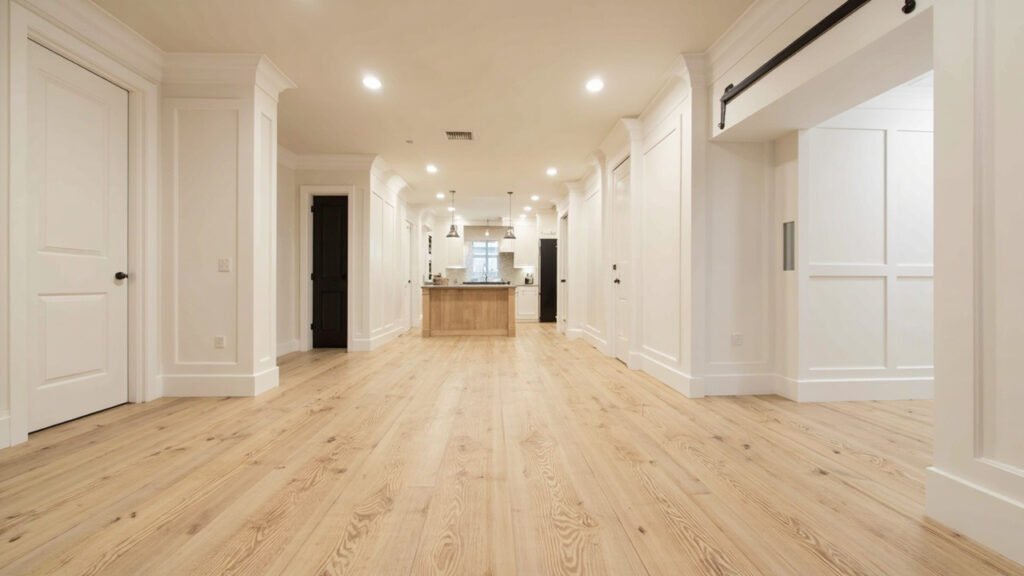
Your basement holds incredible potential. For homeowners across Greater Boston—from historic Colonials in Lexington to split-levels in Quincy—finishing a basement can add hundreds of square feet of living space without the cost and complexity of a home addition. Whether you dream of a cozy family room, a productive home office, or a private guest suite for visiting loved ones, modern basement renovation offers flexible solutions tailored to how your family actually lives.
Why Basement Finishing Makes Sense for Boston-Area Homes
Greater Boston’s housing market means every square foot counts. Basement finishing transforms underutilized space into rooms your family will use daily. Unlike additions, a finished basement works within your home’s existing footprint, often requiring less permitting and construction disruption. Many older Boston-area homes have basements with good ceiling height potential once you’ve addressed moisture and insulation properly.
Modern basement renovation also addresses the specific challenges of below-grade spaces in our climate. New England winters bring freeze-thaw cycles that can affect foundations. Professional basement finishing accounts for moisture management from the start—something DIY attempts often miss.
Popular Modern Basement Layout Ideas
When planning your basement renovation, think about how the space will serve your household:
- Open-concept family room: Remove unnecessary walls to create a spacious gathering area with defined zones for watching movies, playing games, and relaxing
- Dual-purpose home office and guest room: Use sliding barn doors or folding screens to transform a workspace into overnight accommodations
- In-law suite: A self-contained unit with bedroom, sitting area, and optional kitchenette or bathroom provides privacy for extended family
- Home theater: Sound-dampened walls and controlled lighting transform movie night into a cinematic experience
- Fitness studio: Dedicated workout space keeps muddy shoes and gym bags out of your main living areas
Consider traffic flow and natural light from any existing windows. In older Brookline and Wellesley homes, you may work with smaller windows or limited egress points—factors that affect furniture placement and room layout.
Addressing Boston Basement Challenges
Successful basement finishing in our region requires thoughtful solutions to common below-grade issues:
Ceiling Height
Many Boston-area homes were built with lower basement ceilings than today’s standards. If your ceiling height is limited, consider these approaches:
- Exposed beam ceilings painted dark to recede visually
- Dropped ceiling panels in contemporary styles for easy access to utilities
- Foam-core decorative panels that add style without sacrificing inches
Moisture Management
New England’s water table and seasonal moisture fluctuations make moisture control essential. Professional basement finishing includes:
- Interior drainage systems or vapor barriers on walls
- Proper insulation meeting current energy codes
- Dehumidification solutions sized for the space
- Material selections designed for below-grade conditions
Egress Requirements
If your basement will serve as a bedroom or living area, building codes require proper egress—either a door to the outside or egress windows large enough for emergency escape. Older homes in Newton and Westwood often need egress window installations as part of their basement renovation. This isn’t just code compliance; it’s a critical safety feature for your family.
Material Choices for Lasting Beauty
Modern basement finishing materials balance aesthetics with practicality. Your contractor should guide you toward options that look great and perform well in below-grade conditions:
- Flooring: Luxury vinyl plank (LVP) handles moisture better than hardwood and comes in convincing wood and stone looks. Large-format tile works beautifully in bathrooms and wet areas.
- Walls: Moisture-resistant drywall or traditional drywall with mold-resistant facing handles New England humidity better than standard materials
- Lighting: Recessed LED fixtures brighten spaces without hanging low, and layered lighting design prevents that “tunnel” feeling common in basements
The Renovation Process: What to Expect
Professional basement finishing follows a clear process designed to minimize disruption to your daily life. After an initial consultation to understand your vision and assess your space, your contractor creates a detailed scope of work covering:
- Demolition of existing finishes and any damaged materials
- Framing for new walls, soffits, and built-ins
- Electrical work by licensed electricians—adequate outlets, lighting circuits, and any specialized equipment
- Plumbing for bathrooms, wet bars, or utility connections
- Insulation meeting current Massachusetts energy codes
- Drywall installation, taping, and finishing
- Flooring, painting, trim, and final touches
- Lighting fixtures and hardware installation
Clean job sites and clear communication throughout mean you’ll always know what’s happening next. Professional contractors coordinate the various trades so work proceeds efficiently.
Making the Most of Your Investment
A well-finished basement offers excellent return on investment for Greater Boston homeowners. Beyond added living space, basement finishing can increase your home’s appeal to future buyers and reduce strain on other areas of your home. The key is working with specialists who understand the unique requirements of below-grade construction in our climate.
Ready to transform your basement? Visit our basement finishing page or call (857) 666-8643 for a Free, no-obligation estimate
When planning your modern basement renovation ideas, focus on proper scope definition, moisture management, and selecting materials suited for below-grade spaces.