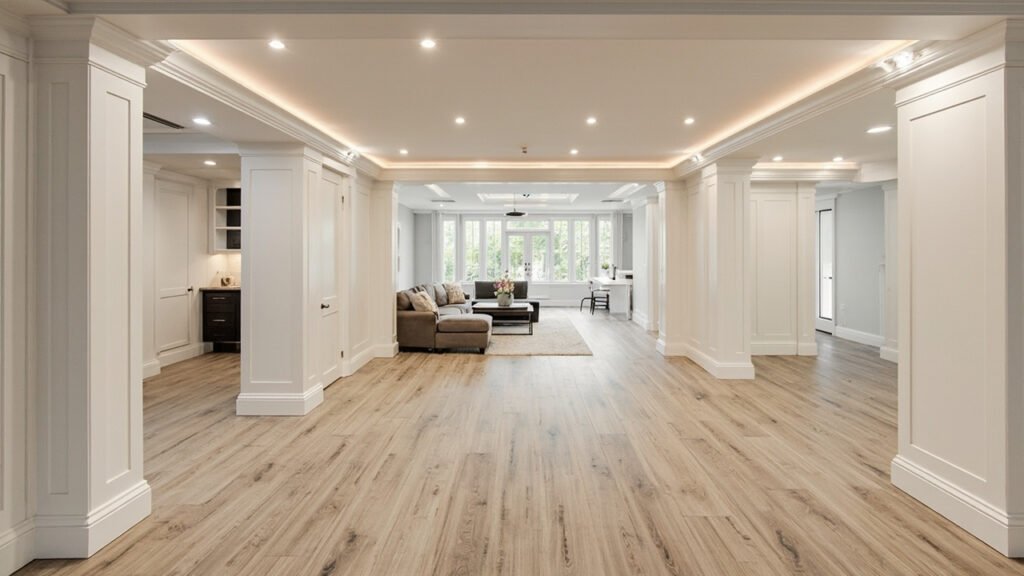
If you own a home in Wellesley, MA, and you’ve been thinking about finishing your basement, you’re not alone. Many homeowners in the Greater Boston area are discovering that their basement square footage is some of the most valuable, underutilized space in their home. Whether you want a cozy family room, a productive home office, a guest suite for visiting family, or even a basement bathroom for added convenience, basement finishing can transform an often-neglected area into living space your household will use every day.
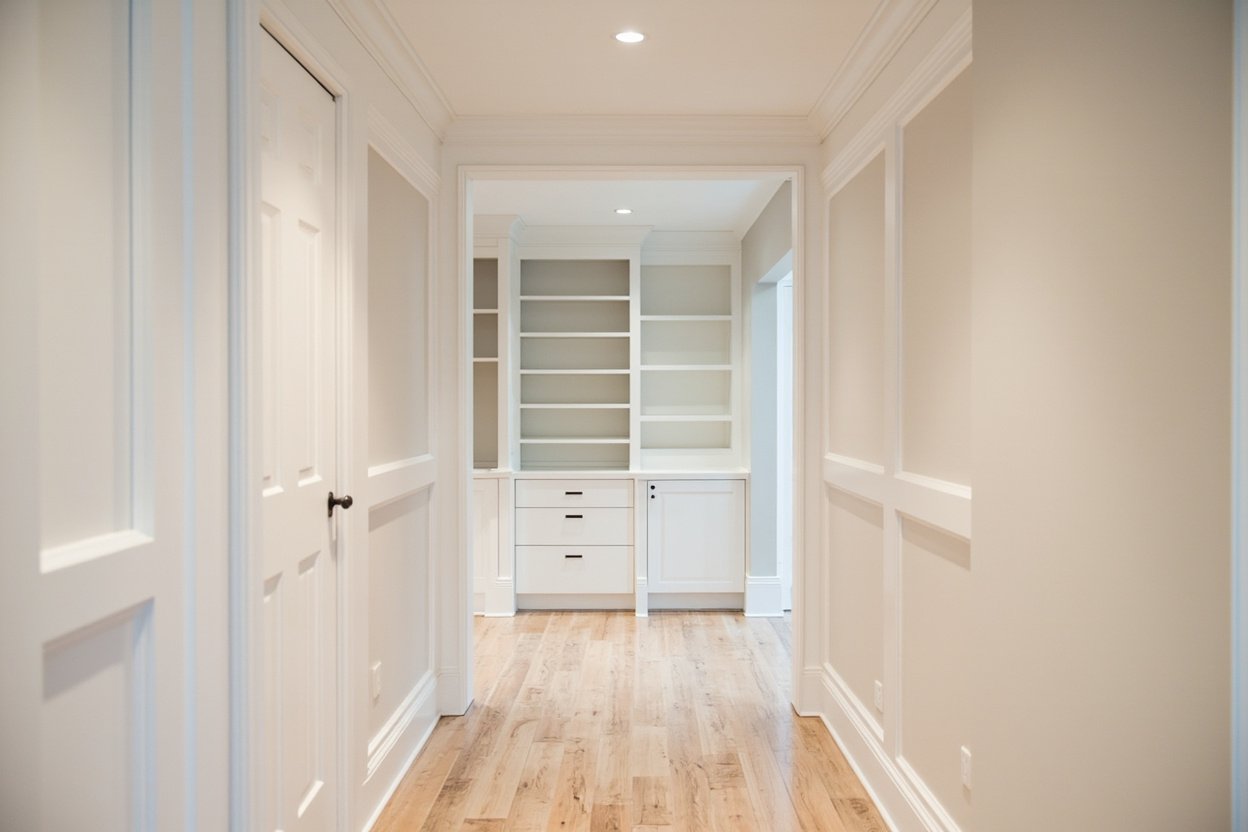
Finishing a basement is different from remodeling an upstairs room, though. Below-grade spaces come with unique challenges—moisture concerns, ceiling height restrictions common in older Boston-area homes, and specific building code requirements that must be met before your space can be legally finished. Understanding these factors upfront helps you plan smarter and avoid surprises during construction.
Why Wellesley Homeowners Are Finishing Their Basements
Wellesley is known for its character-rich homes, from classic Colonials to mid-century builds. Many of these properties have basements that were originally designed for storage or utility use only. As families’ needs evolve—remote work arrangements, multigenerational living, fitness goals—finishing that lower level makes practical and financial sense.
A finished basement can serve many purposes depending on your household. Common projects we complete in the area include:
- Open-concept family rooms for movie nights and game days
- Dedicated home offices with proper lighting and built-in storage
- Home gyms with durable flooring and ventilation considerations
- In-law apartments with their own entrance, bathroom, and kitchenette
- Guest suites for extended family visits
- Custom home theaters with acoustic treatment
Beyond the lifestyle benefits, a well-finished basement can add meaningful value to your home, especially in competitive Greater Boston markets where buyers are looking for flexible living space.
Moisture Management: The Most Important Step for Below-Grade Spaces
Before any framing goes up or drywall is hung, moisture management is the foundation of every successful basement finishing project. Wellesley’s climate means basements experience seasonal humidity fluctuations, and many homes in the area—particularly older ones—may have foundation water infiltration that needs to be addressed first.
A quality basement finishing process begins with a thorough assessment of your foundation walls and floor. We look for signs of water intrusion, efflorescence, or dampness that could compromise your finished space down the road. Addressing these issues might include interior drainage solutions, vapor barrier installation, or targeted dehumidification systems designed for below-grade environments.
Using moisture-resistant materials throughout the build is another critical layer of protection. This means selecting appropriate insulation, treated lumber for framing, and moisture-rated drywall or alternative wall systems that hold up better in variable humidity conditions.
Common Challenges in Boston-Area Basements
Every home is different, but there are several issues we routinely encounter when finishing basements across Wellesley and surrounding communities like Needham, Newton, and Weston.
- Limited ceiling height: Older Boston-area homes often have basement ceilings that sit close to seven feet, which can feel cramped once framing and mechanicals are factored in. We work with homeowners to maximize openness through strategic lighting placement, recessed fixtures, and有时候 suggesting creative ceiling solutions.
- Obstructed layouts: Support posts, pipe stacks, and ductwork can interrupt open floor plans. We design around these elements to create flow while maintaining structural integrity.
- Egress requirements: Massachusetts building codes require proper emergency egress in finished basement living spaces. If your basement doesn’t have adequate exit options, we can discuss adding egress windows or updating basement stairs to meet code and keep your family safe.
- Outdated electrical and plumbing: Many older basements have minimal electrical service or no plumbing rough-in at all. Our team coordinates with licensed electricians and plumbers to bring your space up to current standards, whether that’s adding circuits for a home gym, wiring for recessed lighting, or running lines for a basement bathroom.
What the Basement Finishing Process Looks Like
We believe clear communication and a professional process make all the difference for homeowners. When you work with Basement Finishing of Boston, here’s what you can generally expect:
- Initial consultation: We start with a conversation about your goals, budget, and timeline. No two basements are alike, and we tailor our approach to your specific space and needs.
- Site assessment: We evaluate your basement’s current condition, including moisture levels, structural elements, and any code considerations that will affect the build.
- Design and planning: Our team helps you choose flooring options (popular choices include LVP for durability and tile for bathrooms), wall finishes, lighting layouts, and any add-ons like a wet bar, kitchenette, or home theater features.
- Construction: Framing, insulation, electrical, plumbing, drywall, painting, trim work, and flooring installation are all handled by our coordinated crew. We keep our job sites clean and communicate regularly with you throughout the build.
- Final walkthrough: Before we call the project complete, we walk through the space with you to make sure everything meets your expectations.
Optional Upgrades Worth Considering
While every basement finishing project starts with the basics—framing, insulation, drywall, flooring, and lighting—many homeowners choose to include additional features that make the space more functional and enjoyable:
- Basement bathroom buildout: A half bath or full bath in your basement adds serious convenience, particularly if you’re designing a guest suite or in-law apartment.
- Wet bar or kitchenette: Perfect for entertainment spaces or home theater setups, a compact wet bar with a sink and mini-fridge makes the area more self-sufficient.
- Egress window installation: Required by code for sleeping rooms in finished basements, egress windows also add natural light and ventilation.
- Updated basement stairs: Steep or narrow staircases can be modified for safety and usability, improving access to your new living space.
Is Basement Finishing Right for Your Wellesley Home?
If you’ve been on the fence about finishing your basement, consider this: it’s one of the most cost-effective ways to add livable square footage to your home without the expense and disruption of an addition. A thoughtfully finished basement can give your family the extra room it needs without sacrificing your yard, driveway, or outdoor living areas.
The key is starting with a clear vision, working with a team that understands the specific challenges of below-grade construction in our region, and making smart material choices that stand up to Boston’s climate over time.
Ready to transform your basement? Visit our basement finishing page or call (857) 666-8643 for a Free, no-obligation estimate
When planning your basement finishing wellesley ma, focus on proper scope definition, moisture management, and selecting materials suited for below-grade spaces.