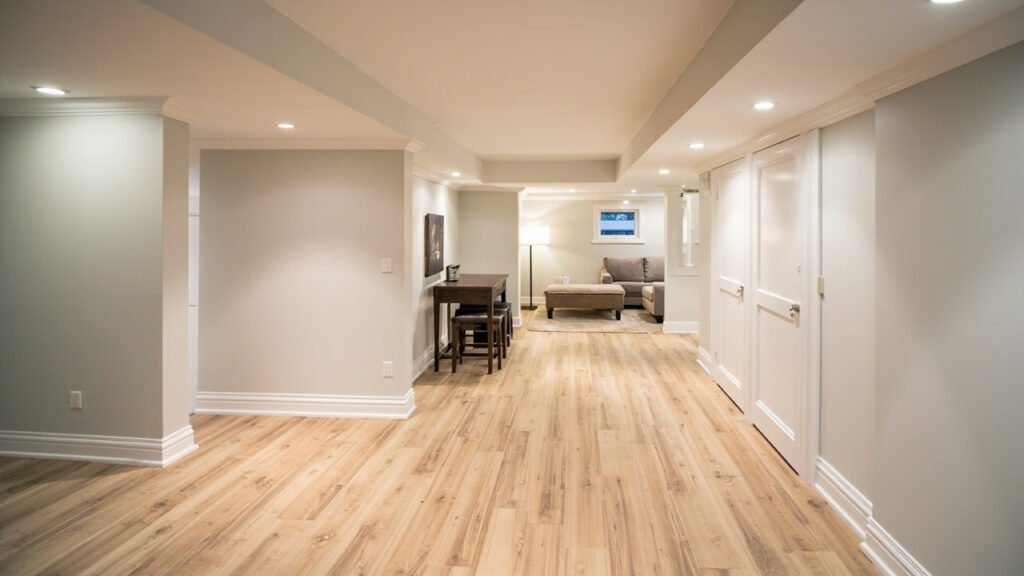
If you have been thinking about finishing your Boston-area basement, you have probably considered how nice it would be to have a bathroom down there. Adding a basement bathroom is one of the most popular basement finishing projects in Greater Boston homes, and for good reason. It adds convenience, increases your home’s value, and can make a finished basement feel like a true extension of your living space.
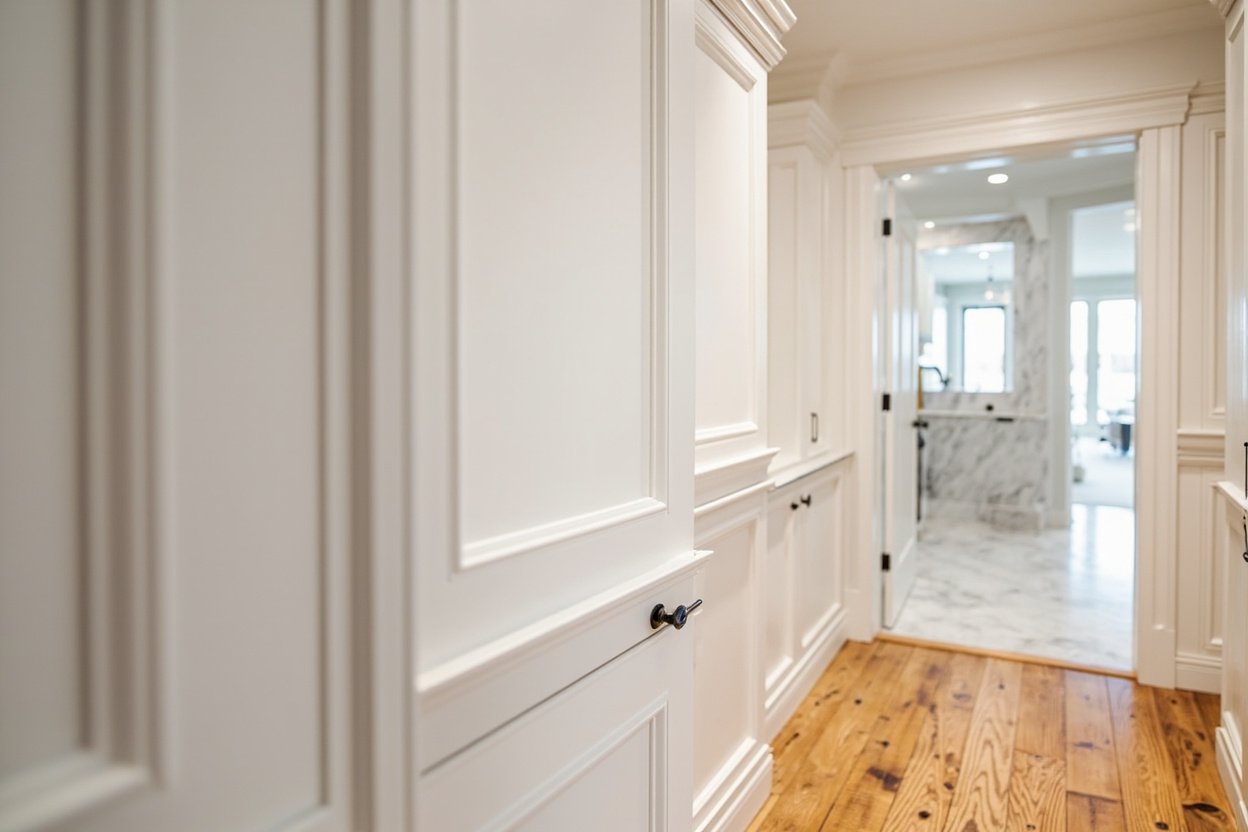
But basement bathrooms are not quite like adding a half-bath on your second floor. There are unique challenges that come with building below grade in the Boston area, from older homes with unconventional foundation layouts to moisture management and strict building codes. Here is what every Boston homeowner should understand before starting a basement bathroom addition project.
Why Boston Homeowners Add Basement Bathrooms
A basement bathroom makes sense for many reasons. If you are finishing your basement to create a guest suite, in-law apartment, or entertainment area, having a bathroom on the same level is essential for comfort and usability. A basement bathroom also comes in handy if you use your basement as a home gym, workshop, or office. Instead of running upstairs every time, you have a convenient fixture right where you need it.
Beyond convenience, a basement bathroom addition in Boston can deliver a solid return on investment. Bathrooms are consistently ranked among the top home improvements for resale value, and a well-built basement bathroom adds square footage to your home without the cost of building above ground.
Key Challenges Unique to Boston Basements
Boston-area homes present some specific challenges that require careful planning. Many homes in Newton, Brookline, Wellesley, and Lexington were built in the early 1900s with fieldstone foundations or tight layouts that make plumbing installation more complex. Basement ceiling heights in older Boston homes can also be lower than modern standards, which affects how you design drainage and ventilation.
Moisture is another major consideration. Basements are naturally prone to humidity and water vapor intrusion, especially in areas like Wayland, Weston, and Braintree where soil conditions can be damp. A basement bathroom generates additional moisture through shower use and humidity, so proper waterproofing, ventilation, and moisture-resistant materials are not optional extras, they are requirements for a successful project.
Understanding Drainage and Plumbing Requirements
One of the biggest differences between a standard bathroom addition and a basement bathroom is drainage. In a typical upstairs bathroom, waste flows downward using gravity. In a basement, your bathroom fixtures may be at or below the level of your main drain line, which means you may need an upflush toilet or an ejector pump system to move waste upward to the sewer connection.
Our team coordinates with licensed plumbers who understand Boston’s municipal plumbing codes and local conditions. During your site visit, we assess your existing drain configuration, water supply lines, and fixture placement to determine the most efficient and code-compliant approach for your specific basement layout.
Egress and Building Code Compliance
Basement bathrooms in Massachusetts require proper ventilation and, in many cases, an egress window or alternate means of egress. If your basement bathroom does not have a door leading directly outside, building codes may require a window that meets egress standards. This is especially important if you are creating a guest suite or in-law apartment in your basement.
Building permit requirements in towns like Quincy, Braintree, Westwood, and Burlington vary, but basement finishing and bathroom additions almost always require permits and inspections. Our process handles the permitting coordination so you do not have to navigate the paperwork alone. We make sure every project meets Massachusetts building codes, including proper ventilation, electrical safety, and structural considerations.
What the Basement Bathroom Process Looks Like
Working with Basement Finishing of Boston means a clear, step-by-step process from concept to completion. Here is a general overview of how a basement bathroom addition typically progresses:
- Initial consultation and site assessment: We evaluate your basement layout, existing plumbing access, ceiling height, and moisture conditions
- Design and planning: We create a layout that works with your basement’s unique dimensions and your vision for the space
- Permit coordination: We handle permit applications and ensure compliance with local building departments
- Framing and mechanical rough-in: Our team frames walls, runs electrical wiring, and works with licensed plumbers on drain and supply lines
- Insulation and moisture barriers: We install proper moisture-aware insulation and vapor barriers specific to below-grade spaces
- Drywall, finishing, and fixtures: We complete the interior finish, install lighting, tiling, and bathroom fixtures
- Final inspection and walkthrough: We verify everything meets code and exceeds quality standards
Throughout the project, you receive clear communication and consistent updates. We keep our job sites clean and organized because we know you are still living in your home during the renovation.
Moisture Management for Your Basement Bathroom
Managing moisture is the single most important factor in making sure your basement bathroom lasts. Poor ventilation and excess humidity lead to mold, musty odors, and damage to walls and flooring over time. Our moisture-aware approach includes:
- High-quality exhaust ventilation systems sized appropriately for bathroom square footage
- Moisture-resistant drywall and cement board in wet areas
- Proper floor and wall waterproofing before finishing
- Sealed plumbing penetrations to prevent vapor intrusion
- Durable, water-resistant flooring options like luxury vinyl tile or ceramic tile
These steps are not upgrades, they are part of our standard specification for any basement bathroom we build. We believe in doing it right the first time so your bathroom stays beautiful and functional for years to come.
Combining a Bathroom with Other Basement Finishing Projects
Many of our Boston-area clients combine a basement bathroom addition with other finishing projects. Common combinations include a full guest suite with private bath, a home theater with a nearby powder room, or a wet bar area adjacent to a full bathroom. Finishing your entire basement at once is often more cost-effective than doing projects in phases, and it allows us to coordinate plumbing, electrical, and layout decisions holistically from the start.
Whether you need a simple half-bath or a full bathroom with a shower, we design the layout to fit your space and your lifestyle. Our team works with you to choose fixtures, finishes, and details that match the overall aesthetic of your finished basement.
Ready to transform your basement? Visit our basement finishing page or call (857) 666-8643 for a Free, no-obligation estimate
If you are in Needham, Newton, Lexington, Wellesley, Brookline, or any of the surrounding Greater Boston communities and want to learn more about adding a basement bathroom, we would love to hear from you. A basement bathroom addition is an investment in your home is comfort, functionality, and value, and we are here to make the process as smooth as possible.
When planning your basement bathroom addition boston, focus on proper scope definition, moisture management, and selecting materials suited for below-grade spaces.