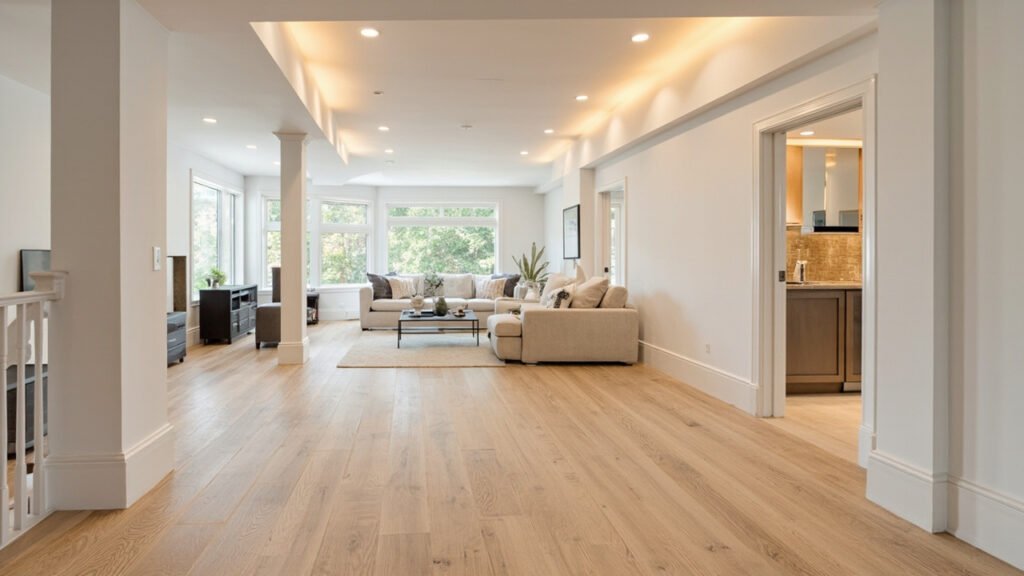
With Boston’s competitive real estate market and growing need for multigenerational living, more homeowners are turning to their unfinished basements as a smart solution. A basement in-law suite in Boston can add valuable living space, provide independence for aging parents or adult children, and increase your property’s appeal. If you’ve been considering this investment, here’s what you should know about the process, challenges, and benefits of basement finishing for an in-law apartment in the Greater Boston area.
Why Boston Homeowners Are Choosing Basement In-Law Suites
Boston’s historic neighborhoods feature beautiful older homes, but those homes often lack the modern living arrangements that families need today. Instead of selling your property or taking on the expense of a home addition, transforming your basement into a fully functional in-law suite offers a practical alternative. Many Greater Boston communities, including Newton, Wellesley, Brookline, and Lexington, have zoning considerations that can accommodate accessory dwelling units, making this option increasingly accessible for homeowners.
An in-law suite in your basement can serve multiple purposes: a private living area for aging relatives, a guest apartment for visiting family members, or even a rental unit to help offset mortgage costs. The flexibility of these spaces makes them a wise long-term investment for your home.
Key Challenges for Basement Finishing in Boston Homes
Older homes in the Boston area often present unique challenges when it comes to basement finishing. Understanding these challenges upfront helps you plan more effectively:
- Ceiling height restrictions: Many historic Boston homes were built with lower basement ceilings. Building codes typically require a minimum ceiling height for habitable spaces, so we assess your basement’s dimensions early in the planning process.
- Moisture management: Below-grade spaces are naturally prone to moisture intrusion. Boston’s climate, with humid summers and cold winters, makes proper moisture control essential for a durable, comfortable in-law suite.
- Egress requirements: Building codes require proper egress windows or doors for basement living spaces. This is a safety requirement that also adds natural light and ventilation to your suite.
- Existing infrastrong> Older homes may have outdated plumbing, electrical systems, or heating that needs upgrading to support a self-contained living unit.
Our Professional Basement Finishing Process
At Basement Finishing of Boston, we’ve developed a streamlined process that takes the stress out of basement remodeling. Here’s how we work with homeowners throughout Greater Boston:
- Initial consultation: We visit your home to assess the space, discuss your vision, and identify any challenges unique to your property.
- Design and planning: We help you plan the layout, including separate entrances, bathroom facilities, kitchenette options, and living areas that meet your family’s needs.
- Demolition and prep: Our team handles all demo work, removing old finishes and preparing the space for new construction.
- Framing and insulation: We build the framework for walls, install proper insulation for energy efficiency, and address any moisture concerns with proven solutions.
- Mechanical work: Our licensed electricians and plumbers handle all trade work, ensuring your in-law suite has proper electrical service, plumbing, and heating.
- Finishing touches: From drywall and painting to flooring installation and trim work, we complete every detail to create a polished, move-in-ready space.
Features to Include in Your In-Law Suite
When planning your basement in-law suite, consider which features will make the space functional and comfortable for its intended residents. Popular additions include:
- Dedicated bathroom: A full or half bath is essential for privacy and independence. We handle all aspects of basement bathroom construction, including plumbing connections and proper ventilation.
- Kitchenette or wet bar: A compact kitchen setup with a sink, mini-fridge space, and microwave area allows for meal preparation without a full kitchen.
- Separate entrance: Many homeowners opt for a private entrance, which provides independence for suite residents and maintains household privacy.
- Climate control: Proper heating and ventilation ensure the space stays comfortable year-round, regardless of Boston’s seasonal temperature swings.
- Lighting solutions: Egress windows bring in natural light, while strategic recessed lighting and fixture placement create a warm, inviting atmosphere.
Moisture Management for Boston Basements
One of the most critical aspects of basement finishing is addressing moisture concerns. Unlike above-ground rooms, basements face constant pressure from groundwater and humidity. Our approach to moisture-aware finishing includes:
- Thorough assessment of your foundation’s current condition
- Installation of proper vapor barriers and drainage solutions
- Use of moisture-resistant materials appropriate for below-grade spaces
- Recommendations for dehumidification systems to maintain air quality
- Insulation solutions that prevent condensation and mold growth
By addressing moisture proactively, we ensure your in-law suite remains comfortable, healthy, and durable for years to come.
Serving Homeowners Throughout Greater Boston
Basement Finishing of Boston, backed by the Sun Shore Construction team, proudly serves homeowners across the Greater Boston area. Whether you’re in Needham, Newton, Wellesley, Lexington, Brookline, Westwood, Weston, Acton, Natick, Wayland, Bedford, Burlington, Quincy, Braintree, or surrounding communities, we’re ready to help you transform your basement into a beautiful, functional in-law suite.
Ready to transform your basement? Visit our basement finishing page or call (857) 666-8643 for a Free, no-obligation estimate
When planning your basement in-law suite boston, focus on proper scope definition, moisture management, and selecting materials suited for below-grade spaces.