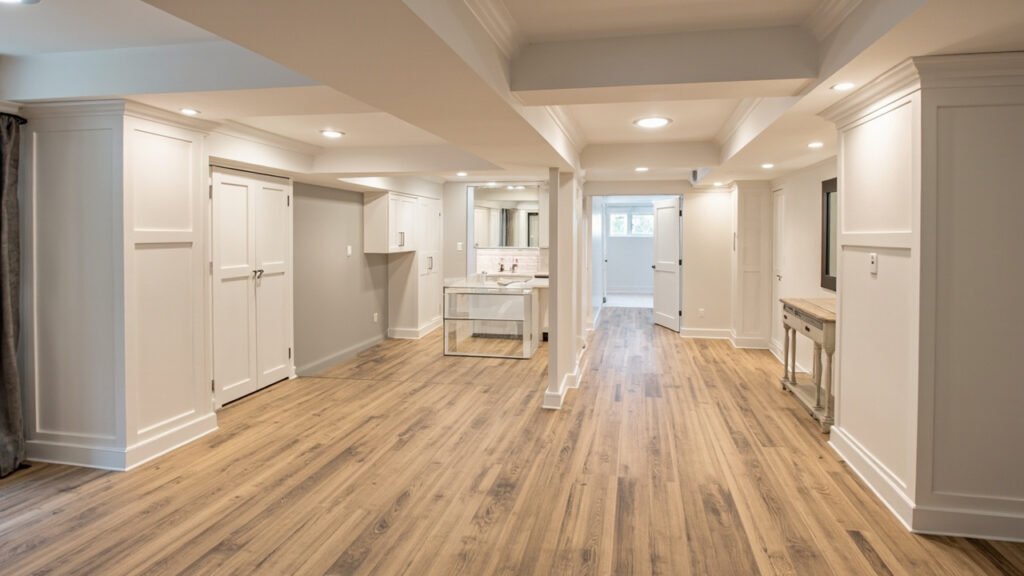
Weston homeowners increasingly recognize their basements as valuable square footage waiting to be unlocked. A finished basement transforms dark, underutilized space into a comfortable living area that works for your family’s lifestyle. Whether you envision a home theater, guest suite, home gym, or in-law apartment, basement finishing requires careful planning—particularly in the Greater Boston area where older homes and unique site conditions demand expert attention.
Why Finished Basements in Weston Are a Smart Investment
Weston properties benefit significantly from professionally finished basements. The additional living space increases your home’s usable square footage without the cost of a full addition. Common basement finishing projects in the area include:
- Family rooms and entertainment spaces
- Private home offices and study areas
- Home gyms and wellness rooms
- Guest suites for visiting family
- In-law apartments with kitchenettes
- Home theaters with proper acoustics
Understanding the Boston Area Basement Challenge
Weston and surrounding Greater Boston communities feature many homes built in the early to mid-20th century. These older properties present specific challenges for basement finishing that require experienced contractors who understand local conditions.
Moisture management ranks among the most critical considerations. Below-grade spaces naturally face moisture intrusion through foundation walls and floors. Professional basement finishing addresses this through proper insulation, vapor barriers, and drainage solutions that prevent the damp, musty conditions many homeowners associate with basements.
Ceiling height presents another common challenge. Many older Boston-area homes have basement ceilings lower than modern building codes recommend for finished living spaces. A skilled contractor can work with your specific measurements to maximize usable height while meeting code requirements.
The Basement Finishing Process: What to Expect
Professional basement finishing follows a systematic approach that protects your investment and ensures lasting results.
- Initial assessment: Evaluation of existing conditions, moisture levels, structural elements, and ceiling height
- Design consultation: Discussion of your vision, functional needs, and budget parameters
- Permit coordination: Handling necessary permits for electrical, plumbing, and structural work
- Framing and insulation: Creating the structural framework with proper insulation for energy efficiency
- Mechanical rough-in: Electrical, plumbing, and HVAC work completed before walls close
- Drywall and finishing: Professional taping, texturing, and painting
- Flooring installation: LVP, tile, or other moisture-resistant flooring options
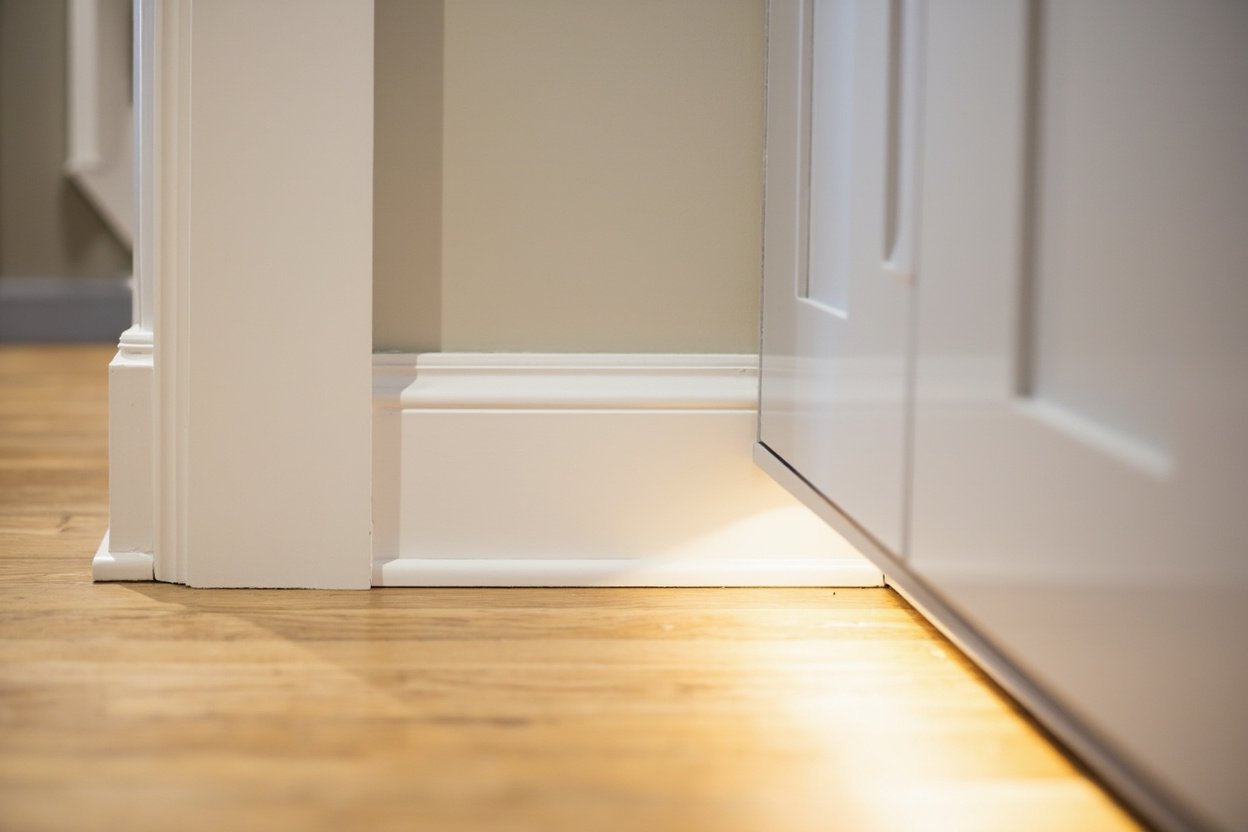
- Trim and lighting: Final details that complete the space
Important Code Requirements for Finished Basements in Massachusetts
Building codes in Weston and throughout Massachusetts include specific requirements for basement finishing that protect homeowner safety.
Egress requirements mandate that any basement bedroom or living space must have a proper exit route. This typically involves egress windows that meet minimum dimensions or a separate exterior entrance. If your finished basement plans include sleeping areas, egress window installation becomes essential.
Electrical work must comply with current codes, including AFCI protection in living spaces and GFCI protection near water sources. Working with a contractor who employs licensed electricians and plumbers ensures all trade work meets Massachusetts standards.
Ventilation requirements also apply to finished basements, particularly if bathroom or kitchen facilities are included. Proper ventilation prevents moisture buildup that can lead to mold and structural issues over time.
Popular Basement Finishing Options for Greater Boston Homes
Today’s homeowners approach basement finishing with diverse goals. Understanding common project types helps you clarify your own priorities.
- Basement bathrooms: Add convenience and functionality, particularly valuable for guest suites and family entertainment areas
- Wet bars and kitchenettes: Perfect for home theaters, game rooms, or in-law apartments
- Stair updates: Improve access and safety with updated basement stairs
- Home office conversions: Create productive workspaces with proper lighting and sound separation
- Multi-use spaces: Combine gym equipment, storage, and living areas strategically
Choosing the Right Basement Finishing Contractor in Weston
Successful basement finishing requires more than general remodeling experience. The unique challenges of below-grade construction demand a contractor who specializes in basement work and understands local conditions throughout Greater Boston.
Look for contractors who demonstrate clear communication throughout the project, maintain clean job sites during construction, and provide detailed project scope before work begins. Professional basement finishing companies should offer transparent pricing, defined timelines, and consistent point-of-contact throughout your project.
Basement Finishing of Boston brings specialized expertise to every project. Our team understands the specific challenges of finishing basements in Weston, Needham, Newton, Lexington, Wellesley, and throughout Greater Boston. We employ licensed electricians and plumbers, manage permits proactively, and focus on moisture-aware construction techniques that protect your investment.
Start Your Weston Basement Finishing Project
Your basement represents untapped potential waiting to become functional living space. Whether you need a quiet home office, an entertainment area for family gatherings, or a comfortable guest suite, professional basement finishing delivers lasting value.
Ready to transform your basement? Visit our basement finishing page or call (857) 666-8643 for a Free, no-obligation estimate
When planning your finished basements weston ma, focus on proper scope definition, moisture management, and selecting materials suited for below-grade spaces.