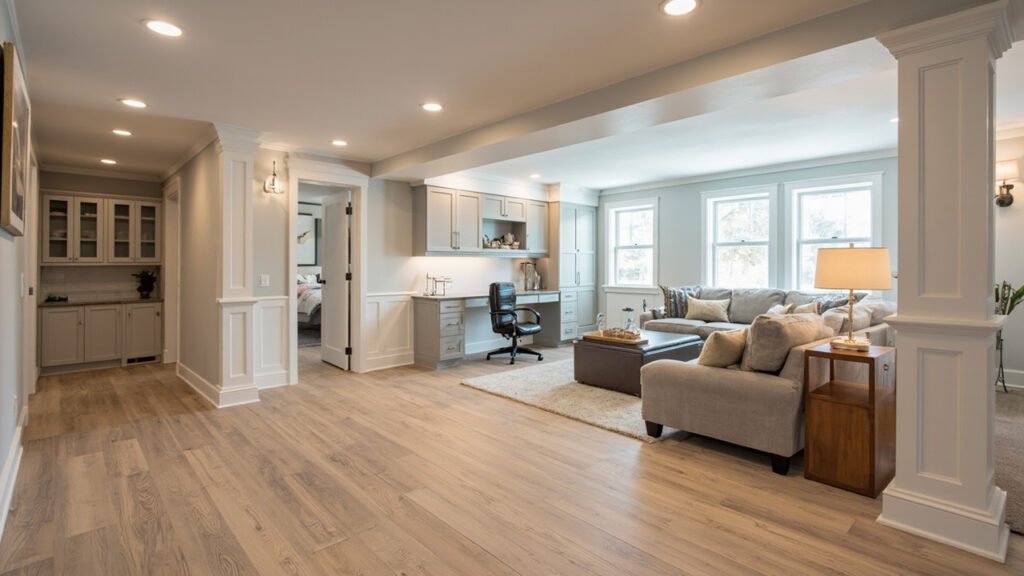
Your basement holds incredible potential that most Quincy homeowners overlook. Whether you’re dreaming of a cozy family room where the kids can play, a productive home office, or a private guest suite for visiting family, your below-grade space can be transformed into some of the most valuable square footage in your home. If you’ve been searching for basement remodeling in Quincy MA, this guide will walk you through everything you need to know to turn that unfinished space into a room your family will use every day.
Why Quincy Homeowners Are Investing in Basement Remodeling
The Greater Boston housing market is competitive, and homeowners are increasingly looking for ways to maximize their existing properties rather than relocate. Basement finishing offers one of the best returns on investment for several reasons. First, you’re adding livable square footage without the cost of building above. Second, a well-finished basement makes your home more attractive to future buyers. Third, and perhaps most importantly, you’re gaining functional living space without expanding your home’s footprint or changing its character—especially important in historic Quincy neighborhoods where preserving your home’s exterior appearance matters.
Beyond financial considerations, basement remodeling in Quincy MA addresses a very practical need. Many families find their current space feels cramped as children grow, hobbies multiply, or work-from-home arrangements become permanent. A finished basement gives everyone room to spread out without sacrificing the charm of your Quincy home.
Understanding the Unique Challenges of Boston-Area Basements
Before diving into basement remodeling in Quincy MA, it’s important to understand the unique characteristics of basements in our region. Older homes throughout Quincy, Braintree, and surrounding communities often have basements with low ceiling heights, which can complicate finishing plans. Many also have moisture issues that require careful attention before any finishing work begins. Building codes in Massachusetts also have specific requirements for egress—meaning any habitable basement space typically needs a proper exit window or door for safety. Working with a contractor who understands these local considerations makes a significant difference in project success.
Some of the most common challenges our team addresses include:
- Ceiling height limitations: Many Quincy homes built in the early-to-mid 20th century have basement ceilings that don’t meet current code requirements for habitable space. We can help you explore options, from creative layouts that work around low spots to strategic ceiling treatments that maximize headroom.
- Moisture and humidity: The New England climate means basements here face unique moisture challenges. Proper waterproofing, vapor barriers, and dehumidification systems are essential investments that protect your finished space for years to come.
- Egress requirements: Massachusetts building codes require any finished basement bedroom or living area to have a proper emergency exit. This often means installing egress windows or doors, which adds to the project scope but ensures safety and code compliance.
Our Professional Basement Remodeling Process
When you choose Basement Finishing of Boston for your Quincy area project, you’re choosing a team that specializes exclusively in below-grade spaces. This focus means we understand the specific challenges and solutions better than general contractors who occasionally tackle basements.
Our process begins with a thorough on-site consultation where we assess your current basement conditions and discuss your vision. We examine structural elements, moisture conditions, existing mechanical systems, and identify any code compliance issues. From there, we develop a detailed scope of work that clearly outlines every aspect of your project.
The construction phase follows a logical sequence:
- Demolition and preparation of existing space
- Structural modifications and framing
- Insulation installation (critical for moisture control and energy efficiency)
- Electrical work by our licensed electricians
- Plumbing installation by our licensed plumbers (for bathrooms, bars, or other water features)
- Drywall installation and finishing
- Flooring (LVP, tile, or other moisture-resistant options)
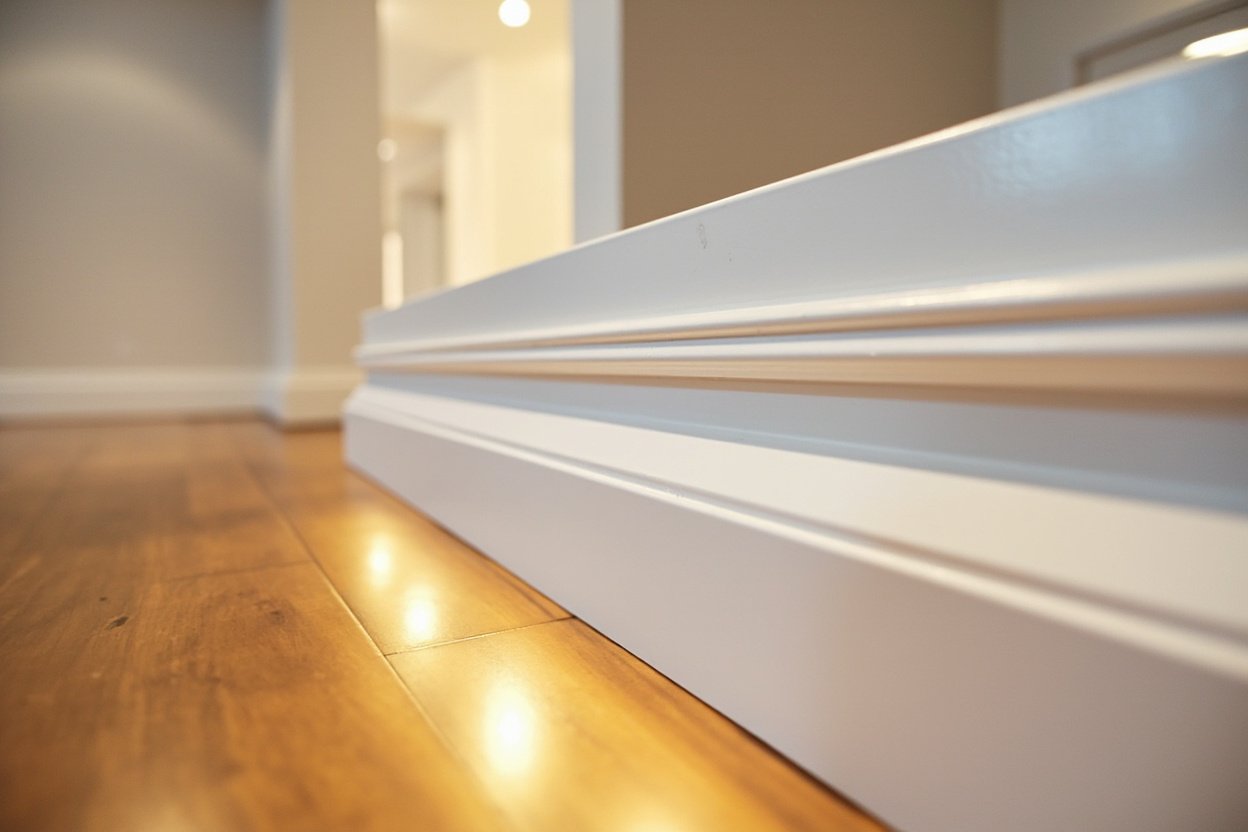
- Painting, trim work, and lighting installation
- Final inspection and walkthrough
Throughout the process, we maintain clear communication, clean work sites, and a commitment to finishing on schedule. We understand that having contractors in your home is disruptive, and we work to minimize that impact while delivering exceptional results.
Popular Basement Finishing Projects in Greater Boston
Homeowners throughout the Quincy area and greater Boston region pursue basement finishing for many different reasons. Understanding what other homeowners have created can help you clarify your own vision.
Some of the most popular projects include:
- Family rooms: The most common request, these versatile spaces become the heart of family life—from movie nights to game days to homework sessions.
- Home offices: With remote work becoming permanent for many families, a dedicated basement office provides quiet separation from household distractions.
- Home gyms: Skip the gym membership and enjoy workout convenience at home. Basements offer excellent spaces for exercise equipment and don’t disturb the rest of the household.
- Guest suites: Whether for visiting relatives or adult children home for a visit, a guest suite with bedroom and sitting area provides comfortable hospitality.
- In-law apartments: For multigenerational households, a basement apartment with its own entrance, bathroom, and basic kitchen facilities offers independence while keeping family close.
- Home theaters: Create an entertainment space that’s far better than anything at a commercial cinema, complete with proper acoustics and seating.
We also handle specific finishing elements like basement bathrooms, wet bars or kitchenettes, and egress window installations that complete your vision.
What to Consider Before Starting Your Basement Remodeling Project
If you’re exploring basement remodeling in Quincy MA, a little preparation goes a long way toward a successful project. Before your first meeting with a contractor, consider these important questions:
What’s the current condition of your basement? Significant moisture problems or structural issues may need to be addressed before finishing can proceed. A good contractor will identify these issues during the assessment phase.
How do you want to use the space? Think about your family’s needs both now and in the coming years. A basement that serves as a playroom today might become a teen hangout space tomorrow.
Do you need plumbing access? Adding a basement bathroom or wet bar requires more planning but dramatically increases functionality. Our licensed plumbers can advise on what’s feasible in your space.
What are your ceiling height constraints? Measure the height of your basement and discuss realistic options with your contractor. Some finishes work better in lower ceilings than others.
What lighting level do you need? Basements typically have limited natural light. Plan for adequate artificial lighting that makes the space feel warm and inviting rather than cave-like.
Ready to transform your basement? Visit our basement finishing page or call (857) 666-8643 for a Free, no-obligation estimate
Basement Finishing of Boston brings dedicated expertise to homeowners in Quincy, Braintree, and throughout Greater Boston. Our team understands the unique challenges of finishing below-grade spaces in New England, from managing moisture in older Quincy homes to navigating the specific requirements of historic properties throughout the region. We guide every project with transparent communication, professional craftsmanship, and a genuine commitment to transforming your vision into functional living space you’ll enjoy for years to come.
When planning your basement remodeling quincy ma, focus on proper scope definition, moisture management, and selecting materials suited for below-grade spaces.