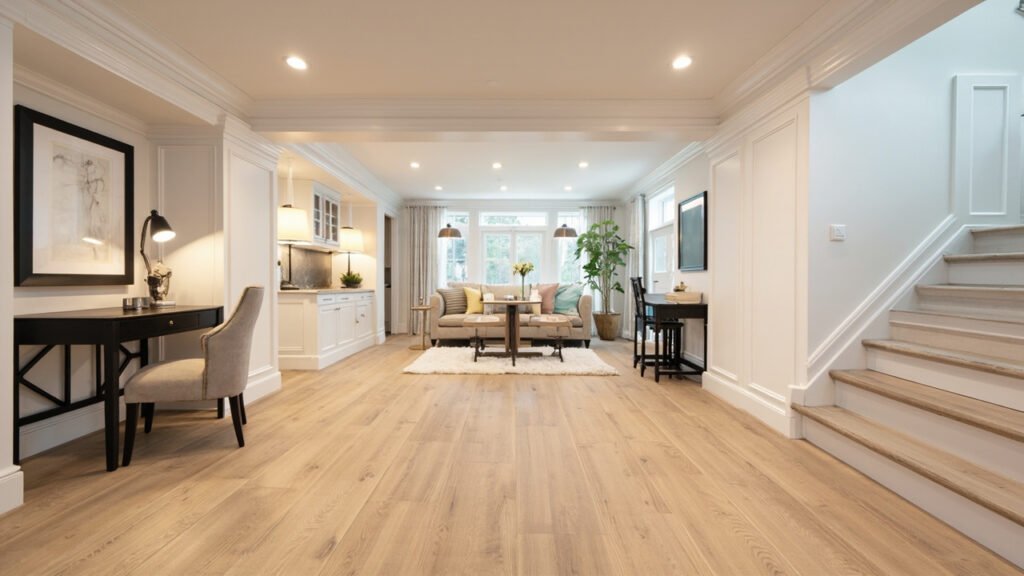
More homeowners across Greater Boston are discovering an unexpected advantage hidden beneath their feet. That underutilized basement space holds incredible potential for becoming a dedicated home office—one that separates work from living areas, boosts productivity, and adds real value to your home. Whether you have been working at the kitchen table for months or simply need a quiet place to focus, basement finishing offers a practical solution tailored to the unique challenges of below-grade spaces in New England.
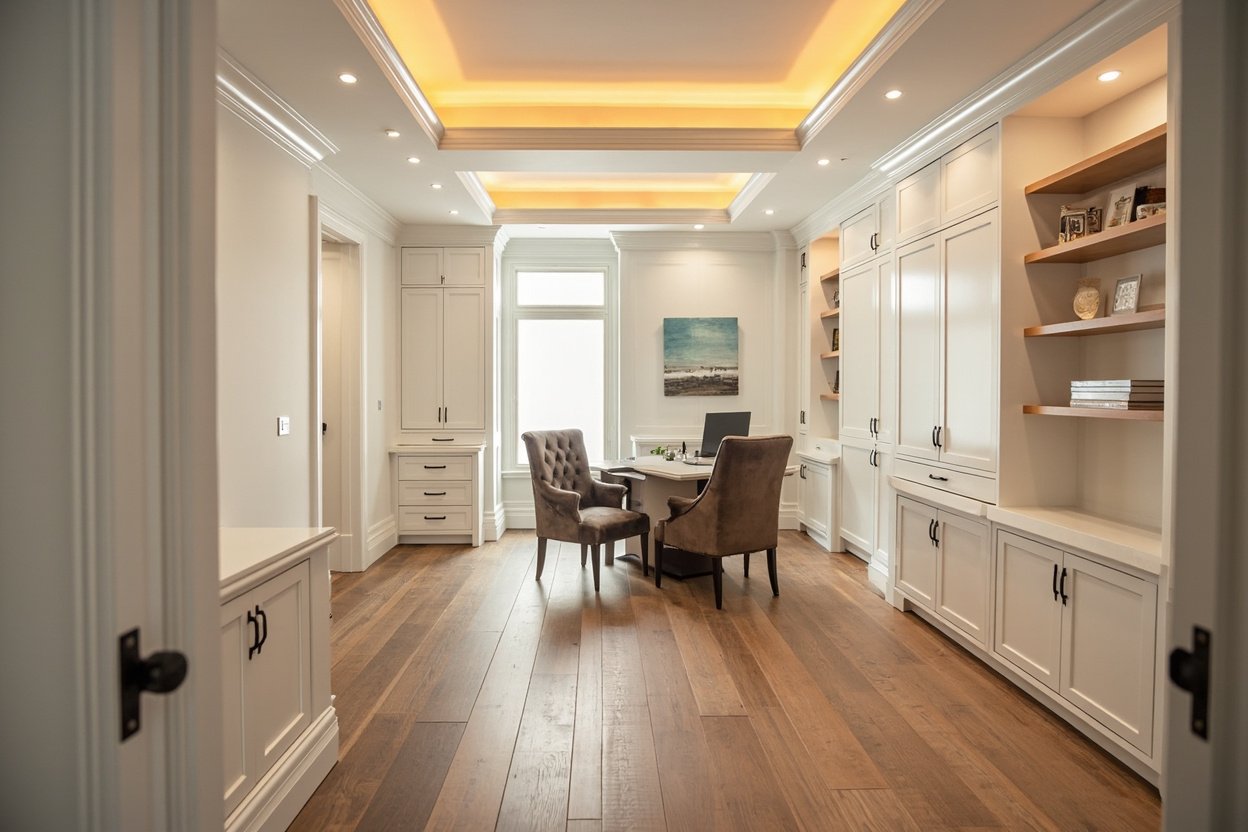
Why Consider a Basement Home Office?
First floor and second floor rooms often come at a premium in Boston-area homes, especially in historic colonials and capes throughout Newton, Lexington, and Wellesley. Carving out office space from existing living areas can feel disruptive. A finished basement gives you an entirely separate zone for work, complete with its own lighting, climate control, and acoustic separation from the rest of the household.
Beyond convenience, a dedicated workspace can improve focus, support better work-life boundaries, and even increase your home’s resale appeal. Buyers increasingly value having a private office or flex space, and a professionally finished basement office checks that box without sacrificing bedrooms or living rooms.
Planning Your Basement Office Layout
Before breaking ground, think carefully about how you will use the space. A few practical questions to consider:
- Will you need a dedicated entrance or prefer access through the main house?
- Do you require a bathroom or kitchenette nearby?
- How much natural light can you realistically expect from below-grade windows?
- What furniture arrangement supports your daily workflow?
For smaller basements in Brookline or Westwood row houses, an open layout with a compact desk along one wall and smart storage solutions often works best. Larger basements in Weston or Wellesley can accommodate separate zones—a primary desk area, a reading nook, and even a small meeting corner.
Addressing the Unique Challenges of Boston Basements
Basements in Greater Boston present specific considerations that differ from above-ground renovations. Older homes throughout Lexington, Bedford, and Acton frequently have lower ceiling heights, uneven floors, and moisture concerns that require thoughtful planning.
Ceiling Height Solutions
If your basement ceiling feels low, do not assume a finished office is off the table. Modern drop ceiling systems with slim-profile tiles, recessed lighting, and open joist designs with strategic lighting can create a surprisingly spacious feel. Our team carefully measures and plans ceiling solutions to maximize headroom while meeting code requirements.
Moisture Management
Below-grade spaces naturally face higher humidity and the risk of moisture intrusion, particularly after New England winters and rainy springs. Professional basement finishing goes beyond surface aesthetics. We install proper vapor barriers, select moisture-resistant insulation, and recommend durable flooring options like luxury vinyl plank that perform better than hardwood in below-grade conditions. This moisture-aware approach protects your investment and supports healthier indoor air.
Egress and Window Requirements
Building codes in Massachusetts require egress windows for living spaces in basements. If your current basement lacks adequate escape routes, we can coordinate egress window installation as part of your finishing project. These windows also double as a valuable source of natural light, helping your office feel less like a dungeon and more like a functional workspace. Well placement and window wells can make a surprising difference in rooms throughout Wayland, Natick, and Burlington homes.
Popular Features for Basement Home Offices
When designing your basement office, consider which features genuinely support your work style. Here are elements our clients in Greater Boston consistently request:
- Dedicated electrical circuits and USB outlets—avoid the frustration of tripping breakers when you run a computer, monitor, and printer simultaneously
- Structured wiring and strong Wi-Fi coverage—a hardwired connection eliminates dead zones common in finished basements
- Sound-dampening insulation in walls and ceilings—critical if you take frequent video calls or share the home with family members
- Custom shelving and built-in storage—keep papers, equipment, and supplies organized without cluttering your desk
- Task lighting and ambient options—layered lighting reduces eye strain during long work sessions
Some homeowners also choose to add a small basement bathroom for convenience, particularly if the office doubles as a workspace for multiple family members. Our licensed plumbers handle those additions seamlessly as part of a full basement finishing project.
Finishing Materials That Work in Below-Grade Spaces
Material selection matters more in basements than almost anywhere else in the home. We guide Greater Boston homeowners through choosing finishes that look great and stand up to basement conditions:
- Flooring: Luxury vinyl plank and ceramic tile resist moisture and wear better than hardwood or carpet in below-grade environments
- Walls: Mold-resistant drywall and appropriate insulation create a dry, comfortable environment
- Trim and doors: Moisture-stable trim materials prevent the warping and cracking that often affects basements
Bringing It All Together
Transforming your basement into a home office is one of the most practical renovation investments you can make. It adds functional square footage without altering your home’s footprint, creates a professional boundary between work and home life, and positions your property competitively in the Greater Boston real estate market.
Our team at Basement Finishing of Boston handles every phase of the process—framing, insulation, drywall, flooring, painting, trim, lighting, and electrical. We coordinate with licensed electricians and plumbers to ensure all trade work meets Massachusetts building codes and passes inspection. The result is a clean, professionally finished space you can enjoy for years to come.
Ready to transform your basement? Visit our basement finishing page or call (857) 666-8643 for a Free, no-obligation estimate
When planning your basement home office ideas, focus on proper scope definition, moisture management, and selecting materials suited for below-grade spaces.