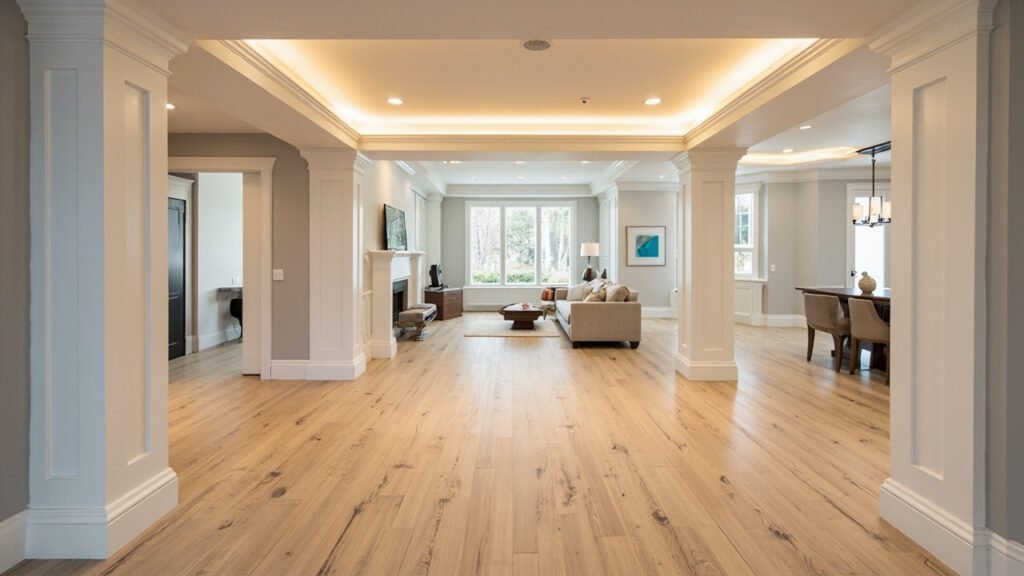
Working from home has become a permanent reality for many Greater Boston homeowners, and finding the right space for concentration and productivity is essential. If your main floors feel crowded or your current workspace lacks the privacy you need, consider the untapped potential of your basement. With professional basement finishing, you can create a dedicated home office that is quiet, comfortable, and tailored to how you work.
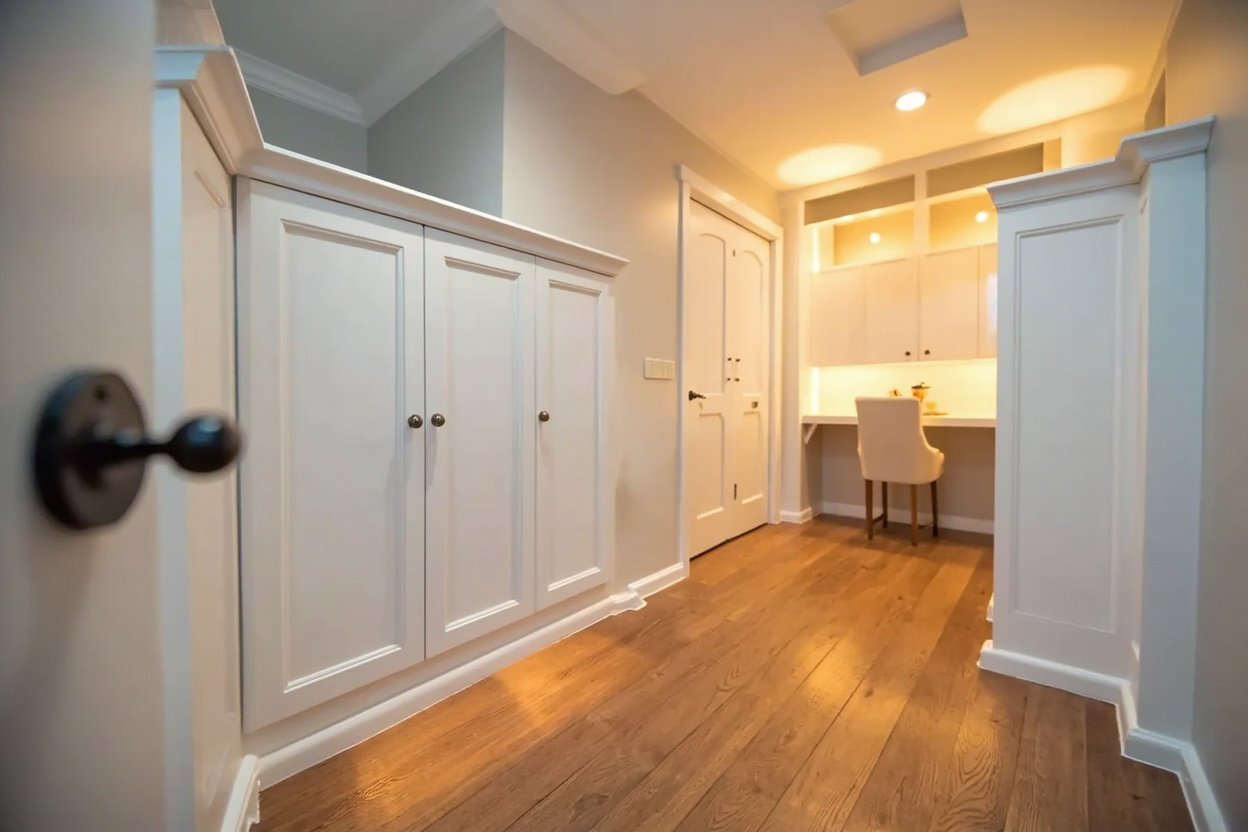
Why Basements Make Excellent Home Offices
Basements offer natural separation from the rest of your home, making it easier to establish boundaries between work and family life. A basement office keeps noise and distractions away from living areas while giving you a professional environment that feels separate from domestic chaos. For homeowners in communities like Newton, Lexington, and Wellesley where home values are high, adding a finished basement office is a smart investment in both your quality of life and your property value.
Key Considerations for Boston Area Basements
Before designing your basement home office, several Boston-specific factors require attention. Many homes in Greater Boston were built in the early to mid-20th century, meaning their basements often have lower ceiling heights than modern codes recommend. Your finishing contractor will need to work within these constraints while maximizing headroom.
Moisture management is critical for below-grade spaces in our climate. New England weather brings humidity in summer and frozen ground in winter, both of which can affect basement conditions. Proper insulation, vapor barriers, and potentially dehumidification systems will protect your office furniture, electronics, and documents from moisture damage.
Essential Features for Your Basement Office
When planning your basement home office, certain features are non-negotiable for creating a functional workspace:
- Dedicated electrical circuits: Your office needs sufficient power for computers, monitors, printers, and charging stations without overloading shared circuits
- Reliable internet connectivity: Wired ethernet connections provide more stable speeds than WiFi alone, essential for video calls and file transfers
- Proper HVAC zoning: Basements can be colder in winter and warmer in summer; dedicated climate control keeps your space comfortable year-round
- Sound insulation: Acoustic panels and solid-core doors help block noise from upstairs family activities
- Adequate storage: Custom built-ins keep your office organized without cluttering valuable floor space
Lighting Solutions for Below-Grade Spaces
Natural light is often limited in basements, making thoughtful artificial lighting essential for productivity and wellbeing. A layered approach works best:
- Ambient lighting: Recessed LED can lights or linear LED strips provide even overall illumination for daily tasks
- Task lighting: Adjustable desk lamps or under-cabinet lighting reduce eye strain when reading or detailed work
- Accent lighting: Wall sconces or LED tape highlights add visual interest and make the space feel more inviting
If your basement has windows or the potential for egress windows, maximize natural light with light-colored walls, mirrors, and glass doors. Egress windows also satisfy safety requirements while brightening your workspace considerably.
Design and Layout Ideas
Your basement office layout should reflect how you actually work. Consider these popular configurations:
- The focused solo office: A single dedicated workspace with minimal distractions, ideal for concentrated tasks and client calls
- The hybrid family hub: Multiple workstations accommodate remote workers and students, with shared printing and storage areas
- The executive suite: Complete with a private entrance, small meeting area, and wet bar for client hospitality
- The wellness workspace: Incorporates natural elements, standing desk options, and easy access to a basement bathroom for mid-day breaks
Even in smaller basements, thoughtful space planning can include a comfortable reading corner, shelving for reference materials, and room for occasional in-person meetings when needed.
The Professional Finishing Process
Transforming your basement into a home office requires more than fresh paint and new furniture. Professional basement finishing involves framing walls to code, installing proper insulation rated for below-grade conditions, addressing any existing moisture issues, and finishing with durable materials designed to last. Your contractor coordinates licensed electricians for outlets and data lines, and plumbers if you are adding a basement bathroom or kitchenette.
Basement finishing specialists understand how to work with your home is existing structure, whether you have a poured concrete foundation common in newer Brookline and Westwood homes or fieldstone foundations found in historic Wellesley and Lexington properties. We manage the entire project from initial demo through final trim work, keeping communication clear and job sites clean throughout.
Ready to Create Your Basement Home Office?
Every basement presents unique opportunities and challenges. A professional consultation helps you understand what is possible within your specific space, budget, and timeline. We walk through your basement, discuss your work needs and design preferences, and explain exactly what the finishing process entails for your home.
Ready to transform your basement? Visit our basement finishing page or call (857) 666-8643 for a Free, no-obligation estimate
When planning your basement home office ideas, focus on proper scope definition, moisture management, and selecting materials suited for below-grade spaces.