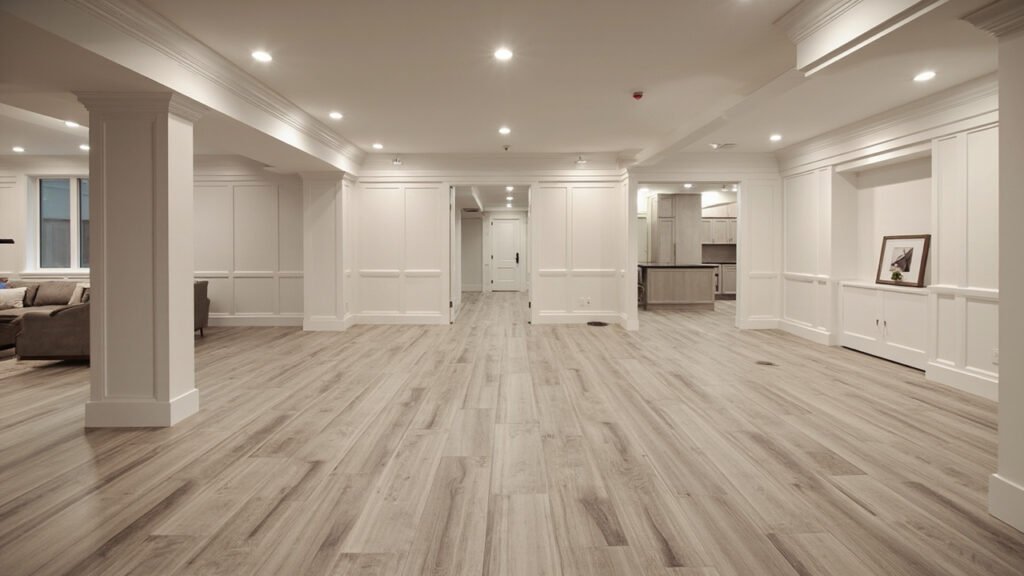
With remote and hybrid work becoming the norm, many Greater Boston homeowners are discovering the untapped potential of their basements. A well-designed basement home office offers privacy, separation from household distractions, and the flexibility to create a workspace tailored to your exact needs. At Basement Finishing of Boston, we specialize in transforming below-grade spaces into beautiful, functional living areas—home offices included.
Why Choose Your Basement for a Home Office?
Basements offer distinct advantages when creating a home office. The separation from main living areas helps establish clear work-life boundaries, while the below-grade location naturally buffers sound—ideal for important client calls or focused deep work. For families in Newton, Lexington, or Wellesley, a basement office means the kitchen chaos stays in the kitchen, and work stays contained in its own dedicated zone.
Boston’s older housing stock often means smaller upstairs bedrooms or shared spaces. Your basement provides square footage that might otherwise go unused, giving you a professional workspace without sacrificing your home’s living areas.
Key Considerations Before You Begin
Every basement presents unique challenges that require thoughtful planning. Before diving into design ideas, address these fundamentals:
- Ceiling Height: Many Greater Boston homes built in the early-to-mid 20th century have basement ceilings below modern code requirements. Standard finished ceiling height needs at least 7 feet, though some grandfathered spaces may allow flexibility. We assess your specific situation and can suggest creative solutions like dropped focal ceilings or strategic soffits.
- Moisture and Humidity: Below-grade spaces naturally accumulate moisture, especially in New England’s variable climate. Proper moisture management isn’t optional—it’s essential for protecting your electronics, documents, and health. We recommend continuous dehumidification systems, proper insulation, and vapor barriers as standard practice.
- Egress Requirements: Massachusetts building codes require egress windows or alternative escape routes for any habitable basement space. This isn’t just a legal requirement—it’s a safety feature that adds value to your home. We handle egress window installations as part of our comprehensive finishing services.
Layout Ideas That Maximize Your Space
Basement offices work best when the layout matches your work style. Consider these popular configurations:
- The Command Center: A single, well-organized desk zone positioned facing the wall (avoiding background distractions during video calls) with built-in shelving above and file storage below. Ideal for focused, solitary work.
- Zoned Workspace: Separate areas for computer work, reading/reference materials, and meetings. Works well if your job involves multiple task types throughout the day.
- The Executive Suite: For those who need to impress on screen, a setup with a grand desk, bookcase backdrop, and dedicated accent lighting creates a polished professional appearance.
- Hybrid Function: Combine your office with occasional guest accommodations or a small lounge area for decompression during lunch breaks.
Lighting Solutions for Productivity
Natural light is precious in basements, but thoughtful lighting design makes all the difference. We recommend a layered approach:
- Ambient Lighting: Recessed LED cans provide even, overall illumination without taking up ceiling space. Many homeowners in Brookline and Westwood appreciate our dimmable options for adjusting brightness throughout the day.
- Task Lighting: Under-cabinet lights or desk lamps focused on work surfaces reduce eye strain during long typing sessions.
- Accent Lighting: Wall sconces or backlit shelving add visual interest and can create a more inspiring atmosphere during creative work.
Full-spectrum LED bulbs closely mimic natural daylight, helping maintain your circadian rhythm even in a below-grade space. This attention to lighting detail separates a professional basement office from a makeshift setup.
Finishing Touches That Elevate Your Office
The right finishes transform a functional space into somewhere you genuinely want to work. Consider these elements:
Flooring: Luxury vinyl plank (LVP) flooring handles potential moisture issues while providing a warm, professional appearance. It’s durable, easy to clean, and comes in styles ranging from modern gray oak to classic hardwood looks.
Walls: Moisture-resistant drywall (often called green board, though we use superior products) prevents mold and mildew issues common in Boston basements. A fresh coat of light paint visually expands the space.
Ceiling Solutions: Dropped ceilings with acoustic tiles allow easy access to wiring while absorbing sound. Alternatively, exposed joists with modern lighting create an industrial-chic aesthetic popular in renovated Needham and Acton homes.
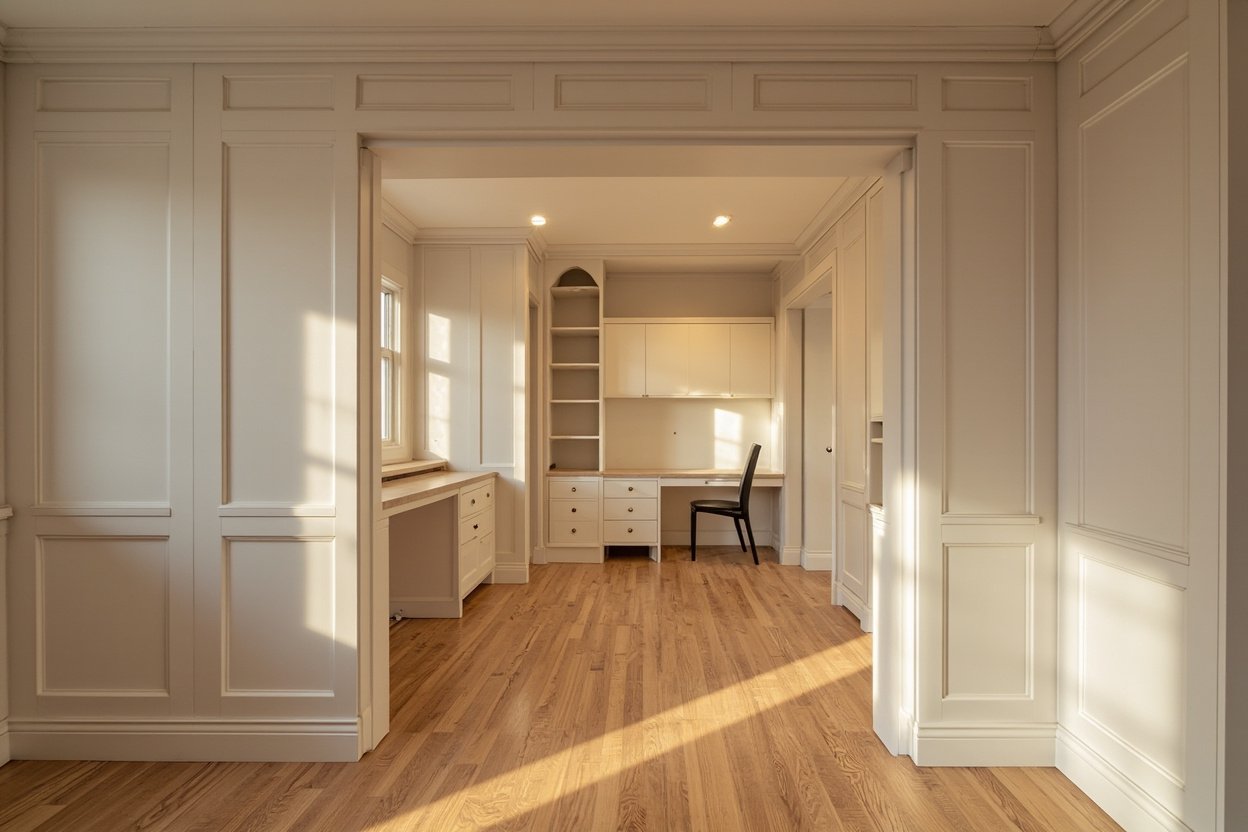
Storage: Built-in cabinets and shelving keep clutter off your desk and maintain that professional appearance during video conferences. Custom millwork integrates seamlessly with your overall design.
Adding Value Beyond the Office
Many homeowners discover their basement offices become favorite spaces. Consider planning for future flexibility: a wet bar corner could host client presentations, a basement bathroom buildout means never running upstairs during important calls, and a comfortable seating area provides space for decompression after a long workday.
These additions aren’t just conveniences—they’re investments in your home’s overall value. A well-finished basement with a dedicated home office appeals to future buyers seeking that work-from-home capability.
Ready to transform your basement? Visit our basement finishing page or call (857) 666-8643 for a Free, no-obligation estimate
When planning your basement home office ideas, focus on proper scope definition, moisture management, and selecting materials suited for below-grade spaces.