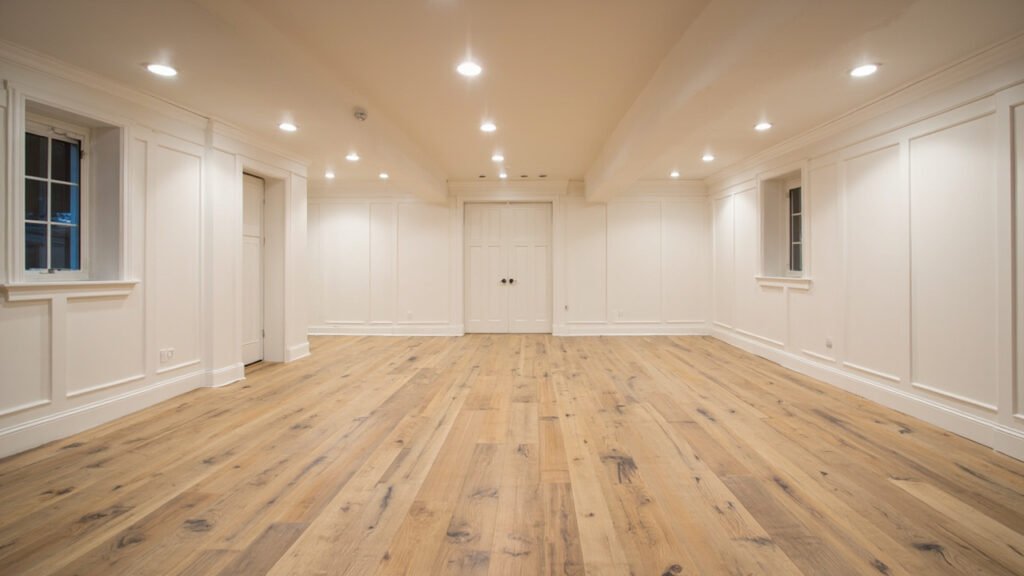
Planning a basement project? If you’re researching basement finishing boston, this guide covers important considerations for Greater Boston homeowners.
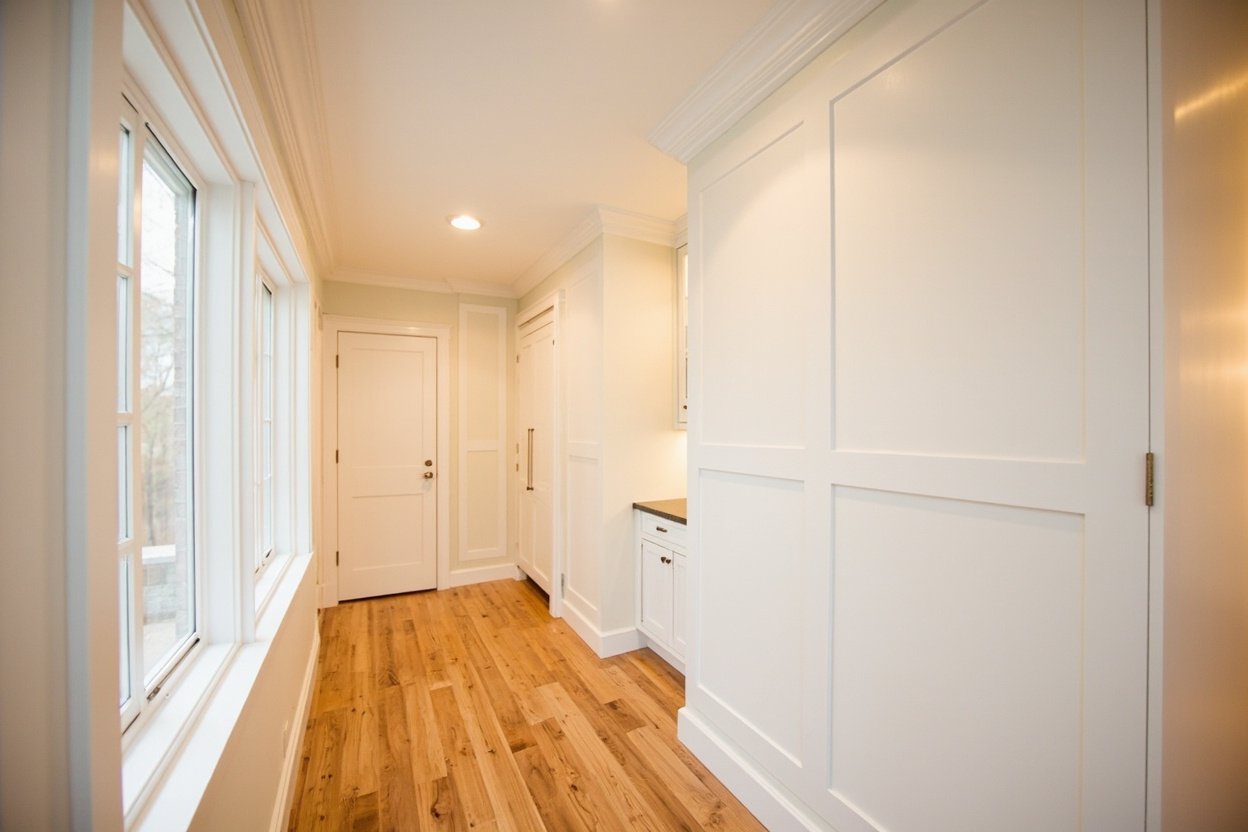
{“title”:”Basement Finishing in Boston: What Every Greater Boston Homeowner Needs to Know Before Starting”,”html”:”
If you have an unfinished basement in your Boston-area home, you are sitting on significant potential. Whether you envision a playroom for the kids, a home office, a guest suite for visiting family, or simply more living space without the cost of a home addition, basement finishing in Boston is one of the smartest investments you can make. Before you hire any contractor, though, there are some important things every Greater Boston homeowner should understand about finishing below-grade space in our region.
\n\n
Why Basement Finishing Is Different in Greater Boston
\n
Boston-area homes present unique challenges that differ from many other parts of the country. Many homes in Newton, Wellesley, Brookline, Lexington, and surrounding communities were built decades ago with specific structural characteristics. Basement ceilings in older homes often sit lower than modern code would recommend, and foundations may show their age in ways that affect how you approach finishing.
\n
Our team at Basement Finishing of Boston understands these regional realities. We build to current standards while working within the constraints that older Greater Boston homes often present, from ceiling height adjustments to foundation remediation.
\n\n
Moisture Management: The Foundation of a Lasting Finish
\n
Below-grade spaces naturally face moisture challenges that above-ground rooms do not. In Boston’s climate, where humidity levels fluctuate throughout the year and groundwater conditions vary by neighborhood, proper moisture management is not optional—it is essential.
\n
A professional basement finishing approach includes:
\n
- \n
- Moisture testing before any work begins
- Appropriate vapor barriers and insulation solutions
- Ventilation planning for long-term air quality
- Material selection designed for below-grade conditions
- Floor drain considerations for unexpected water events
\n
\n
\n
\n
\n
\n
Skipping these steps leads to mold, warping, and costly repairs down the road. A quality finish should last for decades, not just a few years.
\n\n
Egress Requirements: Safety First
\n
If your basement will serve as a living space—particularly a bedroom, guest suite, or in-law apartment—you must meet Massachusetts building codes for egress. This means having a reliable way to exit the space in case of emergency.
\n
Egress options for Boston-area basements typically include:
\n
- \n
- egress window wells with properly sized openings
- Walk-out basement doors where the home’s grade allows
- Interior stairs meeting code requirements for headroom and width
\n
\n
\n
\n
Our team coordinates with licensed professionals to ensure your finished basement meets all applicable codes. We handle the framing, insulation, and finishing work while ensuring that egress, electrical, and plumbing elements meet required standards.
\n\n
What a Full Basement Finishing Project Typically Includes
\n
Every basement is different, but most projects we complete in the Greater Boston area follow a similar scope. Understanding what goes into a professional finish helps you plan appropriately.
\n
Structural Work
\n
This includes any necessary demolition, framing for new walls, and addressing any structural issues revealed once the existing space is opened up. For basements in older homes, this phase often uncovers previous repairs, settling, or other conditions that need attention before finishing proceeds.
\n
Insulation and Moisture Control
\n
We install proper insulation rated for below-grade use, along with vapor barriers and air sealing as appropriate for your specific foundation type. This step is critical for energy efficiency and long-term durability.
\n
Drywall and Finishing
\n
Once framing and insulation are in place, we complete the drywall installation, taping, mudding, and sanding process. We then apply primer and paint to give your space a clean, finished appearance.
\n
Flooring
\n
For most basements, luxury vinyl plank (LVP) flooring is an excellent choice because it handles moisture better than hardwood and resists the temperature fluctuations common in below-grade spaces. Tile is another option, particularly in areas that may see more moisture like bathrooms or entry points.
\n
Lighting and Electrical
\n
Basements typically need additional lighting to feel welcoming. We work with licensed electricians to plan recessed lighting, ambient fixtures, and adequate outlet placement. Every electrical element meets code requirements.
\n
Trim and Details
\n
Baseboards, door casings, and any built-in features get the same attention to detail as the main scope. This is what separates a professional finish from a amateur one.
\n\n
Popular Basement Configurations for Boston Homes
\n
Homeowners in the Greater Boston area have diverse needs, and we tailor each project accordingly. Some of the most common basement finishing configurations include:
\n
- \n
- Family Room or Entertainment Space — A versatile living area for movie nights, game days, and everyday family life
- Home Office — With the rise of remote work, dedicated office space has become a top priority for many Boston-area homeowners
- Gym or Fitness Area — Climate-controlled workout
When planning your basement finishing boston, focus on proper scope definition, moisture management, and selecting materials suited for below-grade spaces.
\n
\n