Creating a Functional Basement Kitchenette in Your Boston Home
A basement kitchenette can transform your lower level into a versatile, functional space perfect for entertaining, accommodating guests, or creating an in-law suite. For Boston homeowners, adding a well-designed kitchenette to your finished basement not only increases your home’s value but also provides practical benefits for daily living and hosting.
Planning Your Basement Kitchenette Layout
Before diving into design choices, it’s crucial to plan the layout carefully. Boston basements often come with unique challenges including limited ceiling height, existing plumbing locations, and moisture concerns. Start by determining the primary purpose of your kitchenette—will it serve as a wet bar for entertaining, a full breakfast nook for a rental unit, or a convenience station for teenagers?
The ideal kitchenette layout maximizes efficiency in a compact footprint. Consider a galley-style arrangement with appliances and storage along one or two walls. This approach works particularly well in narrower basement spaces common in Boston’s older homes. When planning your basement layout, ensure you allocate at least 3-4 feet of clearance for walkways and appliance doors to open comfortably.
Essential Components and Appliances
A functional basement kitchenette typically includes a compact refrigerator, microwave, sink, and counter space. For Boston homes where space is at a premium, consider these space-saving options:
- Mini-fridges or under-counter refrigerators (24-36 inches wide) provide cold storage without dominating the space
- Combination microwave-convection ovens offer versatility for light cooking and reheating
- Single-bowl bar sinks (15-18 inches) fulfill basic washing needs while preserving counter space
- Portable induction cooktops can be stored when not in use, ideal for occasional cooking
- Dishwasher drawers fit seamlessly into compact kitchenettes for easy cleanup
When selecting appliances, prioritize energy-efficient models with compact dimensions specifically designed for secondary kitchens. Many manufacturers now offer apartment-sized or European-style appliances perfectly suited for basement installations.
Plumbing and Electrical Considerations
Adding a kitchenette requires careful attention to plumbing and electrical infrastructure. In Boston, where many homes have older plumbing systems, you’ll want to consult with licensed professionals to ensure your basement can support additional water supply and drainage.
If your basement already has a bathroom, tapping into existing plumbing lines can significantly reduce installation costs. However, if plumbing must be run from the main floor, budget accordingly for the extra labor and materials. Installing a sewage ejector pump may be necessary if your kitchenette sits below the main sewer line—a common scenario in Boston basements.
Electrical requirements for a kitchenette typically include dedicated 20-amp circuits for the refrigerator and microwave, GFCI-protected outlets near the sink, and adequate lighting. Massachusetts building codes require permits for plumbing and electrical work, so factor inspection requirements into your timeline.
Moisture-Resistant Materials and Finishes
Boston’s climate means basements face persistent humidity and potential moisture issues. Selecting appropriate materials is critical for a durable, long-lasting kitchenette. Avoid standard drywall in favor of moisture-resistant or mold-resistant varieties, particularly behind the sink area.
For cabinetry, choose marine-grade plywood or thermofoil-wrapped cabinets that resist moisture better than traditional wood. Stainless steel hardware and PVC or composite trim won’t rust or warp in damp conditions. Proper basement insulation helps manage temperature and moisture levels, creating a more comfortable kitchenette environment.
Countertop choices should prioritize both durability and moisture resistance:
- Quartz resists staining and doesn’t require sealing, making it ideal for basement use
- Solid surface materials like Corian offer seamless installation with integrated sinks
- Laminate provides a budget-friendly option when edges are properly sealed
- Butcher block creates warmth but requires diligent sealing and maintenance
Storage Solutions for Small Spaces
Efficient storage transforms a cramped kitchenette into a highly functional space. Vertical storage maximizes every inch—install cabinets that extend to the ceiling, and use upper cabinets with glass doors to create an open, less cramped feel.
Pull-out drawers and lazy susans make corner spaces accessible. Open shelving provides display space for attractive glassware or cookbooks while keeping frequently used items within easy reach. Consider installing a pegboard or magnetic knife strip to utilize wall space for tools and utensils.
Built-in features like a fold-down countertop extension or a pull-out cutting board provide temporary workspace that tucks away when not needed, preserving the open feel of your basement.
Design Style and Aesthetics
Your basement kitchenette should complement your home’s overall design while maximizing the sense of space and light. Light color palettes—whites, soft grays, and warm neutrals—reflect available light and make compact areas feel more open. This is particularly important in Boston basements where natural light may be limited to small egress windows.
Under-cabinet LED lighting brightens work surfaces while creating ambiance. Recessed lighting or track lights on dimmer switches offer flexibility for different activities, from food prep to entertaining. A statement pendant light or stylish bar stools can inject personality without overwhelming the space.
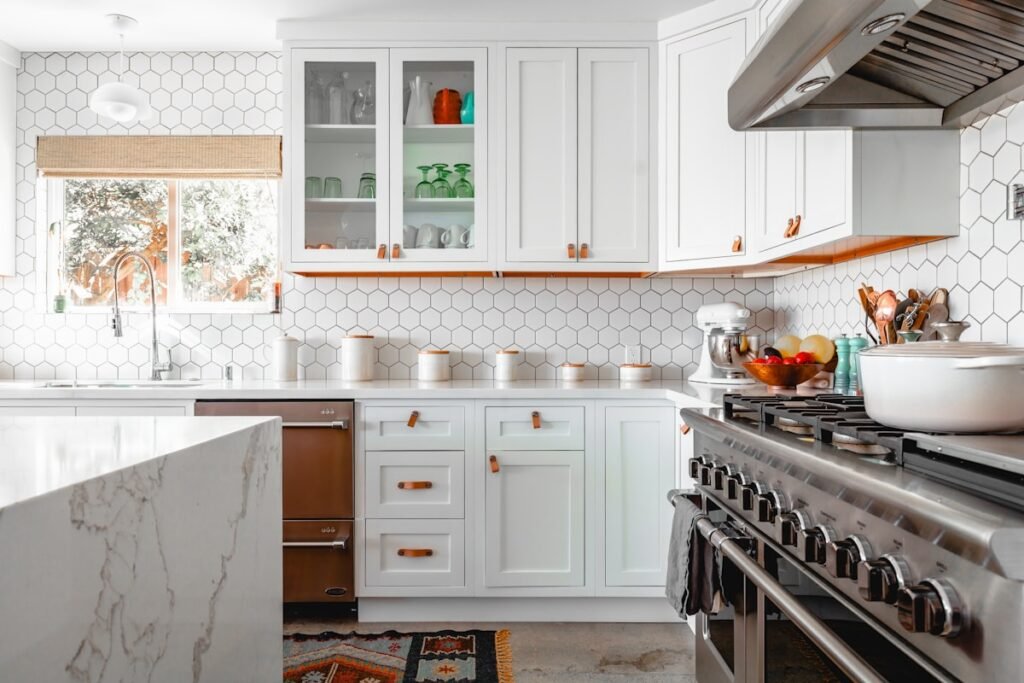
Modern farmhouse styles work beautifully in Boston basements, combining practicality with charm through elements like subway tile backsplashes, industrial-style faucets, and shaker-style cabinets. Contemporary designs with sleek lines and minimalist hardware create sophisticated, timeless spaces.
Budgeting and Return on Investment
A basic setup with a mini-fridge, microwave, and small sink on existing plumbing falls on the lower end, while a full kitchenette with premium appliances and extensive plumbing runs costs significantly more.
The investment often pays off through increased home value and functionality. Real estate experts note that finished basements with kitchenettes appeal strongly to Boston buyers looking for multi-generational living options, rental income potential, or sophisticated entertaining spaces. If you plan to sell within five years, focus on timeless designs and quality materials that appeal to broad buyer demographics.
Boston Building Codes and Permits
Massachusetts requires permits for plumbing, electrical, and sometimes structural work involved in adding a kitchenette. Working with licensed professionals familiar with Boston’s specific requirements ensures your project meets code and passes inspections smoothly.
Key code considerations include proper ventilation (especially if adding cooking appliances), GFCI protection for outlets near water sources, and adequate egress for basement living spaces. If your kitchenette is part of an accessory dwelling unit or rental apartment, additional requirements apply regarding separate utilities, fire separation, and means of egress.
Conclusion
A thoughtfully designed basement kitchenette adds remarkable functionality and value to your Boston home. By carefully planning the layout, selecting moisture-resistant materials, investing in appropriate plumbing and electrical infrastructure, and choosing space-efficient appliances, you can create a beautiful, practical space that serves your family for years to come. Whether you’re accommodating extended family, creating a rental unit, or simply want the convenience of a lower-level refreshment station, a basement kitchenette is a smart investment in your home’s versatility and appeal.