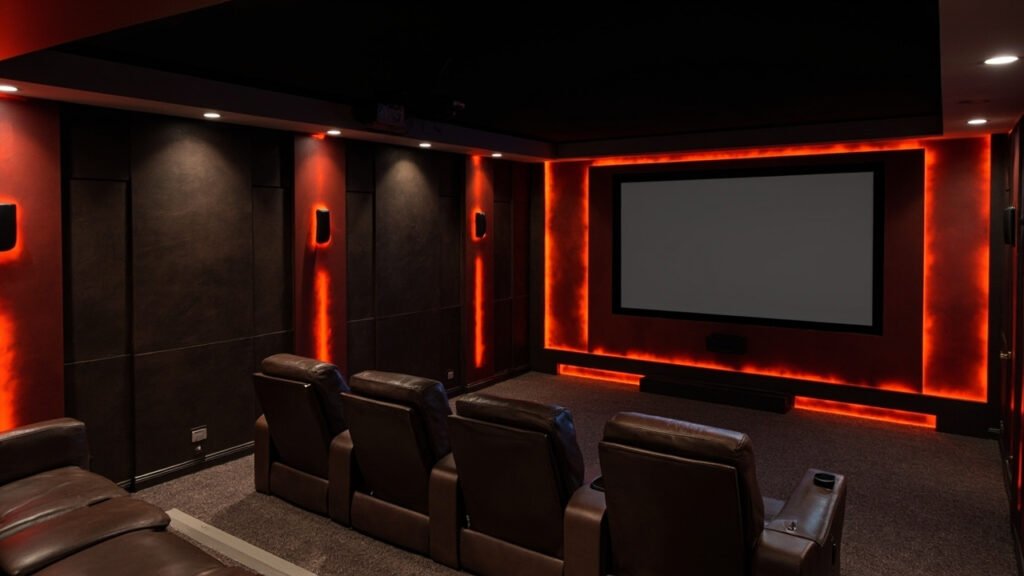
Boston Basement Home Theater Design: Creating the Ultimate Entertainment Space in Your Home
Designing a basement home theater in Boston combines the excitement of a private cinema with the unique challenges posed by New England’s climate, local building regulations, and the specific layout of Boston‑area homes. Whether you’re transforming an unfinished cellar into a cozy retreat or upgrading an existing finished space, a well‑planned basement home theater can add lasting value to your property. Below is a comprehensive guide that walks you through the essential considerations, design strategies, and Boston‑specific regulations to ensure your project is both enjoyable and code‑compliant.
Why Choose a Basement for a Home Theater in Boston?
Basements offer a naturally dark, low‑traffic environment that’s ideal for immersive audiovisual experiences. In a city where exterior noise from traffic, nightlife, and seasonal festivals can be pervasive, a below‑grade space provides an extra layer of sound isolation. Additionally, basement finishing can maximize the usable square footage of a home—a crucial factor in Boston’s competitive real‑estate market. For more basement finishing tips and inspiration, visit our blog at https://blog.basementfinishingofboston.com.
Climate and Moisture Challenges in Boston Basements
Managing Humidity and Condensation
Boston’s humid summers and cold winters create a perpetual risk of moisture buildup in below‑grade spaces. Excess humidity can damage drywall, warp wooden framing, and compromise the performance of electronic equipment. Effective moisture control starts with a high‑quality vapor barrier and continuous dehumidification. Installing a dedicated dehumidifier that integrates with your home’s HVAC system ensures consistent humidity levels year‑round.
Radon and Indoor Air Quality
While radon is a concern in many parts of Massachusetts, Boston’s geology can elevate radon levels in basements. Prior to finishing, conduct a radon test and, if necessary, install a radon mitigation system (typically a vent pipe and fan) to direct radon safely outdoors. Pair this with proper ventilation to maintain healthy indoor air quality.
Navigating Boston Building Codes and Permits
Key Permit Requirements
In Boston, any project that alters the structural, electrical, or mechanical systems of a home typically requires a permit. Finishing a basement home theater involves:
- Framing and Insulation: Must comply with the Massachusetts State Building Code, which mandates specific R‑values for basement walls.
- Electrical Work: Adding circuits for projectors, surround‑sound amplifiers, and lighting requires a licensed electrician and a separate electrical permit.
- HVAC Adjustments: If you’re extending ductwork or adding a dedicated heating/cooling zone, a mechanical permit is needed.
Egress and Fire Safety
Boston’s building code emphasizes egress and fire safety, especially in occupied basement spaces. Ensure at least one emergency exit (window or door) that meets the minimum dimensions (typically 5.7 sq ft opening) and is operable without special tools. Install smoke detectors, carbon monoxide alarms, and fire‑rated drywall on the ceiling and any shared walls with living areas.
Essential Design Elements for Boston Basement Home Theaters
Room Layout and Seating
- Ceiling Height: Boston’s older homes often have lower basement ceilings. Aim for a minimum of 7 ft clear height to accommodate recessed lighting and proper speaker placement.
- Seating Configuration: Consider tiered seating to optimize sightlines. Built‑in risers can be constructed using fire‑rated materials to meet code while providing a custom look.
Acoustic Treatment
Acoustic panels absorb excess reverberation and standing waves, delivering crisp dialogue and deep bass. Use fiberglass or mineral‑wool panels finished with fabric that matches your interior décor. Place panels on the front and rear walls and in the corners for maximum effectiveness.
Soundproofing Strategies
- Double‑Layer Drywall: Install two layers of 5/8‑in. gypsum board on shared walls.
- Resilient Channels: Decouple the ceiling from joists to reduce vibration transmission.
- Acoustic Sealant: Seal gaps around penetrations and along the perimeter of walls to prevent sound leakage.
Lighting Solutions for a Boston Basement Home Theater
Lighting sets the mood and enhances the visual experience. A layered approach—ambient, task, and accent lighting—provides flexibility while meeting code requirements.
Ambient, Task, and Accent Lighting
- Ambient: Recessed LED fixtures with dimmers create a soft overall illumination.
- Task: Step lights or LED strips along aisles and stairs ensure safe navigation.
- Accent: Cove lighting or LED strips behind the screen can add a dramatic backglow.
Integrating Smart Lighting
Smart dimmers and systems can sync with your home theater’s control system, automatically adjusting lights when a movie begins or when the projector powers on. For detailed ideas on basement lighting, check out our article on Basement Lighting Ideas for Modern Homes.
Selecting the Right Equipment and Technology
Video Projectors vs. Large‑Format TVs
- Projectors: Offer a true cinematic feel and are easier to conceal in low‑ceiling spaces. Choose a 4K laser projector with a short‑throw lens to minimize throw distance.
- Large‑Format TVs: Provide bright, high‑contrast images, especially in rooms with limited light control. Ultra‑thin OLED panels can be wall‑mounted, saving floor space.
Audio Systems and Calibration
A 5.1 or 7.1 surround‑sound system (or Dolby Atmos for added height effects) should be paired with an AV receiver that supports the latest codecs. Professional calibration ensures that speaker levels, crossovers, and room‑EQ settings are optimized for Boston’s basement acoustics.
Working with a Local Basement Finishing Professional
Partnering with a Boston‑based basement finishing contractor brings several advantages:
- Code Expertise: Local contractors are familiar with Boston’s permit process, fire‑safety ordinances, and any neighborhood‑specific restrictions.
- Climate‑Specific Solutions: They understand how to address moisture, radon, and thermal performance in New England basements.
- Integrated Design: A local team can coordinate framing, electrical, HVAC, and audiovisual work, minimizing delays and costly rework.
Conclusion
A well‑designed basement home theater can become the heart of your Boston home, offering a private retreat for movies, gaming, and live sports regardless of the weather outside. By accounting for Boston’s climate challenges, adhering to local building codes, and incorporating thoughtful design elements—from moisture management to acoustic treatment—you’ll create a space that’s both comfortable and compliant. Start your journey today by exploring our blog homepage for additional resources and expert guidance.