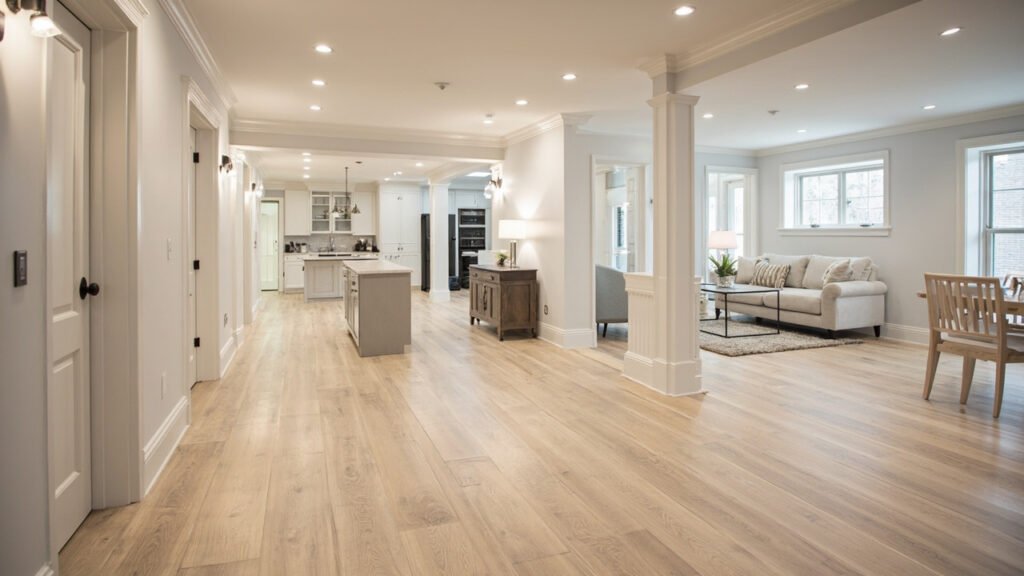
Few home improvement projects offer as much value as a basement renovation. Whether you’re dreaming of a cozy family room, a productive home office, or a separate suite for guests, finishing your basement transforms underutilized square footage into living space you’ll use every day. If you’re considering a basement renovation in Boston, this guide covers everything you need to know before you start.
Why Boston Homeowners Are Finishing Their Basements
Greater Boston homeowners face a familiar challenge: beautiful neighborhoods with older homes that offer limited room to grow. A basement renovation solves that problem without the cost and disruption of additions. Finishing your basement gives you:
- Additional living space without expanding your home’s footprint
- Increased property value that typically exceeds the cost of construction
- Flexibility to create whatever room your family needs most
- A faster path to more usable square footage compared to other additions
Whether you live in a Colonial in Wellesley, a split-level in Newton, or a Cape in Lexington, your basement represents untapped potential waiting to be finished properly.
The Basement Renovation Process: What to Expect
A professional basement finishing project follows a clear process designed to protect your home and minimize disruption to your daily life.
Initial Assessment and Planning
Before any work begins, we evaluate your basement’s current condition. This includes checking for moisture issues, measuring ceiling heights, and reviewing any existing electrical or plumbing systems. Boston’s older housing stock often requires additional attention to code compliance, especially for egress requirements if you’re creating additional bedrooms.
Moisture-Aware Construction
Below-grade spaces require special care when it comes to moisture management. We approach every Boston basement renovation with proven strategies including:
- Interior drainage systems where needed for water management
- Proper wall insulation meeting current code requirements for below-grade conditions
- Vapor barriers and dehumidification planning
- Material selections designed for moisture resistance in basement environments
Taking moisture seriously from the start prevents problems down the road and protects your investment.
Framing, Insulation, and Drywall
The structural phase transforms your basement from raw space into a real room. We frame walls, install appropriate insulation (typically requiring lower R-values for below-grade walls compared to above-grade), and hang drywall. For ceilings, we often recommend drop ceilings or thin-profile options that allow access to plumbing and electrical while maintaining a finished appearance.
Popular Basement Renovations in Greater Boston
Every family uses their finished basement differently. Here are the most common projects we complete for homeowners across Boston’s communities.
Family Rooms and Recreation Spaces
The most popular use for finished basement space. A family room or recreation area gives everyone a place to gather that feels separate from the main living areas upstairs. These spaces typically include durable flooring like luxury vinyl plank (LVP) that handles heavy furniture and foot traffic, comfortable lighting, and flexible furniture arrangements.
Home Offices and Workspaces
Remote work has made dedicated office space essential for many Boston homeowners. A basement office offers privacy and separation from household activity while remaining part of your home. We often incorporate additional electrical outlets, robust internet cable runs, and sound considerations to make these spaces genuinely productive.
Gym and Fitness Rooms
Basements make excellent home gyms. The concrete floor provides a stable base for equipment, the below-grade location keeps workout noise contained, and you can maintain comfortable temperatures year-round. Moisture-resistant flooring like certain LVP products or tile works well for these spaces.
Guest Suites and In-Law Apartments
Multi-generational households and visiting family drive many basement finishing projects. Converting your basement into a guest suite or in-law apartment typically requires careful attention to egress requirements, potentially adding a basement bathroom, and creating a separate feel from the main house. These projects deliver exceptional value for families who need flexible living arrangements.
Special Considerations for Boston Basements
Basements in Greater Boston present unique challenges that require experienced contractors who understand local conditions.
Ceiling Height Challenges
Many Boston-area homes, particularly older Colonials and Capes, have basement ceilings that don’t meet modern height requirements for habitable spaces. We routinely work with homeowners to find solutions that maximize usable space while meeting code requirements. This might include strategic soffit work, mechanical system relocation where feasible, or adjusting the scope to create comfortable spaces that don’t require full ceiling height.
Egress Requirements
If your finished basement will include a bedroom, building codes require proper egress—typically a door leading directly outside or a window meeting specific dimensions. We handle egress window installation as part of many Boston basement renovation projects, working with the specific requirements for your community.
Working with Older Homes
Properties in communities like Brookline, Westwood, Weston, and beyond often have basements with unique characteristics including odd angles, limited headroom in spots, or existing conditions that require creative solutions. Our experience with Greater Boston’s housing stock means we know how to work with these realities rather than against them.
Making Your Basement Renovation Happen
Starting a basement renovation project begins with a conversation. We walk through your space, discuss your vision and priorities, and provide honest feedback about what’s possible within your budget and your home’s specific conditions. There’s no obligation and no pressure—just straightforward guidance from professionals who specialize in basement finishing.
Ready to transform your basement? Visit our basement finishing page or call (857) 666-8643 for a Free, no-obligation estimate
What’s Included in a Typical Basement Finishing Project
Every basement renovation varies based on your goals, but most projects include these elements:
- Demolition and removal of existing finishes where needed
- Framing of walls and any structural modifications
- Installation of insulation appropriate for below-grade conditions
- Hanging and finishing of drywall
- Installation of flooring—typically LVP or tile for durability
- Interior painting and trim work
- Lighting installation including pot lights, fixtures, and switches
- Electrical work performed by licensed electricians
Popular Add-Ons for Boston Basements
Depending on your goals, many homeowners choose to include additional features in their basement renovation:
- Basement bathroom buildout including rough-in plumbing and full fixture installation
- Wet bar or kitchenette for entertaining and daily convenience
- Egress window installation for safe bedroom egress
- Stair updates to improve access and code compliance
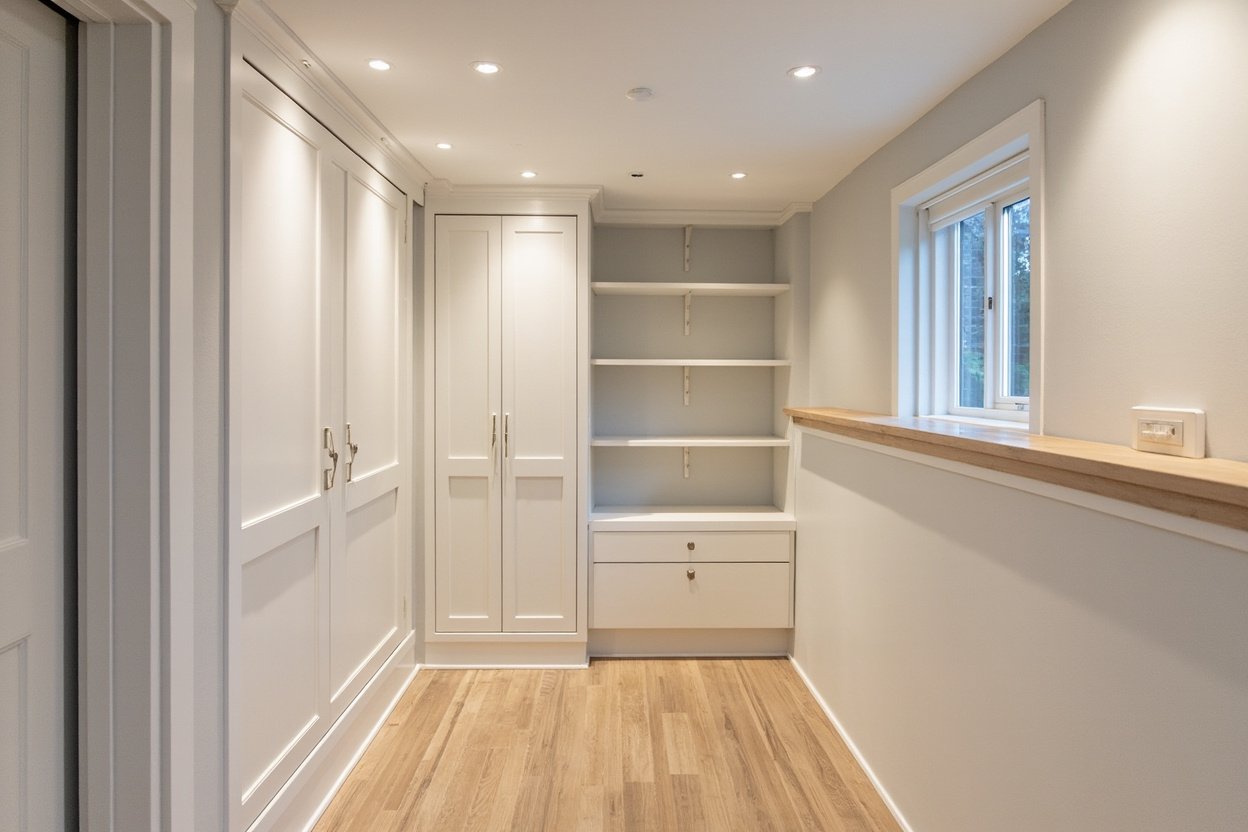
- Custom built-ins and storage solutions
- Home theater wiring and acoustic considerations
These additions often deliver strong value relative to their cost and make your finished basement significantly more functional.
Choosing the Right Contractor for Your Boston Basement
Basement finishing requires specific expertise that differs from above-grade remodeling. Moisture management, ceiling constraints, egress requirements, and below-grade building science all play critical roles in a successful project. When evaluating contractors for your Boston basement renovation, look for:
- Dedicated basement finishing experience rather than general contractors
- Clear processes and communication throughout the project
- Clean job sites and organized workflows
- Licensed tradespeople for electrical and plumbing work
- Willingness to discuss moisture management and below-grade considerations
The right contractor makes the entire experience smoother and delivers a basement that performs well for years to come.
When planning your basement renovation boston, focus on proper scope definition, moisture management, and selecting materials suited for below-grade spaces.