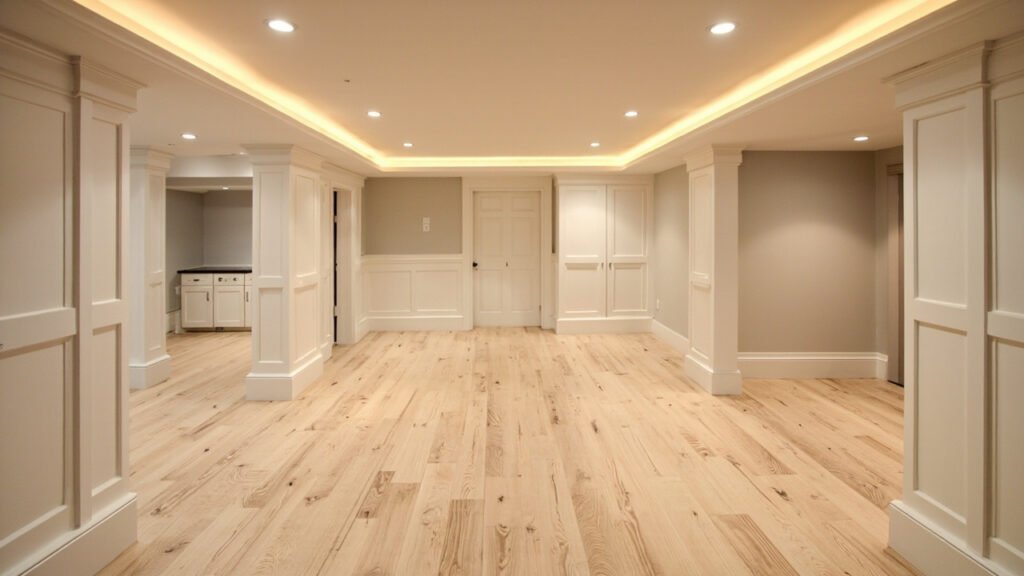
If you own a home in Greater Boston and have been thinking about finishing your basement, you are not alone. Many homeowners across Needham, Newton, Wellesley, Brookline, and surrounding communities have discovered that their below-grade space holds incredible potential. Whether you envision a cozy family room, a productive home office, or a private guest suite for visiting family, basement finishing can transform underutilized square footage into some of the most valuable living space in your home.
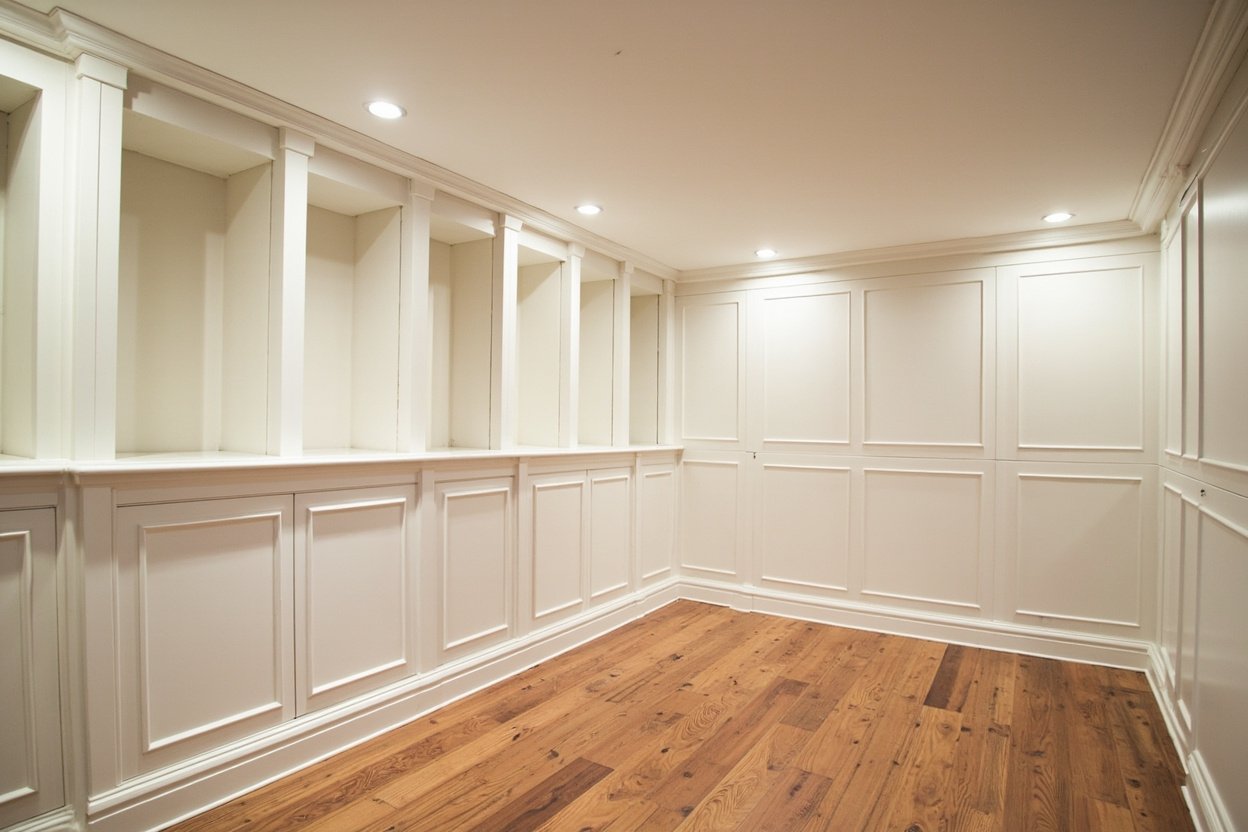
Yet finishing a basement in Boston presents unique challenges that differ from remodeling projects above ground. Older housing stock, variable ceiling heights, New England moisture concerns, and specific building codes mean that successful basement finishing requires careful planning and professional expertise. This guide walks you through what every Boston-area homeowner should understand before starting a basement project.
Understanding Boston’s Basement Finishing Challenges
Homes in the Greater Boston area span a wide range of ages and construction styles, from historic Colonial-era houses in Lexington to mid-century ranches in Westwood to newer construction in growing communities like Braintree and Quincy. This variety means that no two basement finishing projects are exactly alike. Older homes may have foundation issues that need addressing, while newer properties might already have better moisture barriers in place.
Ceiling height is one of the most common challenges we encounter. Many Boston-area homes were built with basement ceilings that fall below modern code requirements, which typically mandate at least 7 feet of headroom for habitable spaces. If your basement falls short, you may need to consider creative solutions like dropped ceilings with integrated lighting or strategic lowering of the floor to gain the necessary clearance.
Moisture Management: The Foundation of a Durable Basement
Below-grade spaces are naturally more prone to moisture intrusion, making proper moisture management the single most important factor in a successful Boston basement finishing project. Without the right approach, even a beautifully finished space can develop mold, musty odors, and structural problems within just a few years.
Effective moisture management begins with assessment. Before any finishing work begins, we evaluate the current state of your foundation walls, check for signs of water intrusion, and test humidity levels. From there, we implement a comprehensive strategy that may include:
- Interior drain systems and sump pumps
- Waterproof wall coatings or dimple membranes
- Insulation solutions designed for below-grade conditions
- Proper ventilation and dehumidification systems
- Vapor barriers integrated into wall and floor assemblies
These steps add upfront cost but protect your investment for decades to come.
Basement Egress Requirements in Massachusetts
If your basement will serve as a bedroom or habitable living space, Massachusetts building codes require proper egress. This means having a door or window that allows a person to escape in an emergency or allows firefighters to enter. For bedrooms in basements, this typically means an egress window or a separate exterior door.
Egress windows require specific dimensions and must have a window well that allows the window to fully open. If your basement does not already have adequate egress, this may be a scope item added to your finishing project. We work with homeowners across communities like Acton, Natick, Wayland, and Bedford to install egress windows that meet code while maintaining the aesthetic of their property.
Popular Basement Finishing Options for Boston Homes
When it comes to how you use your finished basement, the possibilities are extensive. Here are some of the most common projects we handle for Greater Boston homeowners:
- Family Rooms: Open-concept spaces with durable LVP flooring, recessed lighting, and comfortable finishes designed to withstand basement conditions
- Home Offices: Dedicated workspaces with proper lighting, sound insulation, and dedicated electrical circuits for equipment
- Fitness Rooms and Home Gyms: Flexible spaces that can accommodate equipment, rubber flooring, and mirrors
- Guest Suites and In-Law Apartments: Complete living spaces with bathrooms, kitchenettes, and separate entrances where code permits
- Home Theaters and Entertainment Areas: Spaces optimized for acoustics, lighting control, and comfortable seating
Many homeowners choose to combine elements, creating a multi-use space that serves their household’s evolving needs.
The Basement Finishing Process: What to Expect
A professional basement finishing project typically follows a structured approach. While every project has unique elements, the general phases include:
- Initial Consultation: We discuss your vision, assess the current basement condition, and identify any challenges such as moisture issues or ceiling height limitations
- Design and Planning: Detailed layouts, material selections, and scope documentation so you know exactly what is included
- Framing and Structural Work: Building out the skeleton of your new space, addressing any code requirements along the way
- Mechanical Rough-In: Electrical, plumbing, and HVAC work handled by licensed tradespeople
- Insulation and Moisture Barriers: Creating a comfortable, dry environment that performs year-round
- Drywall, Trim, and Finishing: The transformation phase where your space takes shape
- Final Touches and Walkthrough: Lighting, flooring installation, and a complete review of the finished product
Throughout the process, clear communication keeps you informed about progress, decisions, and any issues that arise.
Making the Most of Your Boston Basement
Finishing a basement is one of the most cost-effective ways to add living space to your home without the expense and disruption of additions or second-story construction. In the competitive Boston real estate market, finished basements can also contribute to your home’s value and appeal.
The key is working with professionals who understand the specific challenges of below-grade construction in our region. From the moisture patterns of an older Newton colonial to the newer construction methods in Burlington developments, basement finishing requires local knowledge and proven techniques.
Ready to transform your basement? Visit our basement finishing page or call (857) 666-8643 for a Free, no-obligation estimate
When planning your basement finishing boston, focus on proper scope definition, moisture management, and selecting materials suited for below-grade spaces.