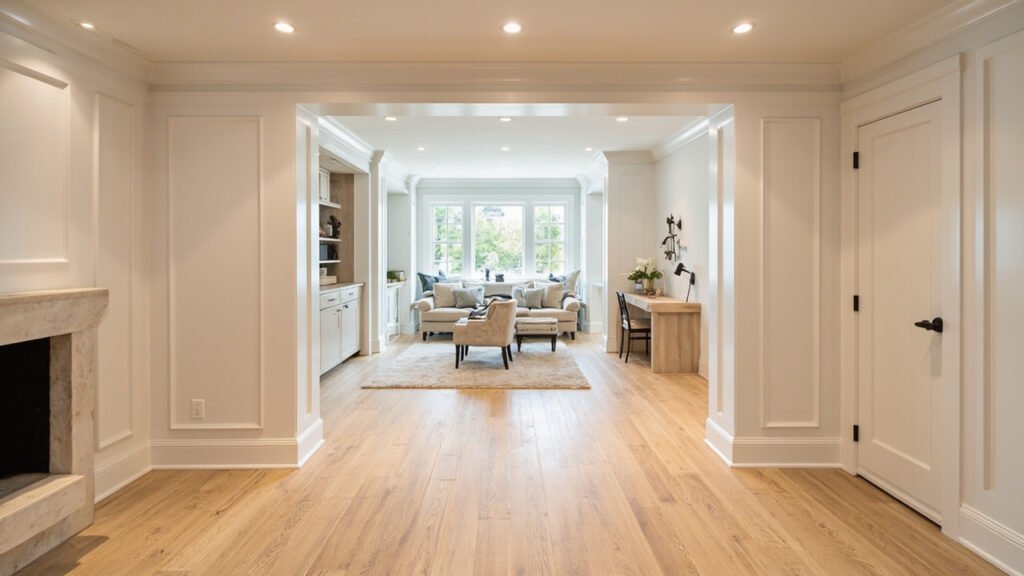
If you have an unfinished or partially finished basement in your Needham, Wellesley, or Greater Boston home, you’re sitting on one of the most valuable spaces in your house. Basement renovation transforms dark, underutilized areas into functional living spaces that add square footage, comfort, and value to your home. Whether you’re dreaming of a home office, a playroom for the kids, a guest suite for visitors, or a gym where you can workout without driving to a gym, finishing your basement is one of the smartest renovation investments you can make.
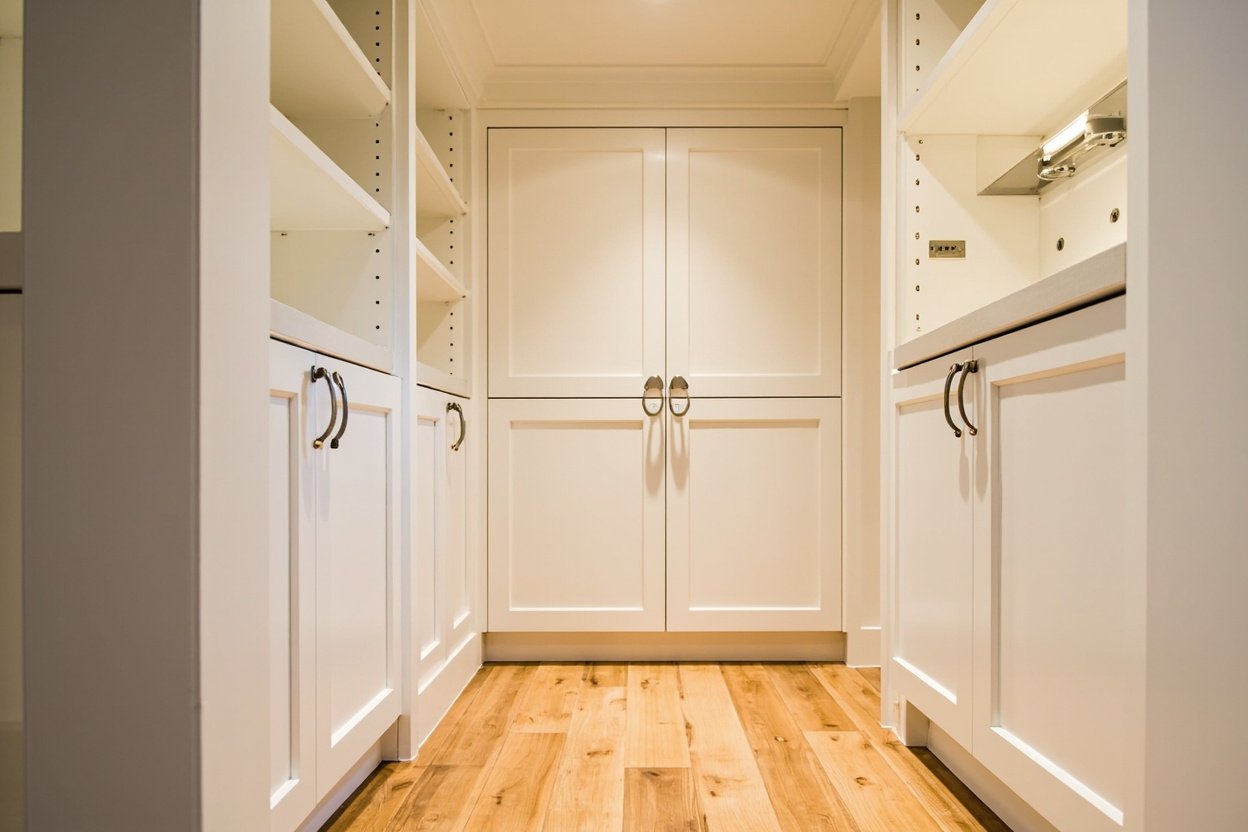
But basement finishing in older New England homes comes with unique challenges. Before you start tearing out walls or insulation, understanding what makes below-grade construction different in the Greater Boston area will help you plan a renovation that lasts.
Why Basements in Greater Boston Homes Are Different
Many homes in Needham, Newton, Lexington, Brookline, and surrounding communities were built 50, 80, or even 100+ years ago. These historic properties often have basements that weren’t designed with modern living in mind. You might encounter:
- Low ceiling heights — Finished basements in older homes may have as little as 6-7 feet of clearance, which can feel cramped once walls and flooring are added
- Moisture issues — Water table concerns, aging foundation walls, and poor drainage around older homes mean basements need special attention before finishing
- Outdated electrical and plumbing — Many older basements lack adequate circuits, proper grounding, or existing drain lines for bathrooms
- Asbestos or lead paint concerns — Pre-1970s homes may require testing and abatement before demolition begins
- Non-standard foundation configurations — Fieldstone foundations, odd-shaped rooms, and access through narrow stairways can complicate material delivery and installation
Working with a basement specialist who understands these regional challenges means your project will be planned correctly from the start.
Common Basement Renovation Projects in Needham and Surrounding Towns
Homeowners across Greater Boston finish their basements for many reasons. The most popular projects include:
- Family rooms and entertainment spaces — Create a comfortable gathering area where the whole family can relax, watch movies, or play games
- Home offices and work-from-home spaces — With more people working remotely, a dedicated basement office offers quiet and separation from household activity
- Home gyms and fitness rooms — Dedicated workout spaces have become essential for many homeowners, and basement floors are ideal for heavy equipment
- Guest suites and in-law apartments — Adding a bedroom, bathroom, and small kitchenette creates comfortable accommodations for family and visitors
- Home theaters and media rooms — Basements naturally provide the dark, quiet environment perfect for dedicated entertainment spaces
- Wet bars and kitchenettes — Entertaining becomes effortless when you have a basement bar or prep area
The Renovation Process: What to Expect
A professional basement finishing project follows a clear process designed to minimize disruption to your home while delivering quality results. Here’s what the typical scope looks like:
- Initial consultation and assessment — We evaluate your basement’s current condition, identify moisture issues, measure ceiling heights, and discuss your vision for the space
- Design and planning — Layout decisions, material selection, electrical and plumbing requirements, and egress window planning all get addressed before construction begins
- Framing and structural work — Walls go up, soffits are built for ductwork and wiring, and any structural modifications are completed
- Insulation and moisture barriers — Proper basement insulation is critical for comfort and energy efficiency in below-grade spaces
- Electrical and plumbing rough-in — Our licensed electricians and plumbers handle all trade work, running circuits, outlets, switches, and drain lines
- Drywall, trim, and painting — Walls take shape, trim gets installed, and the space starts looking like the finished product you imagined
- Flooring installation — LVP (luxury vinyl plank) and tile are the most popular basement flooring choices because they handle moisture better than hardwood
- Lighting and final touches — Pot lights, fixtures, and finishing details complete the transformation
Moisture Management for Below-Grade Spaces
If there’s one thing that can undermine a beautiful basement renovation, it’s moisture. Water intrusion through foundation walls, condensation on cold surfaces, and humidity buildup can cause mold, damage to finishes, and uncomfortable conditions. We take moisture management seriously in every basement finishing project.
Effective moisture strategies include:
- Interior drainage and sump pumps — Managing water that enters the basement before it reaches your finished space
- Vapor barriers and moisture-resistant insulation — Creating a buffer between foundation walls and your living space
- Proper ventilation planning — Ensuring adequate air circulation to prevent humidity buildup
- Dehumidification integration — Planning for mechanical dehumidification as part of the HVAC system
- Material selection — Using moisture-resistant drywall, mold-resistant insulation, and flooring that can handle occasional dampness
Adding Value with Basement Bathrooms and Egress Windows
Two additions that significantly boost both the functionality and value of a finished basement are bathrooms and egress windows. A basement bathroom makes your space truly self-contained—no more running upstairs when nature calls. If you’re planning a guest suite, home gym, or entertainment area, adding a bathroom is often the first upgrade homeowners request.
Egress windows serve a dual purpose: they bring natural light into your basement while providing a safe emergency exit that meets building code requirements. For any bedroom or habitable basement space, proper egress is required by local codes in communities like Needham, Wellesley, and Brookline. Installing egress windows also increases the usable square footage of your basement under most local zoning regulations.
Getting Started with Your Basement Project
Every basement is different, and every homeowner’s vision is unique. Whether you’re finishing a small basement nook or transforming your entire lower level into a complete living suite, the first step is talking to someone who understands the specific challenges and opportunities of basement construction in Greater Boston.
Ready to transform your basement? Visit our basement finishing page or call (857) 666-8643 for a Free, no-obligation estimate
The Basement Finishing of Boston team brings decades of combined experience to every project. We’re built on the Sun Shore Construction team standards—professional process, clear scope, clean job sites, and strong communication throughout your renovation. We’ll walk you through every decision, help you navigate local codes and permit requirements, and deliver results that add lasting value to your home.
When planning your basement renovation needham ma, focus on proper scope definition, moisture management, and selecting materials suited for below-grade spaces.