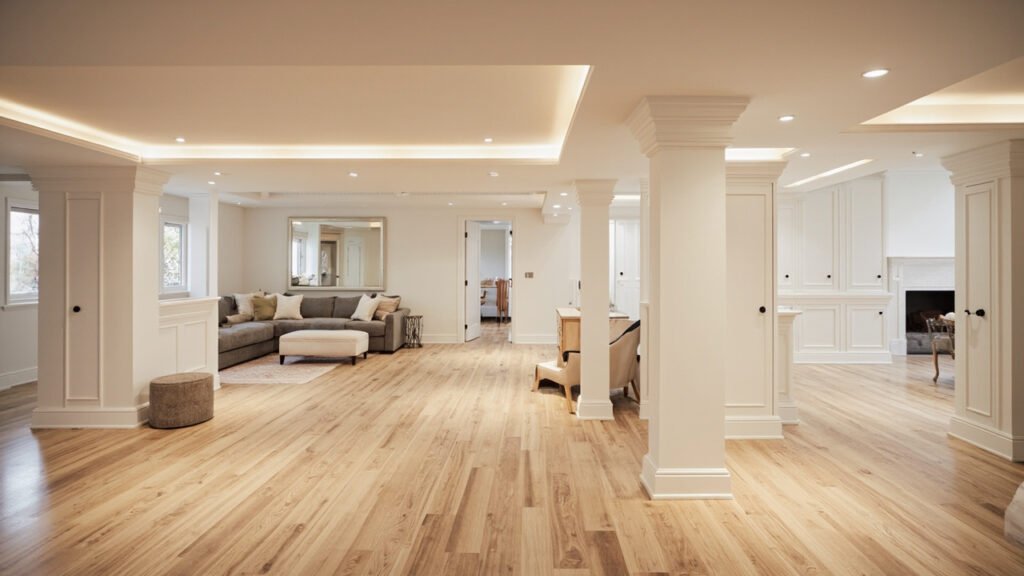
If you’re a homeowner in Lexington, MA, or anywhere in Greater Boston thinking about finishing your basement, you’re probably wondering what the process actually looks like. Finishing a basement is one of the smartest investments you can make—adding valuable living space without the cost of a full addition. But the basement finishing process does come with unique considerations, especially in our area’s older homes and challenging soil conditions.
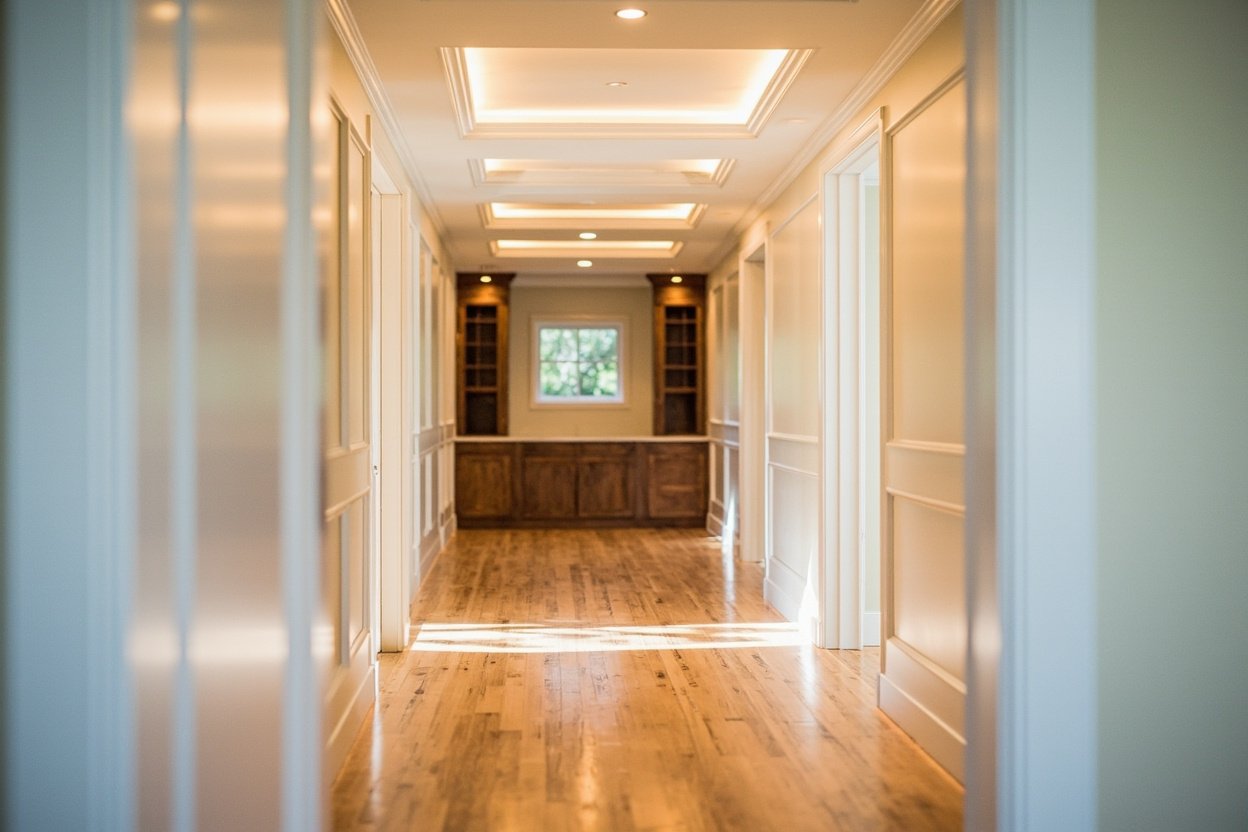
At Basement Finishing of Boston, we’ve helped hundreds of Greater Boston homeowners transform their underutilized basements into beautiful, functional living spaces. Here’s what you should know before you start your project.
Understanding Your Basement’s Potential—and Its Challenges
Basements in Greater Boston present unique challenges. Many homes in Lexington, Newton, Wellesley, and surrounding communities were built in the early-to-mid 20th century, meaning their foundations were constructed with fieldstone, brick, or concrete block—materials that require specific expertise to finish properly. Our team understands these construction methods and how to work with them effectively.
One of the first things we evaluate is your basement’s ceiling height. Building codes typically require a minimum ceiling height of 7 feet for habitable spaces, but many older basements fall short. If your basement has lower clearance, we’ll discuss options like creative ceiling treatments or partial height walls to maximize the space while meeting code requirements.
Moisture Management: The Foundation of a Lasting Basement Finish
Below-grade spaces are naturally prone to moisture intrusion. Before any finishing work begins, proper moisture assessment and management is essential. We conduct thorough evaluations of your foundation walls and floor to identify any existing water issues. This includes checking for cracks, efflorescence, or signs of past water intrusion.
Our approach typically involves ensuring proper exterior drainage, installing interior moisture barriers where needed, and recommending dehumidification systems designed for basement environments. We use moisture-resistant materials throughout—pressure-treated lumber for framing, moisture-resistant drywall, and appropriate flooring options like luxury vinyl plank or tile that can handle occasional moisture without damage.
The Basement Finishing Process: From Vision to Reality
When you work with Basement Finishing of Boston, here’s what you can expect:
- Initial consultation: We discuss your vision, assess your space, and identify any challenges
- Design phase: Our team helps you plan your layout, select materials, and create a realistic scope
- Engineering and permits: We handle the necessary paperwork and ensure all work meets local building codes
- Construction: Our skilled tradespeople complete all phases of the project
- Final walkthrough: We inspect the completed work together and ensure your complete satisfaction
Throughout the process, we maintain clean job sites and clear communication. We understand that construction can be disruptive, and we work efficiently to minimize the impact on your daily life.
Popular Basement Finishing Projects in Greater Boston
Every homeowner has different needs, and basements offer incredible versatility. Some of the most popular projects we complete include:
- Family rooms: Create a comfortable space for movie nights, game days, and everyday living
- Home offices: With remote work here to stay, a dedicated workspace can transform your productivity
- Guest suites: Give visitors their own private retreat with a bedroom and sitting area
- In-law apartments: Multi-generational living solutions that provide independence and privacy
- Home theaters: Dedicated entertainment spaces with proper acoustics and lighting
- Gyms and wellness rooms: Fitness spaces that eliminate the excuse of bad weather
Common Add-Ons for Greater Boston Basements
Beyond the basic finishing package, many homeowners choose to include additional features that enhance their basement’s functionality:
- Basement bathrooms: Our licensed plumbers can install full or half baths, adding significant convenience and value
- Wet bars and kitchenettes: Perfect for entertainment spaces or in-law suites
- Egress windows: Required by code for bedrooms and habitable basement spaces, these also add natural light
- Updated staircases: Modernizing basement access improves safety and aesthetics
Regarding egress requirements: Massachusetts building codes mandate egress windows in any basement space used for sleeping. These windows must meet specific size requirements and include a well if below grade. We handle all egress window installations to code, ensuring your space is safe and legal.
Why Work with a Basement Specialist?
While many general contractors can frame a wall or hang drywall, basement finishing requires specialized knowledge. The unique challenges of below-grade construction—moisture management, limited natural light, lower ceiling heights, egress requirements—demand experience and expertise.
Basement Finishing of Boston was built on the Sun Shore Construction team standards, which means every project receives the attention to detail and professional process that our clients expect. We don’t just finish basements; we understand them. We know how Boston-area foundations behave, which moisture control systems work best in our climate, and how to maximize livable space in challenging floor plans.
Getting Started on Your Lexington Basement Project
If you’re in Lexington, Needham, Newton, Wellesley, or any of Greater Boston’s communities, we’re here to help you explore what’s possible in your basement. Every home is different, and every homeowner’s vision is unique.
We offer free, no-obligation consultations where we can assess your space, discuss your goals, and provide honest recommendations. There’s no pressure—just helpful guidance from professionals who specialize in basement finishing.
Ready to transform your basement? Visit our basement finishing page or call (857) 666-8643 for a Free, no-obligation estimate
When planning your basement contractors lexington ma, focus on proper scope definition, moisture management, and selecting materials suited for below-grade spaces.