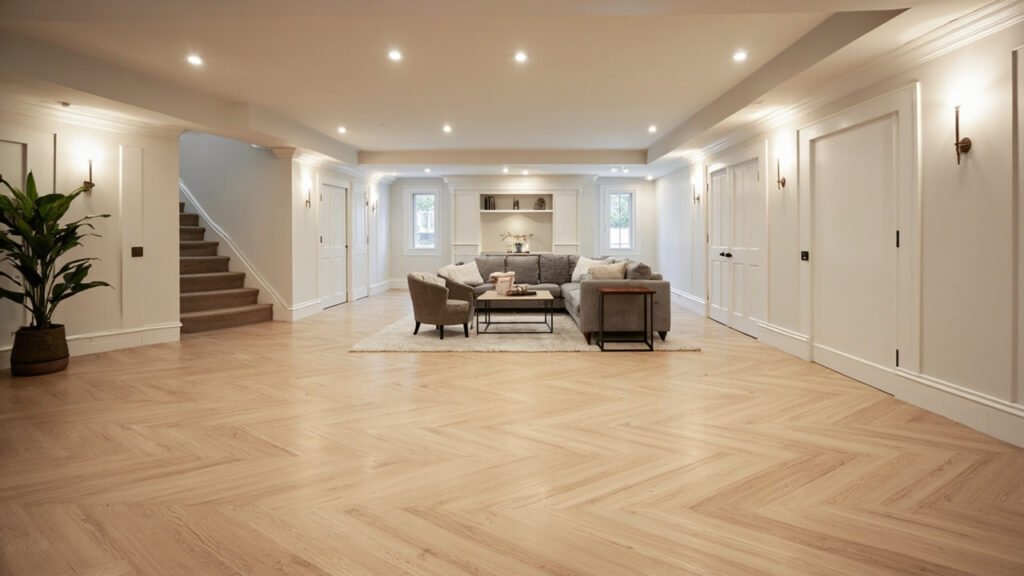
If you own a home in Greater Boston, your basement represents one of the most underutilized spaces in your property. While many homeowners view their below-grade level merely as storage, finishing this area can fundamentally transform how your family uses and enjoys your home. Understanding the value of a finished basement in Boston starts with recognizing what’s at stake: valuable square footage, increased property value, and a practical solution to Boston’s competitive real estate market where every usable room counts.
Why Boston Homeowners Are Investing in Basement Finishing
Greater Boston consistently ranks among the nation’s most competitive housing markets. With home prices remaining high and inventory limited, homeowners are seeking ways to maximize their existing properties rather than upgrade to larger homes. A finished basement provides exactly that opportunity by unlocking livable space without the costs associated with room additions or full-scale expansions.
The financial benefits extend beyond simple convenience. A properly finished basement can deliver a strong return on investment when it comes time to sell. Potential buyers in neighborhoods like Newton, Lexington, and Wellesley increasingly prioritize homes with flexible lower-level spaces that can serve as home offices, guest suites, or entertainment areas. This added functionality translates directly into market value.
Unique Challenges of Boston Basements
Not all basement finishing projects are created equal, and Boston presents specific challenges that require specialized expertise. The region’s housing stock includes numerous older homes built before modern building codes, meaning basements may have lower ceiling heights, uneven floors, or foundation structures that require careful planning.
Consider these important Boston-specific factors before beginning your project:
- Ceiling height considerations: Many older Boston-area homes have basement ceilings below the modern minimum of seven feet. This may require creative solutions like dropped lighting, strategic soffits, or discussing options with your contractor about what works best for your space.
- Moisture management: New England humidity and Boston’s proximity to the coast create moisture challenges that require proper insulation, vapor barriers, and adequate ventilation. Below-grade spaces need careful attention to prevent mold and moisture damage.
- Egress requirements: Massachusetts building codes require egress windows or alternative exits for any basement space intended as a bedroom or habitable area. This isn’t optional—it’s a safety requirement that affects your project’s scope and cost.
- Radon considerations: While not unique to Boston, radon testing and mitigation may be advisable depending on your specific neighborhood and soil conditions.
A professional basement finishing contractor familiar with Greater Boston’s housing stock understands these regional nuances and plans accordingly.
What Goes Into a Professional Basement Finish
Quality basement finishing involves much more than finishing drywall and laying carpet. The process typically includes several essential phases that address the unique demands of below-grade construction:
- Assessment and planning: Evaluating existing conditions, measuring ceiling heights, checking for moisture issues, and discussing your vision for the space.
- Moisture mitigation: Installing appropriate insulation, vapor barriers, and ensuring proper drainage if needed before any finishing work begins.
- Framing and structural work: Creating the framework for walls, soffits for mechanical systems, and any necessary updates to basement stairs.
- Mechanical rough-ins: Electrical wiring, plumbing for bathrooms or wet bars, and HVAC considerations completed before walls are closed up.
- Insulation and drywall: Proper insulation for energy efficiency and sound control, followed by finishing and painting.
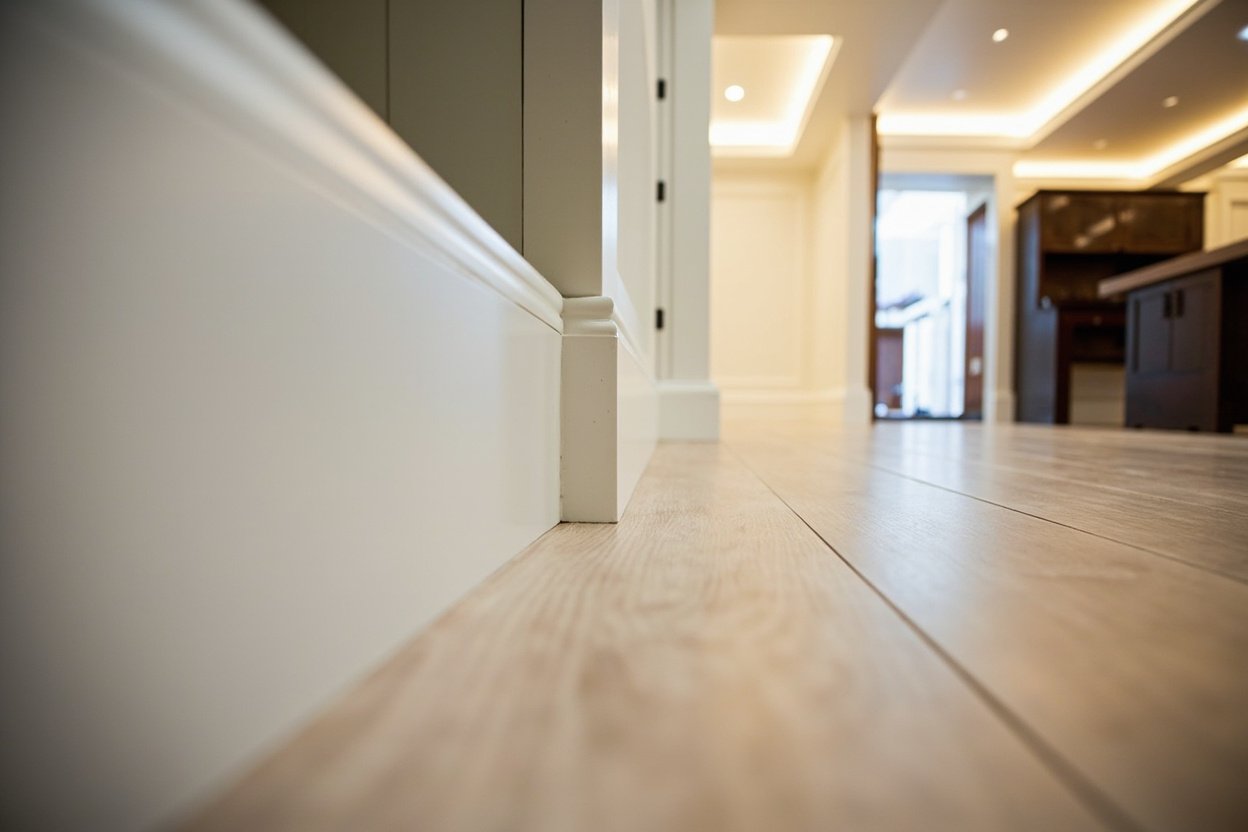
- Flooring and trim: Installing appropriate flooring for below-grade spaces, such as luxury vinyl plank or tile, along with trim work and finishing details.
Working with a team that handles every phase ensures coordination between trades and eliminates the frustration of managing multiple contractors.
Popular Basement Finishing Projects in Greater Boston
Homeowners throughout the region are transforming their basements into functional spaces that serve their families’ evolving needs. Common projects we complete include:
- Family rooms and entertainment spaces: Creating comfortable gathering areas perfect for movie nights, game days, or simply extra living space.
- Home offices: With remote work remaining prevalent, a dedicated basement office offers quiet, professional separation from household activity.
- Home gyms: Workout spaces that resist noise transmission and can handle equipment without disturbing neighbors in attached homes.
- In-law suites: Multi-generational families increasingly seek private basement apartments with bathrooms and kitchenettes.
- Guest suites: Comfortable overnight spaces for visiting friends and family.
Whatever your vision, professional basement finishing brings it to life with attention to the details that matter for your specific neighborhood and home.
Making an Informed Decision About Your Basement
Before committing to a basement finishing project, take time to understand what’s involved. The scope of work should address your home’s specific conditions rather than applying generic solutions. Older homes in Brookline and Weston may present different challenges than mid-century homes in Burlington or Quincy, and your contractor should account for these differences.
Ask potential contractors about their experience with moisture management in New England climates, their approach to egress requirements, and how they handle ceiling height limitations. The right contractor will explain these considerations clearly and incorporate them into their project planning rather than ignoring them.
Communication matters throughout the process. Professional basement finishing means clear scope documents, consistent updates, and a clean worksite throughout construction. These elements won’t appear in every contractor’s proposal, but they significantly impact your experience and final results.
Your Next Step Toward a Finished Basement
Understanding the value of a finished basement in Boston requires considering both the benefits and the challenges unique to our region. With proper planning, quality construction, and attention to New England-specific concerns, your basement can become some of the most valuable square footage in your home.
Ready to transform your basement? Visit our basement finishing page or call (857) 666-8643 for a Free, no-obligation estimate
When planning your value of finished basement boston, focus on proper scope definition, moisture management, and selecting materials suited for below-grade spaces.