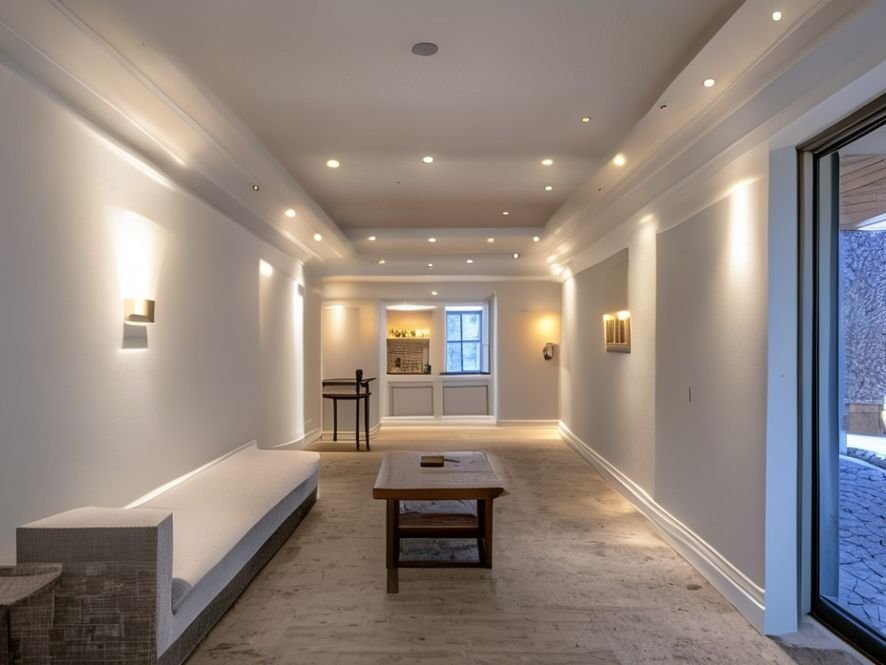
Unlocking Your Home’s Hidden Potential with basement finishing boston
Boston’s unique blend of historic charm and modern living often means homeowners cherish every square foot of their property. As properties in vibrant communities become increasingly valuable, many are looking downwards to discover a wealth of untapped potential right beneath their feet: the basement. Far from being a mere storage space or a damp, unused area, a professionally finished basement can dramatically expand your living space, enhance your home’s functionality, and significantly boost its market value. Imagine transforming that dreary, underutilized area into a vibrant, integral part of your home, perfectly tailored to your family’s evolving needs and lifestyle.
The decision to undertake a basement finishing project is an investment in your home’s future and your family’s comfort. It’s about more than just adding rooms; it’s about creating an entirely new environment that complements the existing aesthetic of your home while offering specialized utility. Whether you dream of a cozy retreat, a productive workspace, or an entertainment hub, the possibilities are virtually limitless when you approach basement finishing with a vision and the right expertise. This comprehensive guide will walk you through everything you need to know about navigating the exciting journey of basement finishing in Boston, from initial concepts to the final touches, ensuring a smooth and rewarding transformation.
Embracing basement finishing Boston means recognizing the unique challenges and opportunities presented by local climate conditions, building codes, and architectural styles. A well-executed project not only adds square footage but also improves your home’s overall energy efficiency, moisture control, and structural integrity. It’s a holistic approach to home improvement that considers both immediate desires and long-term benefits, making your Boston residence more versatile, comfortable, and valuable for years to come.
Popular Transformations: Tailoring Your Basement to Your Lifestyle
The beauty of basement finishing lies in its incredible versatility. Unlike other areas of your home, a basement often presents a blank canvas, allowing for truly custom designs that cater specifically to your lifestyle needs. One of the most popular requests is for custom family rooms, providing a spacious and comfortable area for relaxation, family gatherings, and everyday living, often away from the main hubbub of the upper floors. These spaces can be designed with durable, family-friendly materials and thoughtful layouts that encourage connection and comfort, making them ideal for movie nights or quiet evenings alike.
For those seeking enhanced productivity or specialized spaces, a finished basement can perfectly accommodate a dedicated home office, offering a quiet, distraction-free environment essential for remote work or creative pursuits. Similarly, the demand for home gyms has surged, and a basement provides the ideal setting for a private fitness sanctuary, complete with appropriate flooring, ventilation, and sound insulation. Guest suites and in-law apartments are also highly sought-after, offering privacy and comfort for visitors or extended family, often including a separate living area, bedroom, and even a small kitchenette, making multi-generational living both practical and harmonious.
Beyond the practical, basements excel as entertainment zones. Imagine a state-of-the-art home theater, meticulously designed for optimal acoustics and viewing, creating an immersive cinematic experience without ever leaving your house. Adding a stylish wet bar can elevate this entertainment space, making it perfect for hosting friends, mixing cocktails, and enjoying lively evenings. Each of these specialized areas contributes not only to the functionality of your home but also significantly enhances the quality of life for its occupants, turning an underutilized space into a cherished part of your daily routine.
The Basement Finishing Timeline: What to Expect from Start to Finish
Understanding the typical timeline for a basement finishing project is crucial for managing expectations and planning effectively. While every project is unique, a general sequence of phases can be anticipated. The initial phase involves design and planning, which can take anywhere from 2 to 6 weeks. During this period, you’ll work with designers to conceptualize your space, select materials, and finalize the layout. This stage is critical for ensuring all your needs and preferences are incorporated into a cohesive and functional design, laying the groundwork for a successful transformation.
Following the design phase, permitting typically takes another 4 to 8 weeks, depending on the municipality and the complexity of the project. Obtaining the necessary permits is a non-negotiable step, ensuring that all work complies with local building codes, safety regulations, and zoning requirements. Attempting to bypass this stage can lead to significant penalties, delays, and potential safety hazards down the line, making it a vital part of the overall timeline. A reputable contractor will handle this process efficiently, guiding you through any required documentation or inspections.
The actual construction phase is the longest, generally spanning 8 to 16 weeks, though larger or more intricate projects could take longer. This phase encompasses everything from framing, electrical, plumbing, and HVAC rough-ins to insulation, drywall, flooring, painting, and the installation of fixtures and finishes. Throughout construction, regular communication with your contractor is key to staying informed about progress and addressing any unforeseen issues promptly. Finally, a few days to a week are dedicated to final inspections and cleaning, after which your beautifully transformed basement will be ready for you to enjoy. Factors such as material availability, weather conditions, and the need for specialized trades can all influence the overall duration.
Understanding Cost Factors in Basement Finishing Boston
The investment required for basement finishing in Boston varies widely, influenced by several key factors that homeowners should consider during the planning stages. The most significant determinant is the size of the basement; a larger square footage naturally requires more materials and labor. Beyond size, the complexity of the design plays a crucial role. Adding multiple rooms, intricate custom built-ins, extensive plumbing for a new bathroom or wet bar, or specialized electrical work for a home theater will increase costs compared to a simpler, open-concept layout. Each additional feature brings its own set of material and installation expenses.
Material choices also heavily impact the final price. For flooring, options range from cost-effective vinyl plank and laminate to more premium choices like engineered hardwood or ceramic tile, each with different price points and installation complexities. Similarly, the quality of insulation, drywall, lighting fixtures, cabinetry, and bathroom fittings can significantly sway the budget. Homeowners must balance their aesthetic desires with their financial parameters, understanding that higher-end materials generally offer greater durability and a more luxurious finish, but at a higher initial cost. It is important to remember that investing in quality materials can reduce long-term maintenance and enhance the longevity of the finished space.
Labor costs, permits, and professional fees for designers and architects also contribute to the overall expense. The unique challenges of basement finishing Boston, such as potential moisture mitigation requirements or specific historical district regulations, can sometimes add to the complexity and therefore the cost. Obtaining a detailed, itemized estimate from your contractor is paramount. This transparency allows you to understand where your money is going and to make informed decisions about where to allocate your budget, ensuring there are no surprises down the line and that your investment aligns with your expectations for the transformed space.
Navigating Material Choices for Durability and Aesthetics
Selecting the right materials for your basement finishing project is a critical step that impacts both the longevity and the visual appeal of your new space. Given that basements are below grade, moisture resistance is often a primary consideration. For flooring, options like luxury vinyl plank (LVP) and ceramic or porcelain tile are excellent choices due to their imperviousness to water, durability, and wide range of styles. Engineered hardwood can also be suitable if proper moisture barriers and climate control are in place, offering a warmer aesthetic than tile. Carpet, while comfortable, requires careful consideration regarding potential moisture issues and should be chosen with appropriate padding and installation methods.
For walls, moisture-resistant drywall, often referred to as green board or purple board, is highly recommended, especially in areas prone to humidity or potential leaks. Beyond the standard drywall, consider insulation options that provide both thermal and moisture control, such as rigid foam boards or spray foam, which can significantly improve energy efficiency and prevent condensation. The choice of paint is also important; low-VOC, mold-resistant paints are ideal for basement environments, contributing to better indoor air quality and preventing microbial growth. These foundational choices create a healthy and resilient environment for your finished space.
Beyond the structural elements, the finishing materials truly define the character of your basement. Lighting fixtures should be chosen to compensate for the lack of natural light, with a mix of ambient, task, and accent lighting to create a bright and inviting atmosphere. Cabinetry for wet bars or storage areas can range from custom-built units to pre-fabricated options, impacting both cost and aesthetic. Door and trim styles should complement the rest of your home while standing up to potential basement conditions. Thoughtful selection across all these material categories ensures a basement that is not only beautiful but also robust enough to withstand the unique demands of a subterranean environment, providing lasting enjoyment for your family.
Hiring the Right Professionals: Essential Tips for Your Project
The success of your basement finishing project hinges significantly on hiring the right team of professionals. It is imperative to choose a contractor with extensive experience specifically in basement transformations, as these projects present unique challenges compared to above-ground renovations. Look for a company that demonstrates a deep understanding of moisture control, ventilation, proper insulation techniques, and local building codes, particularly those relevant to subterranean spaces. A reputable contractor will be licensed, fully insured, and able to provide a portfolio of past basement projects, showcasing their quality of work and design capabilities.
When evaluating potential contractors for your basement finishing Boston project, always request multiple references from previous clients and take the time to contact them. Inquire about their experience with the contractor’s communication, adherence to timelines, budget management, and overall satisfaction with the finished product. Pay close attention to how the contractor proposes to address common basement issues like humidity, radon mitigation, or egress window requirements. Their approach to these specifics will reveal their level of expertise and their commitment to a safe, durable, and compliant finished space.
Furthermore, ensure the contractor is familiar with the specific requirements and regulations across various service areas. Basement Finishing of Boston proudly serves homeowners in Needham, Newton, Weston, Norwood, Canton, Dover, Dedham, Lincoln, Bedford, Lexington, Boston, Wellesley, Brookline, Natick, Wayland, Burlington, Westwood, and Quincy. Local expertise is invaluable for navigating permits, inspections, and understanding regional architectural styles. A transparent, detailed contract outlining the scope of work, timeline, payment schedule, and warranty information is a must. Choosing a professional who prioritizes clear communication and transparency throughout the entire process will contribute immensely to a stress-free and successful renovation experience, transforming your basement into a valuable extension of your home.
Common Mistakes to Avoid in Your Basement Finishing Project
Embarking on a basement finishing project without proper planning can lead to several common and costly mistakes that are best avoided. One of the most critical oversights is neglecting adequate waterproofing and moisture control. Basements are inherently susceptible to moisture issues, and failing to address existing leaks, high humidity, or potential water intrusion before finishing can lead to mold growth, material damage, and health hazards. Proper exterior drainage, interior waterproofing systems, and effective dehumidification are foundational steps that should never be skipped, regardless of how dry your basement appears to be initially.
Another frequent error is overlooking the importance of proper ventilation and air quality. Basements can often feel stuffy or damp without sufficient airflow. Incorporating an appropriate HVAC system or dedicated ventilation solutions is crucial for maintaining comfortable temperatures, reducing humidity, and ensuring fresh air circulation. Additionally, many homeowners attempt extensive DIY work without understanding the complexities of electrical, plumbing, or structural modifications, which can lead to safety hazards, code violations, and expensive repairs down the line. Professional installation of these critical systems ensures safety and compliance.
Finally, neglecting to obtain the necessary permits and inspections is a significant mistake that can have serious repercussions. Building codes are in place to ensure safety and structural integrity, and attempting to finish a basement without proper authorization can result in fines, forced demolition, or difficulties when selling your home. Underestimating the budget or failing to account for contingencies is also a common pitfall. Always allocate an additional 10-15% of your budget for unexpected issues. Avoiding these common mistakes by working with experienced professionals and thorough planning will ensure a smooth process and a high-quality, long-lasting finished basement.
Maintaining Your Finished Basement: Ensuring Lasting Enjoyment
Once your basement finishing project is complete and you’re enjoying your new space, ongoing maintenance is key to preserving its beauty, functionality, and the significant investment you’ve made. One of the most important aspects of basement maintenance is consistent humidity control. Basements naturally tend to be more humid than upper levels, and excessive moisture can lead to mold, mildew, and damage to materials. Investing in a high-quality dehumidifier and running it regularly, especially during warmer, wetter months, is essential. Aim to keep humidity levels between 30-50% to create a healthy and comfortable environment.
Regular inspections are also crucial for early detection of any potential issues. Periodically check for signs of water intrusion around windows, doors, and foundation walls, especially after heavy rains. Look for discolored spots, peeling paint, or musty odors that could indicate a problem. Ensure that your gutters are clean and downspouts direct water away from your foundation. These proactive measures can prevent minor issues from escalating into major, costly repairs. Promptly addressing any leaks or moisture concerns will protect your finished basement from long-term damage and maintain its pristine condition.
Beyond moisture management, general upkeep like routine cleaning, proper ventilation, and prompt attention to any appliance issues (if you have a wet bar or laundry in the basement) will contribute to the longevity of your space. Just as you maintain the rest of your home, your finished basement requires care to