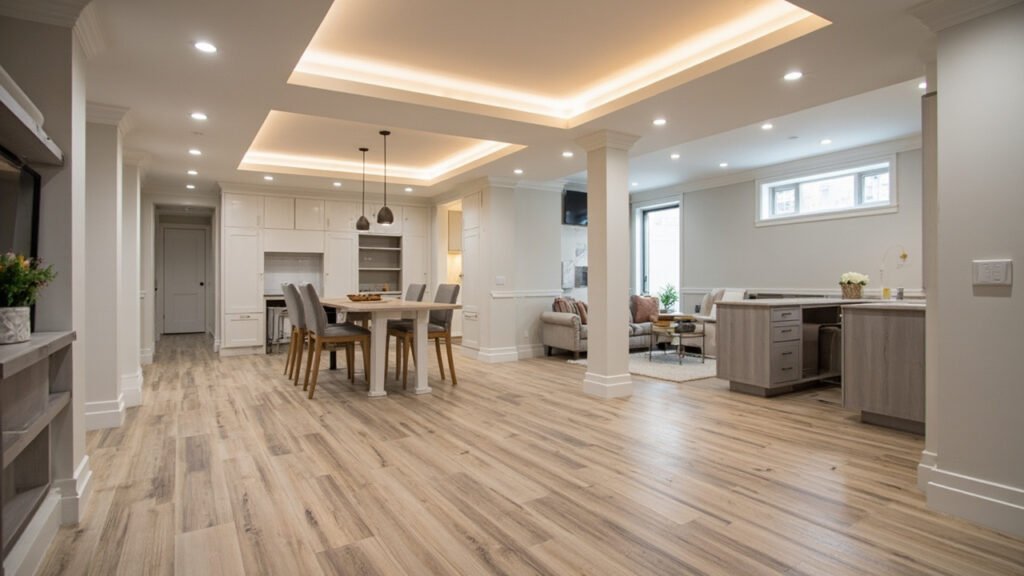
Transforming your basement into a fun, functional playroom is one of the best investments you can make for your family. At Basement Finishing of Boston, we have helped countless homeowners across Greater Boston—from Newton and Wellesley to Quincy and Braintree—create vibrant below-grade spaces where kids love to spend time. If you are considering a basement playroom, this guide covers the key ideas, considerations, and tips to help you plan your project with confidence.
Why Choose Your Basement for a Kids Playroom
Basements offer unique advantages as play spaces. They keep toys, art supplies, and active play contained away from main living areas. A well-finished basement playroom gives children their own domain while keeping the rest of your home clutter-free and organized. For Boston-area homes—many of which were built in the early-to-mid 20th century—a basement renovation can unlock significant square footage that might otherwise go unused.
Below-grade spaces also naturally stay cooler in summer, which is ideal for active play. With proper insulation and moisture management, your basement playroom will be comfortable year-round, no matter how cold Massachusetts winters get.
Essential Considerations Before You Begin
Before diving into design ideas, there are a few basement-specific factors every Greater Boston homeowner should address. Older homes in neighborhoods like Lexington, Brookline, and Westwood often have basements with lower ceiling heights, outdated finishes, or moisture concerns. Planning for these issues upfront ensures your playroom lasts for years to come.
Key checklist items include:
- Moisture testing and waterproofing solutions
- Ceiling height assessment—may need dropped ceilings or soffit work
- Insulation upgrades to meet current energy codes
- Egress window evaluation for safety and resale value
- Electrical updates for outlets, lighting, and future tech needs
Our team handles every step of the finishing process, from framing and insulation to drywall, flooring, and trim. We work with licensed electricians and plumbers to ensure all trade work meets Massachusetts building codes.
Zone-Based Design for Maximum Fun
One of the most effective basement playroom ideas is to divide the space into distinct zones. Zoning helps keep activities organized and makes the room feel larger and more intentional. Consider planning for these common areas:
- Active Play Zone: Open floor space for running, building blocks, or playing with ride-on toys. Durable luxury vinyl plank (LVP) flooring holds up beautifully to active kids and is moisture-resistant—perfect for basement environments.
- Creative Corner: A dedicated art and craft station with easy-to-clean surfaces, good task lighting, and storage for supplies. Built-in shelving or cubbies keep materials organized and accessible.
- Reading or Quiet Zone: Soft rugs, bean bags, or built-in bench seating create a cozy nook for books, puzzles, or downtime.
- Gaming or Tech Area: If screen time is part of your family routine, designate a specific spot with proper cable management and ergonomic seating.
By separating active and quiet activities, you reduce conflicts and make the space functional for multiple age groups simultaneously.
Smart Storage Solutions
Kids generate a lot of stuff—and that stuff needs a home. Effective storage is the secret to keeping your basement playroom tidy and enjoyable. During your finishing project, consider incorporating:
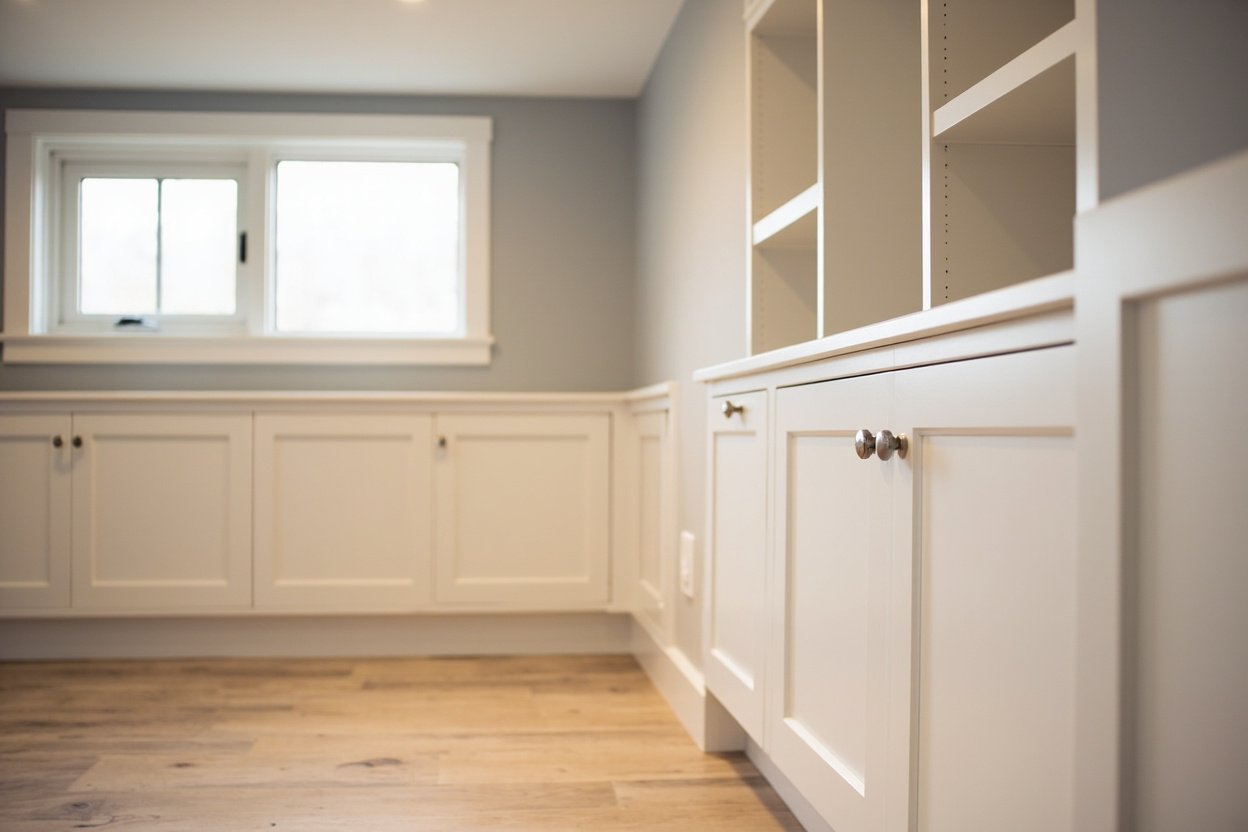
- Built-in wall cubbies or lockers for each child
- Overhead shelving for games and bulky items
- Hidden storage in ottomans or benches
- Labeled bins and baskets for easy cleanup
- Closet space converted into a toy library
Custom millwork and trim work are part of our standard finishing scope. We can design storage solutions that look great and grow with your family.
Lighting and Ambiance
Basements typically have limited natural light, so thoughtful artificial lighting is essential. Layered lighting works best in playrooms. Combine overhead fixtures for general illumination with task lighting over craft areas and accent lighting to create warmth and atmosphere. Recessed can lights, pendant fixtures, and even playful wall sconces can all contribute to a welcoming environment.
If your budget allows, consider adding an egress window or window wells that bring in natural light while meeting safety codes. Egress windows are especially important in playrooms because they provide emergency exits and make the space feel less like a traditional basement and more like a true living area.
Safety and Building Codes in Greater Boston
Massachusetts has specific building requirements for basement finishing, and these are especially important when creating a child-friendly space. Key code considerations include:
- Proper egress windows with wells if the room will be used as a bedroom or regular sleeping area
- Smoke and carbon monoxide detectors wired to the home’s alarm system
- GFCI outlets near water sources
- Fire-rated drywall and door assemblies where required
- Proper ventilation to prevent moisture buildup
Our team is thoroughly familiar with local building codes in Newton, Wellesley, Needham, and all surrounding communities. We handle permit preparation and code compliance as part of our professional process, so you can focus on the fun part—choosing colors and décor.
Make It Their Favorite Room in the House
A basement playroom is more than just a place to store toys. It becomes the heart of your home’s family life—a space for rainy-day fun, homework sessions, birthday parties, and everyday memories. By planning your design around zones, smart storage, proper lighting, and Boston-specific building considerations, you will create a space that is both practical and delightful.
Ready to transform your basement? Visit our basement finishing page or call (857) 666-8643 for a Free, no-obligation estimate
Whether you are in Acton, Natick, Wayland, Bedford, Burlington, or any other Greater Boston community, Basement Finishing of Boston is ready to help you bring your basement playroom ideas to life.
When planning your basement playroom ideas, focus on proper scope definition, moisture management, and selecting materials suited for below-grade spaces.