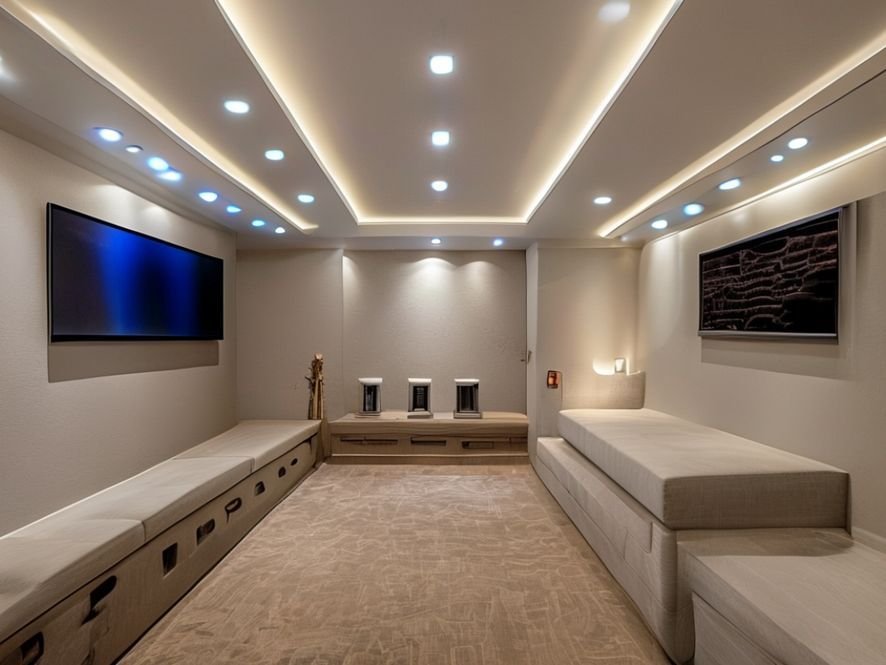
Transforming Your Basement into an Entertainment Oasis
Imagine stepping into a dedicated space within your own home, designed purely for immersive entertainment. A place where the outside world fades, and cinematic adventures, thrilling sports events, or epic gaming sessions come to life with stunning clarity and rich, enveloping sound. This dream becomes a reality with a professional basement home theater installation. For homeowners in the greater Boston area, transforming an underutilized basement into a state-of-the-art entertainment hub is one of the most rewarding home improvement projects, significantly enhancing both lifestyle and property value.
At Basement Finishing of Boston, we specialize in converting drab, unfinished basements into vibrant, functional extensions of your living space. While a home theater is a popular choice, our expertise also encompasses creating custom family rooms, productive home offices, fully equipped home gyms, comfortable guest suites, and even independent in-law apartments. The versatility of a finished basement is truly remarkable, offering endless possibilities to cater to your family’s unique needs and desires, with a dedicated home theater often serving as the crown jewel of such a transformation.
The journey to your ultimate entertainment sanctuary begins with a clear vision and expert execution. A basement home theater installation is more than just setting up a big screen and speakers; it involves careful planning, acoustic considerations, sophisticated electrical work, and aesthetic design to create an environment that rivals commercial cinemas. We understand the nuances of basement environments, from moisture control to ceiling height, ensuring every detail is meticulously addressed for a flawless finish and an unparalleled viewing experience.
The Vision: Designing Your Ideal Home Theater
The initial design phase is crucial for a successful basement home theater installation. This is where your vision truly takes shape, considering everything from the layout of the room to the specific equipment that will bring your entertainment to life. We work closely with you to determine the optimal screen size and type, whether it’s a large flat-panel display or a projector and screen combination, ensuring it perfectly suits the room dimensions and your viewing preferences. Seating arrangements are also paramount, focusing on comfort, sightlines, and accessibility for all viewers.
Acoustics play a pivotal role in the home theater experience. Soundproofing is often a key consideration, preventing noise from disturbing other areas of the home and, conversely, ensuring external sounds don’t interfere with your movie or game. This involves careful selection of wall materials, insulation, and even specialized acoustic panels designed to absorb sound reflections and create a crisp, clear audio environment. The goal is to create a soundstage that immerses you completely in the on-screen action, making every whisper and explosion feel incredibly real.
Lighting design is another critical element that significantly impacts the ambiance and functionality of your home theater. Dimmable lighting, sconces, and even starfield ceiling effects can be integrated to create the perfect mood for any occasion. Thoughtful placement of ambient and task lighting ensures that snacks and drinks are easily accessible without disrupting the viewing experience. Furthermore, consideration is given to minimizing ambient light from windows or other sources, ensuring optimal contrast and picture quality on your screen.
Understanding the Timeline for Basement Home Theater Installation
The timeline for a comprehensive basement home theater installation can vary significantly based on the project’s scope, the complexity of the design, and the existing condition of your basement. Generally, a typical project can range from several weeks to a few months. The initial phase involves detailed planning and securing any necessary permits, which can take a few weeks depending on local regulations in areas like Needham, Newton, or Weston.
Once approvals are in place, the physical work begins. This often starts with any necessary demolition, followed by framing the new walls and ceilings according to the theater layout. The rough-in phase for electrical, plumbing (if a wet bar is included), and HVAC systems is critical and must be carefully planned to accommodate all the specialized equipment. This stage, including inspections, can easily span several weeks, laying the foundation for all subsequent work.
After the rough-ins, drywall installation, taping, and sanding prepare the space for finishing touches. This is followed by painting, flooring installation, and the integration of custom millwork or cabinetry, such as built-in media consoles or shelving for movie collections. Finally, the specialized home theater equipment—the projector, screen, speakers, receiver, and control systems—is installed, calibrated, and tested. Each step is meticulously managed to ensure efficiency and adherence to the highest quality standards, culminating in a fully functional and breathtaking entertainment space.
Key Cost Factors for Your Dream Entertainment Space
The investment in a basement home theater installation is influenced by numerous factors, making it a highly customizable project to fit various budgets. One of the primary cost drivers is the equipment itself. High-end projectors, large OLED or QLED displays, sophisticated surround sound systems with multiple speakers and subwoofers, and advanced control systems can significantly impact the overall price. Conversely, more modest yet still impressive setups can be achieved with careful selection.
The size and complexity of the room also play a substantial role. A larger space might require more extensive soundproofing, additional seating, and more powerful audio-visual equipment to fill the room effectively. Custom features such as tiered seating, acoustic wall treatments, starfield ceilings, and bespoke cabinetry or built-in wet bars will naturally add to the cost, but also elevate the luxury and functionality of the space.
Furthermore, structural modifications, extensive electrical upgrades to support the power demands of the equipment, and specialized HVAC considerations for climate control and ventilation within an enclosed theater space are all important cost components. Even the choice of materials for flooring, paint, and upholstery will influence the final budget. Our team provides detailed cost breakdowns, ensuring transparency and helping you make informed decisions every step of the way for your basement home theater installation.
Material Choices for Performance and Aesthetics
Selecting the right materials is paramount for both the aesthetic appeal and acoustic performance of your basement home theater. For flooring, plush, dense carpeting is often the preferred choice. It significantly helps in absorbing sound, reducing echo and reverberation, which is crucial for clear audio. A high-quality carpet pad can further enhance sound dampening and provide superior comfort underfoot, especially during long viewing sessions.
Wall treatments are equally important. Dark, non-reflective paint colors are typically chosen to minimize light reflections and enhance the contrast of the projected image. Beyond paint, specialized acoustic panels, fabric wall coverings, or even strategically placed heavy drapes can be integrated into the design. These materials are engineered to absorb sound waves, preventing them from bouncing around the room and muddying the audio, thus contributing to a more immersive sound experience.
When it comes to seating, comfort and durability are key. Options range from luxurious reclining theater seats with cup holders to custom-built sofas designed for optimal viewing angles. Materials like leather, microfiber, or durable performance fabrics are popular choices for their look, feel, and ease of maintenance. If your design includes a wet bar or custom cabinetry, material choices like solid wood, quartz, or granite for countertops and high-quality laminates or veneers for cabinets can add a touch of sophistication and practicality to your entertainment zone.
Hiring the Right Experts: Tips for a Seamless Project
Embarking on a basement home theater installation is a significant undertaking that requires a specialized skill set. It’s crucial to hire a contractor with proven experience in both general basement finishing and the intricate details of home theater integration. Look for a company that can demonstrate a strong portfolio of similar projects and provide references from satisfied clients. Their expertise should cover everything from structural considerations and moisture management unique to basements, to advanced electrical wiring for audiovisual components, and precise acoustic treatments.
When evaluating potential contractors, pay close attention to their communication style and their ability to clearly articulate the project timeline, cost factors, and proposed solutions for any challenges. A reputable firm will offer transparent proposals, detailed contracts, and a clear understanding of the permitting process in your specific town, whether it’s Norwood, Canton, Dover, or Dedham. They should also be well-versed in local building codes and regulations to ensure your project is compliant and safe.
Basement Finishing of Boston prides itself on serving a wide array of communities, including Lincoln, Bedford, Lexington, Boston, Wellesley, Brookline, Natick, Wayland, Burlington, Westwood, and Quincy. Our team possesses the comprehensive knowledge and local insight necessary to navigate the unique requirements of each area. Choosing an experienced and local expert ensures that your basement home theater installation is handled efficiently, professionally, and to the highest standards, delivering a finished product that exceeds your expectations.
Avoiding Common Pitfalls in Basement Home Theater Installation
While the prospect of a home theater is exciting, several common mistakes can detract from the final experience if not addressed by experienced professionals during a basement home theater installation. One frequent oversight is underestimating the electrical demands of modern AV equipment. A dedicated circuit and sufficient outlets are essential to power projectors, screens, amplifiers, and other devices without overloading your home’s electrical system or causing performance issues. Proper wiring for speakers and control systems is also critical for optimal sound quality and ease of use.
Another common pitfall is neglecting proper soundproofing and acoustic treatment. Without these, sound can bleed into other parts of the house, and the room itself can suffer from echoes and poor audio clarity. Investing in quality insulation, sound-dampening drywall, and acoustic panels is vital for an immersive experience. Similarly, ignoring ventilation can lead to equipment overheating and a stuffy environment, so an adequate HVAC system tailored to the theater space is necessary.
Finally, failing to future-proof the setup can quickly render your new theater outdated. While technology evolves rapidly, an expert contractor will design a system with flexibility in mind, allowing for easy upgrades to components like projectors, receivers, and streaming devices. This includes thoughtful placement of conduits for future wiring and ensuring that the foundational elements of the room can accommodate technological advancements, protecting your investment for years to come.
Maintaining Your State-of-the-Art Entertainment Hub
Once your basement home theater installation is complete and you’re enjoying countless hours of entertainment, a little routine maintenance will ensure its longevity and continued peak performance. For projection systems, regularly cleaning the projector lens according to the manufacturer’s instructions is important to maintain image clarity. Similarly, keeping the screen free of dust and smudges will prevent distractions and preserve picture quality. For large-screen TVs, a soft, microfiber cloth is usually sufficient for cleaning.
Audio equipment, including speakers and receivers, generally requires minimal maintenance beyond keeping them dust-free. Ensuring proper ventilation around receivers and amplifiers will prevent overheating, which can shorten their lifespan. Periodically checking all cable connections to ensure they are secure can also prevent signal issues and maintain optimal sound. Firmware updates for smart devices and AV receivers should be performed as recommended by manufacturers to enhance functionality and security.
Beyond the equipment, maintaining the integrity of the finished basement itself is crucial. Regular checks for any signs of moisture, ensuring proper dehumidification, and keeping the HVAC system well-maintained will protect your entire investment. A well-cared-for home theater remains a source of enjoyment and a valuable asset to your home for many years after the initial basement home theater installation.
Beyond the Screen: The Value of a Finished Basement
While a dedicated home theater is undoubtedly a fantastic addition, the true power of a finished basement lies in its versatility and the significant value it adds to your home and lifestyle. Imagine the possibilities: beyond the silver screen, your basement can host a variety of functional and luxurious spaces. We specialize in crafting custom family rooms perfect for gatherings, quiet home offices for productivity, fully equipped home gyms to support your wellness goals, or comfortable guest suites and in-law apartments providing privacy and convenience.
Many homeowners also choose to integrate a stylish wet bar or a dedicated gaming zone into their finished basement, creating a truly multi-functional entertainment and living area. These additions not only enhance your daily living but also significantly boost your home’s market value, offering prospective buyers an immediate, move-in-ready space that caters to a modern lifestyle. A professionally finished basement, whether it’s a single-purpose home theater or a combination of living spaces, transforms an often-neglected area into one of the most dynamic and utilized rooms in your entire residence.