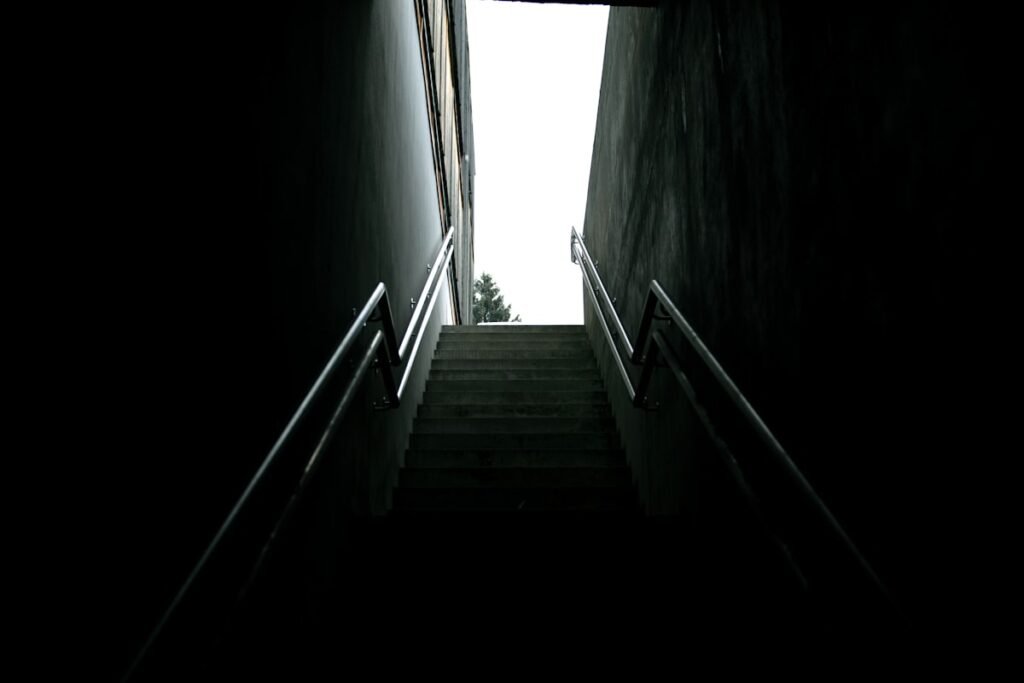
When homeowners in the Greater Boston area embark on a basement finishing project, the initial excitement often revolves around choosing the perfect flooring, designing a custom home theater, or planning a sleek new bar area. However, there is one critical architectural element that is frequently overlooked until the end of the project: the staircase. A professional basement staircase renovation is far more than a simple aesthetic update; it is a vital component in ensuring the safety, accessibility, and overall flow of your home. In this guide, we will explore why the staircase is the “handshake” between your main living levels and your newly finished basement and how to renovate it effectively.
Why the Staircase Matters in a Basement Remodel
The staircase is the first thing guests see when they head downstairs and the last thing you touch when you leave. In many older Boston homes, the original basement stairs were built as “utility stairs”—steep, narrow, and often lacking proper risers. They were designed for quick trips to the furnace or laundry, not for daily use as part of a finished living space.
By prioritizing a basement staircase renovation, you bridge the gap between “unfinished storage” and “living space.” A well-designed staircase makes the transition feel seamless, making the basement feel like a natural extension of your home rather than an afterthought.
Navigating Boston Building Codes and Safety
Safety is paramount when it comes to staircases. In Massachusetts, building codes for residential staircases are specific, covering everything from the height of the risers (typically no more than 8.25 inches) to the minimum tread depth (usually 9 inches) and the required headroom (minimum of 6 feet 8 inches).
During a renovation, an experienced contractor will evaluate if your existing stairs can be updated or if they need to be entirely rebuilt. Many older homes in neighborhoods like Lexington or Winchester have stairs that are technically “grandfathered in” but are dangerously steep. Rebuilding these stairs to modern standards during your basement layout planning is the best way to ensure the long-term safety of your family and guests.
Design Innovations: Beyond the Standard Steps
A staircase renovation offers a unique opportunity to inject style into your basement design. Here are some popular trends we are seeing in Boston renovations:
1. Open-Riser Designs
If your basement feels a bit dark or enclosed, an open-riser staircase can be a game-changer. By removing the vertical “back” of the steps, you allow light to pass through the stairs, creating an airy, modern look. This works exceptionally well in contemporary homes or industrial-style basement designs.
2. Integrated LED Lighting
Lighting is essential for safety, but it can also be a major design feature. Installing LED strips under each tread or recessed “steplights” along the wall creates a high-end look while ensuring that every step is clearly visible at night. This is particularly effective when paired with a comprehensive basement lighting design.
3. Railing Systems that Pop
Your choice of railing can dramatically change the vibe of the room. Glass railings provide an unobstructed view and make the space feel larger. On the other hand, black cable railings or custom wrought iron can add an industrial or traditional touch.
Maximizing Space: The Under-Stair Potential
In Boston, where every square foot counts, the area beneath your stairs is prime real estate. Rather than walling it off, consider:
- Built-in Storage: Custom drawers or shelving for seasonal decor.
- A Cozy Reading Nook: A perfect little escape for children or book lovers.
- The “Pet Palace”: A dedicated built-in bed or crate area for the family dog.
- Wine Storage: A climate-controlled wine rack or cabinet.
Material Selection for Durability and Style
Staircases endure a lot of foot traffic, so choosing the right materials is essential. While traditional oak is a perennial favorite for its durability and classic look, many homeowners are now choosing materials that match their basement flooring for visual continuity.
If you have installed luxury vinyl plank (LVP) in your basement, using matching stair treads ensures a cohesive look. It is also important to consider moisture resistance, as the bottom of the staircase is near the basement floor. For a deeper dive into the best products for your home, see our guide on smart basement material selection for Boston homeowners.
The Importance of Professional Execution
A staircase renovation is not a DIY project. It requires precise structural calculations and a deep understanding of load-bearing walls. A professional team will ensure that the stringers are securely anchored, the treads are level, and the railings meet all pull-test safety requirements.
Conclusion
Your basement staircase is the literal and figurative connection between your home’s past and its new, finished future. By investing in a professional basement staircase renovation, you enhance the safety of your home, improve its aesthetic appeal, and increase its overall market value. Don’t let your stairs be an afterthought—make them a highlight of your renovation project.