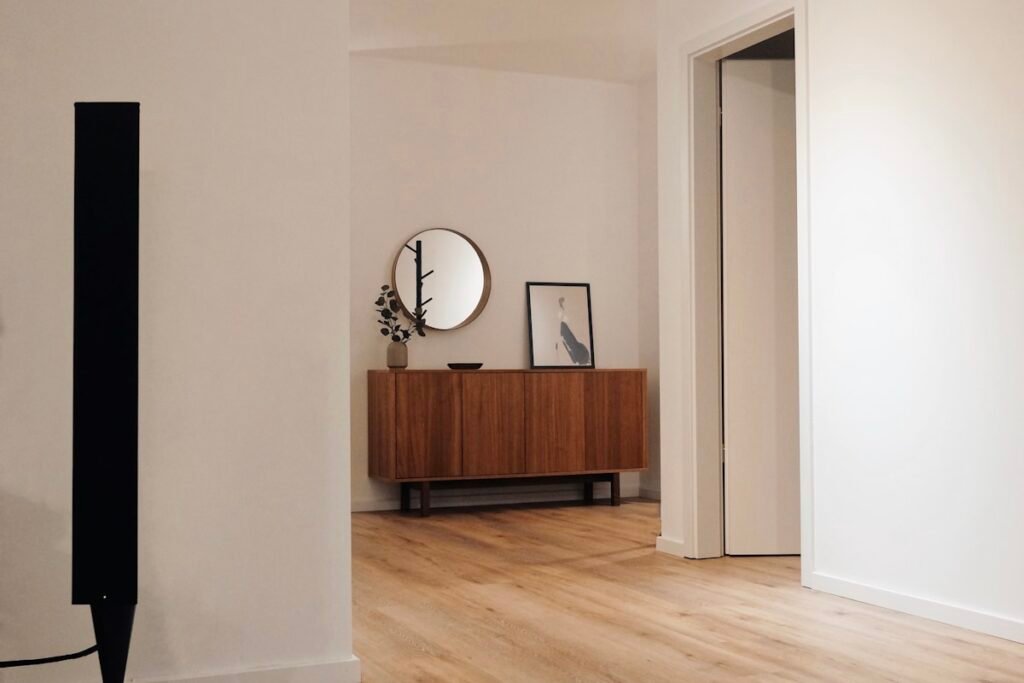
When transforming your basement from raw concrete to refined living space, wall finishing represents one of the most critical design decisions. The right approach not only enhances aesthetics but also addresses moisture management, insulation, and long-term durability—challenges particularly relevant to Boston’s climate and older housing stock.
Understanding Your Wall Finishing Options
Traditional drywall remains the most popular choice for basement walls, offering a smooth, paintable surface at a reasonable cost. However, Boston homeowners should consider several factors before defaulting to this standard approach. Our region’s high water tables and seasonal freeze-thaw cycles demand moisture-resistant solutions that protect your investment over decades, not just years.
Cement board provides excellent moisture resistance while maintaining the familiar drywall appearance. This material stands up exceptionally well to the humidity fluctuations common in New England basements, particularly in properties without comprehensive waterproofing systems.
Paneling systems have evolved dramatically from the wood-grain products of previous decades. Modern fiber-cement and composite panels offer sophisticated textures and colors while incorporating built-in moisture barriers. These systems often install more quickly than traditional drywall, reducing labor costs and project timelines.
The Moisture Management Factor
No wall finishing discussion is complete without addressing moisture control—the single most important consideration for basement longevity. Even in properly waterproofed basements, concrete walls continuously release water vapor as they cure and respond to seasonal temperature changes.
Installing a vapor barrier between the foundation wall and your finished surface creates essential protection against this persistent moisture. Six-mil polyethylene sheeting provides adequate protection for most applications, though some professionals recommend thicker products for maximum durability.
Air gaps between the foundation and finished wall allow moisture to escape rather than becoming trapped against your new surfaces. Furring strips create this essential space while providing attachment points for your chosen wall material. For optimal results, these strips should be pressure-treated lumber resistant to moisture damage.
Homeowners dealing with recurring dampness should address the root cause before installing finished walls. Professional basement waterproofing creates the dry environment necessary for any wall finishing system to perform as designed.
Insulation Integration
Wall finishing provides the perfect opportunity to upgrade your basement’s thermal performance. Properly insulated basement walls reduce heating costs, improve comfort, and prevent the condensation issues that lead to mold growth.
Rigid foam insulation boards attach directly to foundation walls, providing excellent R-value in minimal thickness. These products also serve as vapor barriers when joints are properly sealed, simplifying your moisture management strategy.
Spray foam insulation creates a seamless air and moisture barrier while delivering superior thermal performance. Though more expensive than rigid boards, spray foam’s ability to fill irregular spaces and seal around obstacles makes it particularly valuable in older Boston homes with fieldstone foundations.
Fiberglass batts remain the most economical insulation option when installed within a framed wall system. However, this approach requires careful vapor barrier installation and provides lower R-value per inch compared to foam alternatives.
Finishing Material Selection
Paint represents the most straightforward finishing option for drywall or cement board walls. Choose moisture-resistant primer and paint formulated specifically for below-grade applications. Semi-gloss and satin finishes resist moisture better than flat paints while remaining easy to clean.
Tile creates beautiful, completely waterproof wall surfaces ideal for basement bathrooms, bar areas, or feature walls. Modern large-format tiles minimize grout lines, reducing maintenance while delivering contemporary style. Proper waterproof membrane installation beneath the tile ensures long-term performance.
Wood paneling adds warmth and character but requires careful material selection for basement applications. Engineered wood products resist moisture better than solid wood while offering similar aesthetics. Always install wood paneling over adequate moisture barriers and insulation to prevent warping and mold growth.
Electrical and Mechanical Integration
Smart basement layout planning considers electrical and mechanical needs before finalizing wall finishing approaches. Running wiring, installing outlets, and positioning HVAC components becomes dramatically more difficult after walls are closed.
Plan outlet locations based on furniture placement and equipment needs. Boston building codes require GFCI protection for basement outlets, an important safety feature in potentially damp environments.
HVAC registers should be positioned to ensure proper airflow throughout your finished space. Coordinate wall finishing with your heating and cooling professional to integrate ductwork seamlessly into your design.
Recessed lighting requires adequate depth within your wall or ceiling assembly. Plan these elements early to avoid conflicts with insulation and framing.
Cost Considerations
Premium panel systems often include integrated moisture barriers and faster installation times. For homeowners prioritizing speed or maximum moisture protection, these systems offer excellent value despite higher upfront costs.
Professional installation ensures proper moisture management, insulation integration, and code compliance. While skilled DIY enthusiasts can tackle basement wall finishing, the stakes for moisture-related errors are particularly high in below-grade spaces. Professional installation typically pays for itself through avoided moisture problems and optimized thermal performance.
Timeline and Planning
Typical basement wall finishing projects require two to four weeks from preparation through final painting. This timeline assumes dry, prepared foundation walls and straightforward layouts. Complex projects involving significant electrical work, custom features, or moisture remediation may extend several weeks longer.
Schedule your project during dry weather when possible. Summer and early fall offer optimal conditions for addressing any exterior drainage issues before finishing interior walls.
Coordinate with other trades to minimize delays. Electrical, plumbing, and HVAC work should be completed and inspected before closing walls. Building inspectors typically require access to framing, insulation, and mechanical systems before permitting wall covering installation.
Making Your Decision
The ideal wall finishing approach balances moisture resistance, thermal performance, aesthetics, and budget. Boston’s unique climate and housing characteristics make moisture management and insulation particularly critical considerations that should influence material selection.
Consulting with experienced local contractors provides valuable insights into which systems perform best in your specific neighborhood. Professionals familiar with local soil conditions, water tables, and building characteristics can recommend solutions proven effective in Boston-area basements.
Investing in quality materials and professional installation creates livable, comfortable spaces that serve your family for decades. Cutting corners on moisture barriers or insulation leads to problems far more expensive than the original savings—problems that often require removing and replacing finished surfaces to correct properly.
Your basement represents significant untapped potential within your home. Thoughtful wall finishing transforms this space into comfortable, functional square footage that enhances your daily life while increasing property value. With the right approach, your finished basement becomes a true extension of your living space rather than merely a below-grade afterthought.