With housing costs continuing to rise across Greater Boston, more homeowners are discovering the financial benefits of converting their basements into rental units. A well-designed basement rental unit can generate steady income, increase your property value, and provide flexible housing options for your family. Whether you’re looking to offset your mortgage or create a long-term investment, this guide will walk you through everything you need to know about creating a legal, attractive, and profitable basement rental unit.
Understanding Boston’s Legal Requirements
Before beginning your basement rental unit project, it’s crucial to understand local zoning laws and building codes. In Boston and surrounding communities, basement apartments must meet specific requirements to be legally rented. These typically include minimum ceiling heights of 7 feet, proper egress windows for emergency exits, adequate ventilation, and separate utilities metering.
Most municipalities require special permits for accessory dwelling units (ADUs). Contact your local building department early in the planning process to understand what permits you’ll need. Working with experienced basement finishing contractors who understand local regulations can help streamline the approval process and ensure your project meets all code requirements from the start.
Essential Design Elements for Rental Units
A successful basement rental unit requires thoughtful design that maximizes both functionality and appeal. Start with proper waterproofing and moisture control—these are non-negotiable in New England basements. Install a comprehensive drainage system and consider a dehumidifier to maintain comfortable humidity levels year-round.
Effective basement lighting design transforms a dark, uninviting space into a bright, welcoming home. Layer different types of lighting—recessed ceiling lights for general illumination, task lighting in work areas, and accent lighting to highlight architectural features. Large windows or window wells with egress windows not only meet safety codes but also bring natural light into the space.
Creating a Functional Floor Plan
The layout of your basement rental unit should balance privacy, functionality, and efficient use of space. Most basement apartments include a bedroom, bathroom, kitchenette, and living area. Consider an open-concept design for smaller spaces to maximize the feeling of openness. Position the bedroom away from mechanical equipment to minimize noise, and ensure the bathroom has proper ventilation to prevent moisture issues.
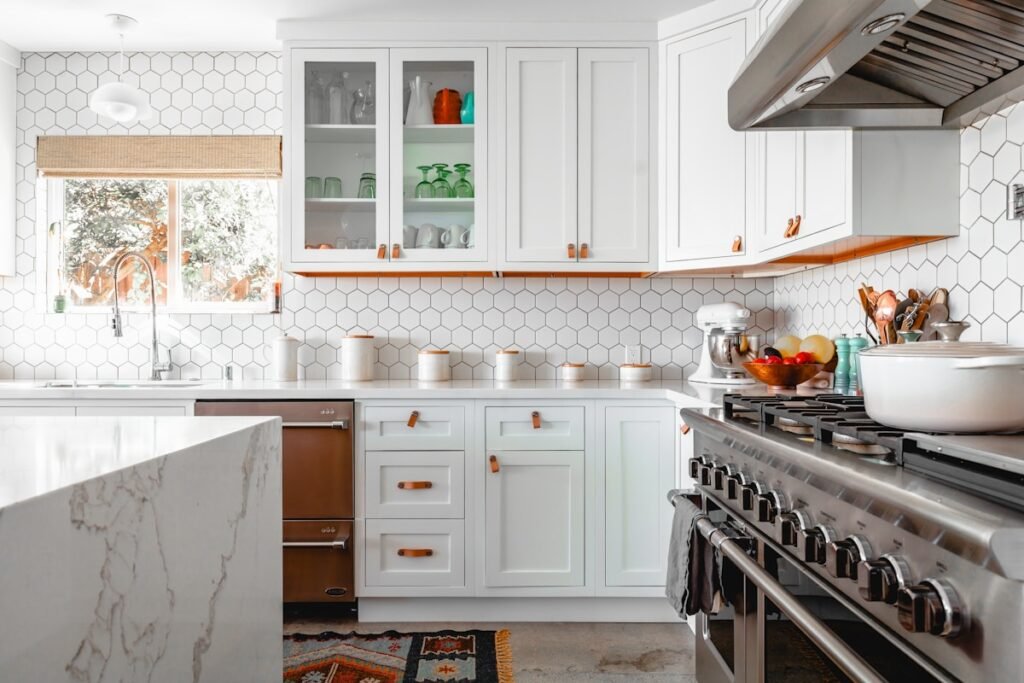
Kitchen areas don’t need to be elaborate—a compact kitchenette with a refrigerator, microwave, and small cooktop can be sufficient. If space allows, a full kitchen with standard appliances will attract a wider range of tenants and potentially command higher rent.
Sound Insulation and Privacy
Sound transmission between floors is one of the most common complaints in basement rental situations. Invest in quality sound insulation during construction. This includes insulated ceiling systems, resilient channels that decouple the ceiling from floor joists, and sound-dampening materials between floors. Address both airborne noise (voices, television) and impact noise (footsteps, dropped objects).
Privacy works both ways—your tenants deserve their own space, and you’ll appreciate the separation. Create a dedicated entrance whenever possible, even if it’s just a separate doorway. This psychological and physical boundary helps maintain a professional landlord-tenant relationship and provides both parties with independence.
Mechanical Systems and Utilities
Your basement rental unit needs independent climate control for tenant comfort and energy efficiency. This might mean adding a zone to your existing HVAC system or installing a mini-split heat pump system. Ensure adequate electrical capacity—basement apartments typically need their own breaker panel to handle modern appliances and electronics.
Consider separate utility metering for electricity, gas, and water if local codes allow. This simplifies rent calculations and ensures tenants pay for their own usage. Even if separate metering isn’t feasible, factor utility costs into your rental price to avoid unexpected expenses.
Safety Features and Building Codes
Safety should be your top priority when creating a basement rental unit. Install interconnected smoke detectors and carbon monoxide alarms throughout the space. Egress windows are legally required in bedrooms—these must be large enough for emergency escape and rescue operations. Install proper fire-rated materials between the rental unit and the rest of your home to meet fire safety codes.
Ensure staircases meet code requirements for width, headroom, and railing height. Add adequate lighting to all stairways and exits. Consider installing emergency lighting that activates during power outages to illuminate escape routes.
Maximizing Rental Income Potential
The quality of your basement renovation directly impacts rental income. Higher-end finishes—like luxury vinyl plank flooring, granite countertops, and modern fixtures—allow you to charge premium rent and attract quality tenants. However, balance your investment with realistic rental rates in your area. Research comparable rentals to understand market rates and tenant expectations.
Include desirable amenities where budget allows. In-unit laundry, included utilities, off-street parking, and dedicated storage space all justify higher rents. Smart home features like keyless entry, programmable thermostats, and security cameras appeal to tech-savvy renters while providing you with convenient property management tools.
Timeline and Budget Considerations
Converting a basement into a legal rental unit typically takes 3-6 months, depending on the scope of work and permit approval times. Budget realistically—while costs vary widely based on your location and specifications, expect to invest $50,000-$100,000 for a quality conversion that meets all codes and includes modern amenities.
Factor in permit fees, architect or designer costs, and potential unexpected expenses like plumbing relocation or electrical service upgrades. Get detailed quotes from licensed contractors and build a 10-15% contingency into your budget for surprises that often arise during basement renovations.
Finding and Managing Tenants
Once your basement rental unit is complete, develop a clear rental strategy. Screen tenants thoroughly—check references, verify employment, and run credit and background checks. Create a comprehensive lease agreement that clearly defines responsibilities, rent payment terms, and house rules.
Establish boundaries while maintaining good communication. Regular property inspections (with proper notice) help catch maintenance issues early. Consider requiring renters insurance to protect tenant belongings and provide liability coverage. Building a positive landlord-tenant relationship leads to longer tenancy periods and fewer vacancies.
Long-Term Investment Value
A basement rental unit represents more than immediate rental income—it’s a long-term investment in your property. Homes with legal rental units typically sell at a premium, appealing to investors and multigenerational families. The rental income can help you qualify for larger mortgages or provide retirement income.
Maintain detailed records of all improvements and expenses for tax purposes. Rental income is taxable, but you can deduct related expenses including mortgage interest (proportional to rental space), property taxes, insurance, utilities, maintenance, and depreciation. Consult with a tax professional to maximize these benefits.
Getting Started with Your Project
Creating a basement rental unit is a substantial but rewarding project. Start by consulting with local building officials to understand requirements in your area. Work with experienced contractors who have completed similar projects and can navigate the permitting process efficiently.
Develop a realistic budget and timeline, allowing extra time for unexpected delays. Quality construction pays dividends through lower maintenance costs, satisfied tenants, and higher property values. With proper planning and execution, your basement rental unit can provide reliable income and increased home value for years to come.