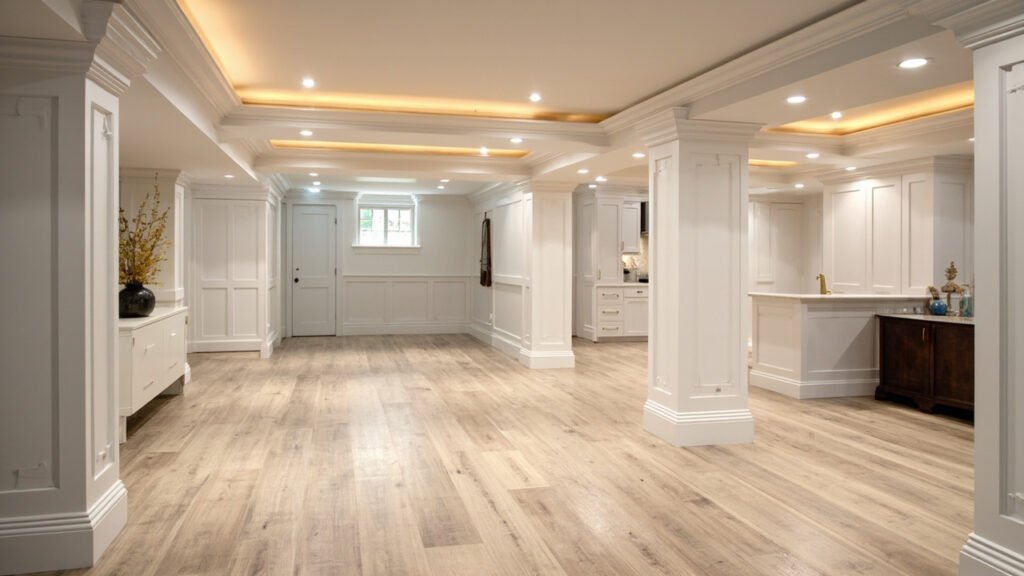
Thinking about converting your basement into a home gym? You’re not alone. More Greater Boston homeowners are discovering that their below-grade space offers the perfect spot for a private workout area—no gym memberships required, no commute necessary. Whether you’re into heavy lifting, yoga, cardio, or all of the above, a basement home gym gives you dedicated space to train on your own schedule.
But basement gyms come with unique considerations, especially in our region. From older homes in Newton and Wellesley to the varied housing stock across Quincy and Braintree, every basement has its own character and challenges. Understanding what’s involved helps you plan smarter and avoid surprises along the way.
Why Basements Make Great Home Gyms
Basements offer advantages that above-ground rooms simply can’t match. The ground below acts as natural insulation, keeping temperatures more stable year-round. Sound dampens more easily in below-grade spaces, which means you can crank up the music or drop weights without disturbing the whole house. And because basements already exist in most homes, you’re not losing square footage from your living areas.
For Boston-area homeowners, a basement gym also means you’re using space that might otherwise go underutilized. That dark storage area can become your personal fitness sanctuary.
Key Features to Plan for Your Basement Gym
Every home gym has different needs based on the workouts you’ll do. However, most basement gyms benefit from these essential elements:
- Flooring: Rubber flooring tiles or rolled rubber provide cushioning for weights and high-impact exercises. LVP (luxury vinyl plank) works well for cardio zones where you’ll want a harder surface.
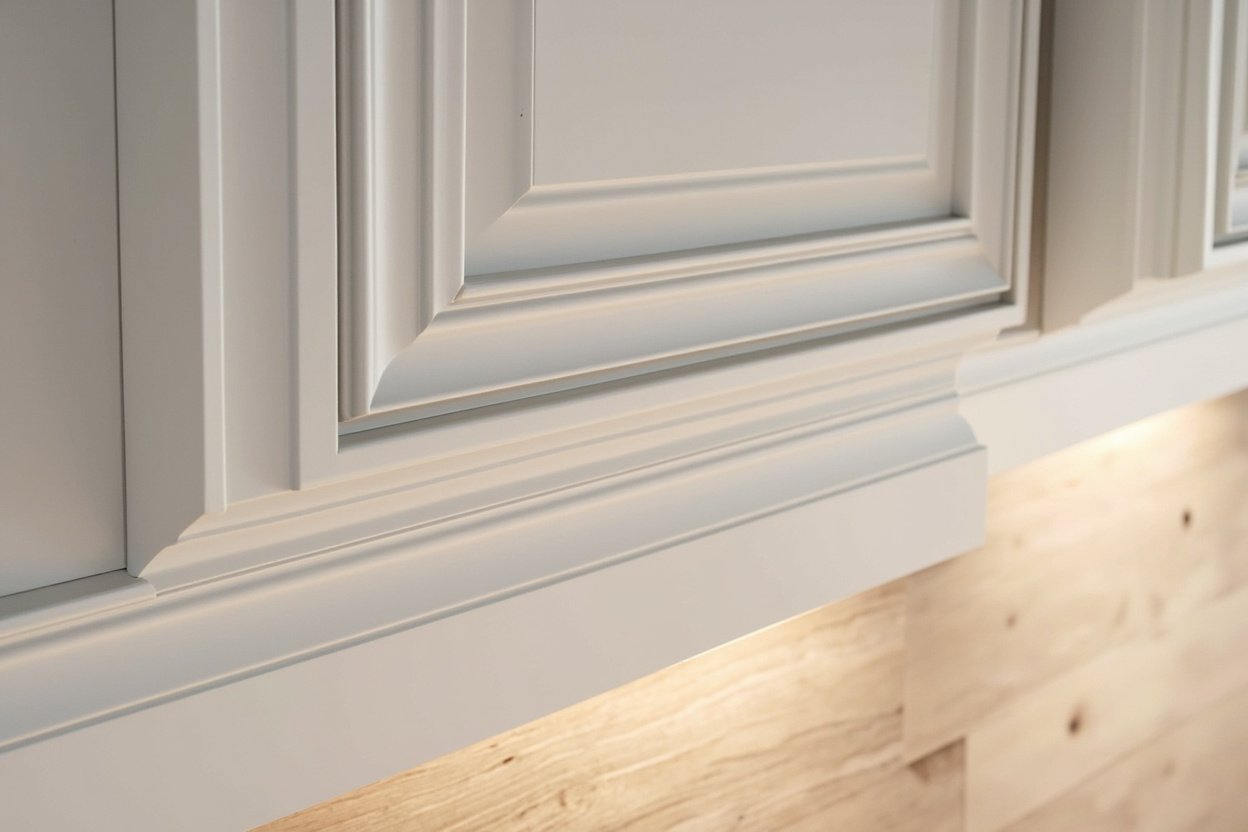
- Wall mirrors: Essential for form checks during strength training and yoga. Your contractor can frame mirrors with finishing trim for a polished look.
- Storage: Built-in cubbies or wall-mounted racks keep equipment organized and off the floor.
- Ventilation: Proper air circulation prevents moisture buildup and keeps your space fresh during intense workouts.
- Lighting: Recessed LED fixtures brighten the space without taking up ceiling height. Consider dimmable options for yoga or stretching.
Special Considerations for Boston-Area Basements
Homes in Greater Boston range from classic Victorians in Brookline to mid-century ranches in Wayland to newer construction in Burlington. Each brings different challenges for basement finishing:
- Ceiling height: Many older homes have lower basements—sometimes under 7 feet. Your contractor can recommend ceiling solutions like drop ceilings with slim profiles or soffit work to maximize headroom while concealing ductwork.
- Moisture management: New England basements face humidity challenges, especially in summer. Proper insulation, vapor barriers, and dehumidification keep your gym comfortable and protect equipment from moisture damage.
- Egress requirements: If your basement will serve as a finished living space, building codes may require an egress window or exterior access. This adds cost but also increases safety and resale value.
- Foundation conditions: Cracks, water intrusion, or drainage issues should be addressed before finishing. A quality contractor inspects these areas as part of the scope.
Working with a basement specialist means these factors get evaluated upfront, not discovered mid-project.
The Basement Home Gym Finishing Process
When you hire a basement finishing contractor, the work typically follows a structured process:
- Assessment and planning: We evaluate your basement’s condition, discuss your workout needs, and develop a layout that maximizes the space.
- Framing and structural work: Walls are framed to your gym design, with attention to any needed soffits or bulkheads.
- Insulation and moisture control: Below-grade walls get proper insulation and vapor barriers tailored to your foundation type.
- Electrical and plumbing: Licensed electricians handle outlets, lighting circuits, and any dedicated circuits for heavy equipment. If you’re adding a basement bathroom or changing rooms, plumbers handle those systems.
- Drywall and finishing: Walls are taped, mudded, sanded, and painted. Trim work completes the look.
- Flooring installation: Your chosen flooring gets installed—rubber mats in the main gym area, LVP or tile in transition zones.
- Final inspection and walkthrough: We review the finished space with you, ensure everything works, and answer questions.
The exact timeline depends on your project’s scope and whether any unexpected issues arise—but a clear scope upfront helps everything proceed smoothly.
Making Your Basement Gym Feel Professional
You don’t need a commercial space to get professional results. With thoughtful design, your basement gym can feel like a high-end fitness studio:
Lighting sets the mood. Combine overhead recessed lights with wall-mounted fixtures or LED strips behind mirrors. Good lighting makes the space feel larger and more inviting.
Color matters. Lighter paint colors open up below-grade spaces. Consider an accent wall in your favorite energizing color.
Climate control. A dedicated HVAC zone or supplemental heating/cooling keeps your gym comfortable year-round. This matters more in basements, where temperatures can feel different from the rest of the house.
Sound considerations. Acoustic panels on walls reduce echo and contain noise—helpful if you’re in an in-law suite or above a finished living space.
Is Your Basement Ready for a Home Gym?
If your basement has good structural integrity and reasonable ceiling height, you’re likely a strong candidate for finishing. Even basements with limited headroom or moisture history can work—we’ve finished spaces throughout Needham, Lexington, Weston, Acton, and beyond, and every project has its own solution.
The first step is a no-obligation consultation where we assess your space, discuss your goals, and provide honest feedback about what’s possible.
Ready to transform your basement? Visit our basement finishing page or call (857) 666-8643 for a Free, no-obligation estimate
When planning your basement home gym contractor, focus on proper scope definition, moisture management, and selecting materials suited for below-grade spaces.