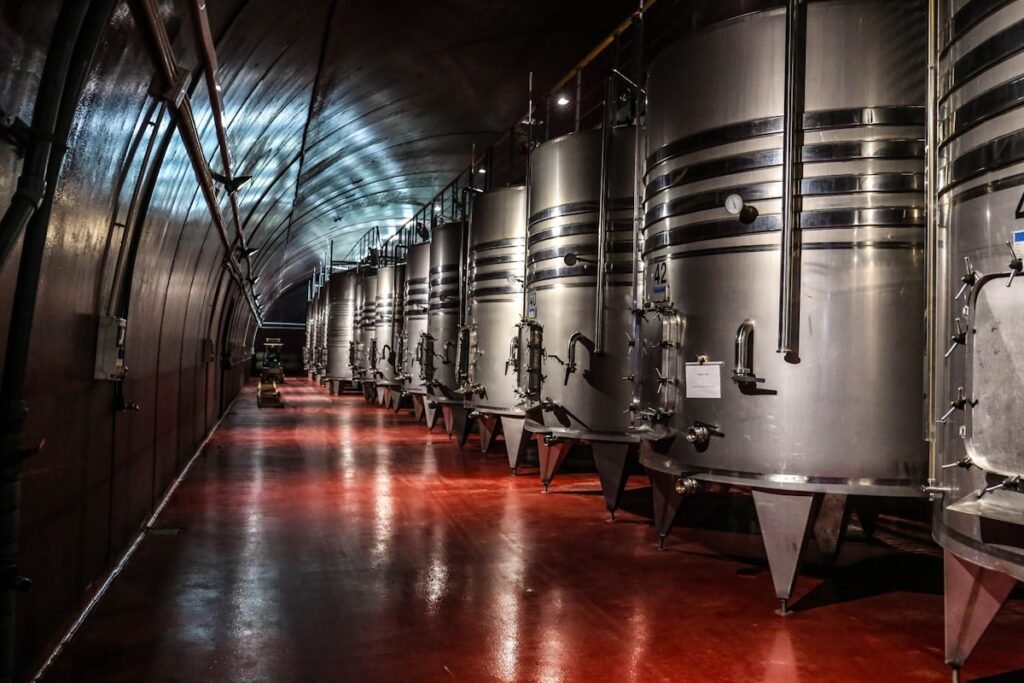
A basement wine cellar is more than just storage—it’s a statement of lifestyle and a smart investment for Boston homeowners who love wine. Whether you’re a casual collector or a serious enthusiast, transforming a corner of your basement into a dedicated wine space adds value, function, and elegance to your home.
Why a Basement Wine Cellar Makes Sense in Boston
Boston’s climate makes basements ideal for wine storage. Unlike hot kitchens or fluctuating room temperatures, a below-grade space naturally maintains cooler temperatures year-round. With some strategic insulation and climate control, your basement becomes the perfect environment to preserve wine’s delicate flavors and aromas.
New England winters can be harsh, but your wine collection stays safe underground. A properly conditioned wine cellar keeps temperatures steady between 55°F and 58°F—the ideal range for long-term wine storage. Humidity levels around 60-70% prevent corks from drying out and protect labels from deterioration.
Planning Your Wine Cellar Design
Before diving into construction, assess your collection size and future needs. Ask yourself: How many bottles do I want to store? Do I need space for a tasting area? Will I install a dedicated refrigeration system or rely on passive cooling?
For small collections of 50-100 bottles, a conditioned corner with tracker racks works beautifully. Larger ambitions—a dedicated room for 500+ bottles—require professional HVAC design and waterproofing. Either way, start with a clear vision and work backward to practical requirements.
Essential Features of a Quality Wine Cellar
Lighting sets the mood but must never heat your collection. LED strips in warm tones create ambiance without raising temperatures. Avoid fluorescent lights, which emit UV rays that can damage wine over time.
Racking systems come in various materials. Wood racks—typically mahogany, walnut, or redwood—offer classic aesthetics and bottle support. Metal racks provide a modern look and maximize density. Whatever you choose, ensure bottles are stored horizontally to keep corks moist.
Climate control is non-negotiable in New England. A dedicated wine cooling unit maintains consistent temperature and humidity regardless of outside conditions.
Building for Value and Enjoyment
A well-designed basement wine cellar typically recoups 70-80% of its cost in home value appreciation. Beyond financial returns, the daily enjoyment of a beautiful, functional wine space delivers intangible value that far exceeds the investment.
Consider adding a tasting nook—perhaps a small counter with bar stools and proper glassware storage. This transforms your cellar from pure storage into a destination within your home, perfect for intimate gatherings or quiet evenings sampling your collection.
For Boston homeowners, working with local contractors familiar with New England building codes ensures your wine cellar meets all permit requirements while delivering the quality your collection deserves.
Start your transformation today, and raise a glass to the room you’ve always wanted.