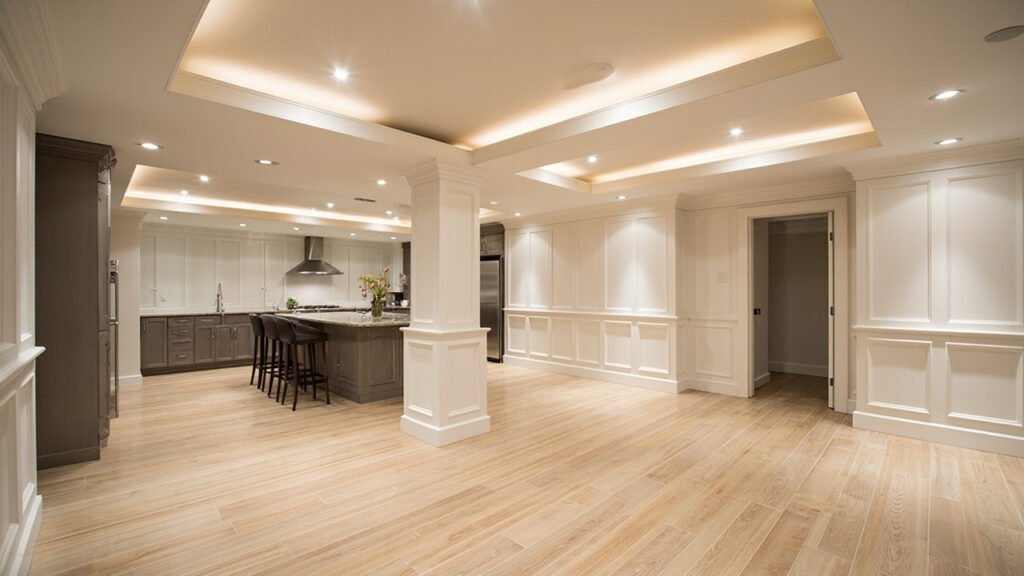
Thinking about adding a wet bar to your basement? You’re not alone. More homeowners across Greater Boston—from Newton to Lexington to Wellesley—are discovering that a professionally installed basement wet bar transforms underutilized square footage into a centerpiece for entertaining, family gatherings, and everyday enjoyment. Before you start shopping for bar stools and mini fridges, let’s walk through what a quality wet bar installation involves and how to set your project up for success.
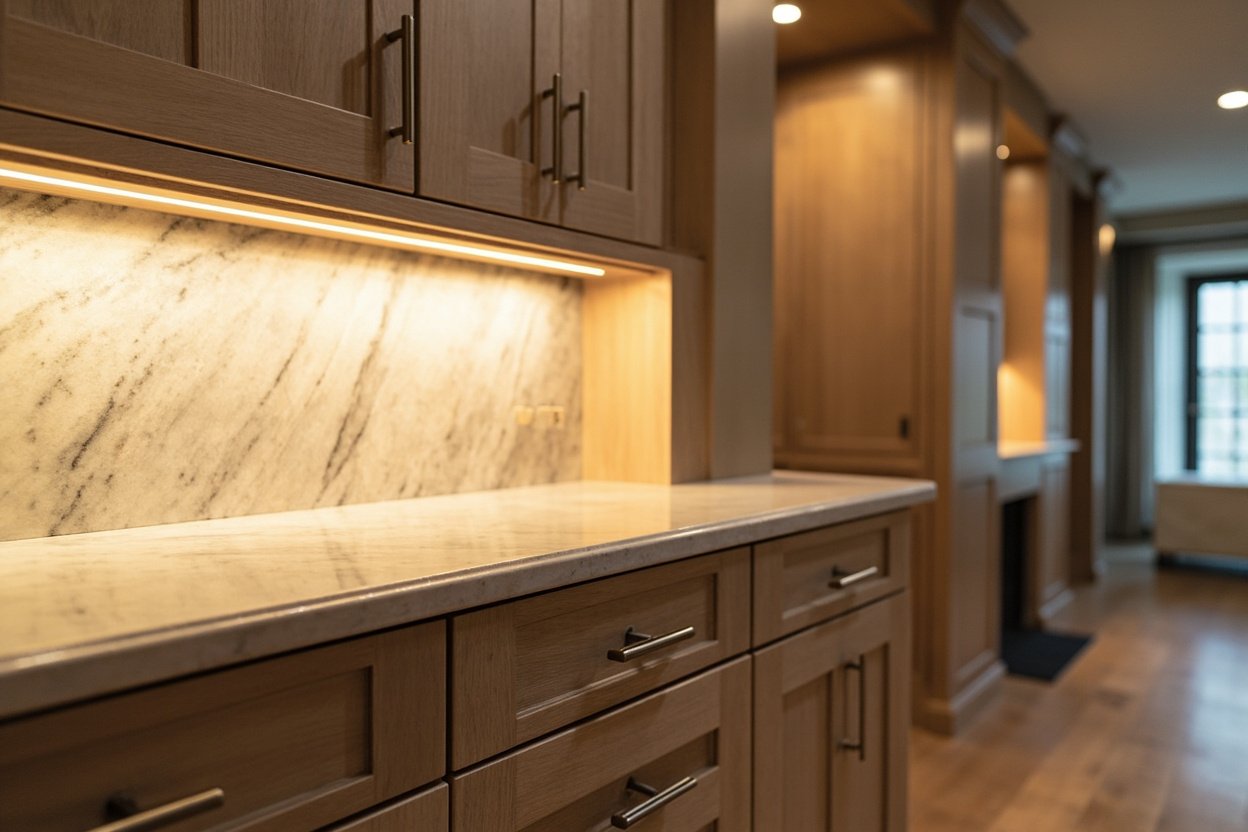
Why Consider a Basement Wet Bar?
A basement wet bar isn’t just about having a place to mix drinks—it’s about reclaiming your lower level and creating a space that works as hard as the rest of your home. Whether you’re finishing a basement in a colonial in Weston, a ranch-style home in Wayland, or a newer build in Burlington, a wet bar adds functionality that appeals to families, entertaining hosts, and anyone who wants their home to do more.
Common benefits include:
- Creating a dedicated entertaining zone separate from your main kitchen
- Adding value to your home with a desirable finished space
- Reducing foot traffic upstairs during gatherings
- Designing a custom look that reflects your style
- Accommodating multigenerational households or in-law suites
Water and Moisture: The Reality for Boston Basements
Here’s where things get serious for Greater Boston homeowners. Basements sit below grade, which means they’re naturally more prone to moisture intrusion than above-ground spaces. Older homes in Brookline, Westwood, and Quincy often have foundation walls that weren’t built with modern waterproofing standards. Newer construction in areas like Braintree and Natick may perform better, but no basement is completely immune to humidity fluctuations.
A quality wet bar installation accounts for this reality:
- Moisture-resistant materials throughout the bar area and surrounding walls
- Proper ventilation planning for any plumbing connections
- Waterproof flooring solutions that handle occasional spills without damage
- Sealed countertop options that won’t warp or stain
- Framing treated for below-grade conditions rather than standard lumber
Your contractor should evaluate your basement’s moisture profile before specifying materials or designing plumbing runs. This isn’t a step to skip—it’s the foundation of a wet bar that lasts.
Plumbing Considerations for Your Wet Bar
Unlike a dry bar (which is essentially a cabinet and countertop setup), a wet bar requires water supply and drain connections. This means plumbing work, which is where professional installation becomes essential. Licensed plumbers handle the rough-in work, ensuring connections meet local codes and function reliably.
Typical plumbing elements include:
- Hot and cold water supply lines routed to a bar sink
- Drain connections properly vented to prevent odors
- Shut-off valves for easy maintenance
- Potential for mini hot water heaters if desired for instant warm water
The location of your existing plumbing infrastructure significantly impacts project scope. If your basement bathroom or laundry hookup is nearby, connecting your wet bar may be straightforward. Basements with limited existing plumbing require more extensive routing, which your contractor should explain clearly during the estimating process.
Electrical Needs for Basement Wet Bars
A beautiful bar setup does more than look good—it needs to function. Modern wet bars typically require electrical attention beyond basic overhead lighting. Think about what you’ll want nearby:
- Dedicated circuits for beverage refrigerators or wine coolers
- Under-cabinet lighting for ambiance and task visibility
- GFCI outlets near the sink for code compliance and safety
- Potential wiring for TVs, sound systems, or smart home controls
Basement Finishing of Boston brings licensed electricians for all trade work, ensuring your wet bar has the power infrastructure to support your entertaining vision safely and reliably.
Ceiling Height and Space Planning in Boston Homes
Space planning matters enormously in basement wet bar installations. Many Greater Boston homes—particularly older Colonials and mid-century builds in Lexington, Wellesley, and Newton—have basement ceilings lower than today’s standard. This affects everything from cabinet heights to beverage refrigerator selection to whether you can accommodate a full sink.
Your contractor should discuss options such as:
- Dropped ceilings with integrated lighting for a polished look
- Exposed beams or ductwork as design features
- Custom-height base cabinets that maximize usable space
- Compact sink options for tighter layouts
Egress and Safety Requirements
Greater Boston municipalities, including Brookline, Quincy, and surrounding communities, enforce specific egress requirements for finished basements. If your wet bar is part of a broader basement finishing project, window wells, emergency exits, and proper ventilation all come into play.
A professional basement-specialist contractor understands local code requirements and ensures your finished space meets safety standards. This isn’t bureaucracy—it’s protecting your family and ensuring your investment is sound.
Designing Your Wet Bar to Match Your Lifestyle
Once the technical foundations are in place, the fun begins. Your wet bar should reflect how you actually live. Consider whether you want:
- Open shelving for easy access and display space
- Wine storage with temperature-controlled zones
- Pull-out trash and recycling for entertaining convenience
- Glass rack storage overhead
- Pendant lighting for ambiance
The best wet bars balance aesthetics with practicality. Your contractor walks you through material selections—quartz versus granite countertops, shaker-style versus modern cabinet doors, tile versus stone backsplashes—that fit both your style and your budget.
Working with a Basement Specialist
Not all contractors understand the unique challenges of below-grade spaces. Basement Finishing of Boston specializes exclusively in basement finishing and remodeling across Greater Boston. This focus means we’ve seen every moisture challenge, ceiling height constraint, and layout limitation the region has to offer. We bring that experience to your project—along with licensed electricians and plumbers, a commitment to clean job sites, and clear communication throughout your remodel.
We’re proud to serve homeowners throughout the greater Boston area, from Bedford to Weston, Acton to Needham. Every neighborhood has its own housing stock characteristics, and we’ve finished basements in them all.
Ready to transform your basement? Visit our basement finishing page or call (857) 666-8643 for a Free, no-obligation estimate
When planning your basement wet bar installation, focus on proper scope definition, moisture management, and selecting materials suited for below-grade spaces.