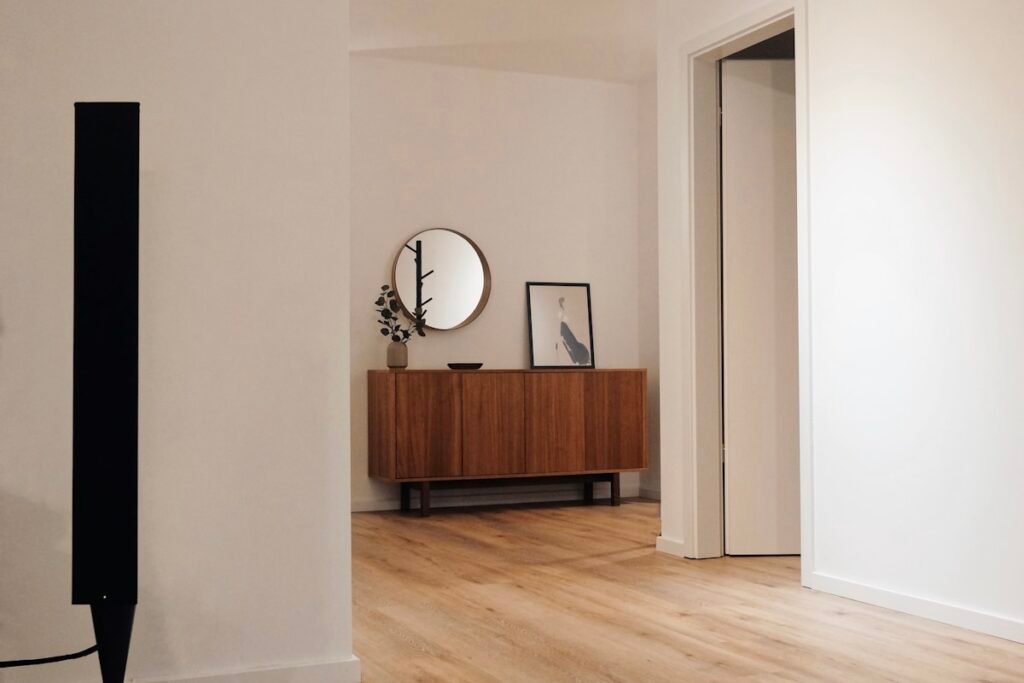
# Basement Wall Finishing: Transform Your Boston Home’s Foundation
When it comes to basement remodeling, wall finishing is often the most transformative element of the project. Properly finished walls not only enhance the aesthetic appeal of your underground space but also improve insulation, moisture control, and overall functionality. For Boston homeowners looking to maximize their basement potential, understanding the wall finishing process is essential.
## Why Basement Wall Finishing Matters
Unfinished basement walls are more than just an eyesore—they represent missed opportunities for comfort, energy efficiency, and home value. Raw concrete or masonry walls allow moisture infiltration, create cold spots during New England winters, and limit your design possibilities. Professional wall finishing addresses these concerns while creating a polished, livable environment.
The benefits extend beyond appearances. Properly finished walls provide an additional barrier against moisture, reduce energy costs through improved insulation, and create surfaces suitable for paint, wallpaper, or decorative treatments. In Boston’s climate, where freeze-thaw cycles and seasonal moisture are constant challenges, quality wall finishing is a practical investment.
## Popular Wall Finishing Options
### Drywall Installation
Traditional drywall remains the most popular choice for [basement finishing projects](https://blog.basementfinishingofboston.com). It offers a smooth, paintable surface at a reasonable cost. However, basement applications require moisture-resistant drywall and proper framing techniques to prevent issues. We typically install pressure-treated or metal framing slightly away from foundation walls, creating an air gap that prevents moisture transfer.
The installation process involves furring out the walls, adding insulation, installing vapor barriers where appropriate, and hanging moisture-resistant drywall panels. Proper taping, mudding, and finishing create seamless walls ready for your chosen finish treatment.
### Panel Systems
Basement-specific panel systems have gained popularity due to their moisture resistance and ease of installation. These interlocking panels—often made from composite materials or moisture-resistant substrates—install directly over foundation walls without traditional framing. Many systems include built-in insulation and finished surfaces, streamlining the renovation process.
While panel systems typically cost more than drywall, they offer advantages in moisture-prone environments. The materials won’t support mold growth, won’t deteriorate if exposed to occasional dampness, and require minimal maintenance over time.
### Hybrid Approaches
Many Boston basement projects benefit from hybrid wall finishing strategies. We might use moisture-resistant panels on exterior foundation walls while employing traditional drywall on interior partition walls. This approach balances cost considerations with performance requirements, putting premium materials where they matter most.
## Preparing Your Basement Walls
Successful wall finishing begins with proper preparation. Before any finishing materials go up, we address several critical factors:
**Moisture Assessment:** We evaluate your basement’s moisture situation through visual inspection and moisture testing. Any active water infiltration requires correction before wall finishing proceeds. This might involve exterior drainage improvements, foundation sealing, or interior waterproofing systems.
**Surface Repair:** Foundation walls often show cracks, spalling, or other damage. We repair these issues using appropriate materials—epoxy injection for structural cracks, hydraulic cement for smaller defects, and surface coatings for porous masonry.
**Insulation Planning:** Boston’s climate demands basement insulation for comfort and energy efficiency. We determine appropriate R-values based on your intended use and local building codes, then select insulation types compatible with your chosen wall finishing system.
## The Installation Process
Professional basement wall finishing follows a systematic approach that ensures quality results:
First, we frame walls using pressure-treated lumber or metal studs, maintaining proper spacing from foundation walls. This creates channels for utilities, provides insulation space, and prevents direct contact between framing and potentially damp foundation surfaces.
Next comes insulation installation. We use closed-cell spray foam, rigid foam boards, or batt insulation depending on your specific situation. Proper insulation placement is crucial—it must prevent moisture accumulation while meeting energy code requirements.
Vapor barriers receive careful attention. In basement applications, vapor barrier placement depends on your wall assembly and climate zone. Boston’s mixed-humid climate requires thoughtful vapor management to prevent condensation issues.
Finally, we install your chosen wall finishing material. Whether drywall, panels, or another system, proper installation techniques ensure long-term performance. Attention to details—like seam placement, fastener patterns, and expansion gaps—makes the difference between amateur and professional results.
## Design Considerations
Wall finishing choices impact your [basement design possibilities](https://blog.basementfinishingofboston.com/finished-basement-ideas-for-boston-homeowners-transform-your-underground-space/). Smooth drywall surfaces accommodate any paint color or wallpaper pattern. Textured panels add dimensional interest while hiding minor imperfections. Some homeowners incorporate accent walls using wood planks, stone veneer, or other specialty materials.
Color selection influences how your finished basement feels. Lighter colors help combat the naturally low light levels in underground spaces. However, strategic use of darker accent walls can create cozy, intimate areas within larger basement rooms.
Don’t overlook the junction between walls and other surfaces. Proper trim work around ceilings, floors, windows, and doors provides visual polish while covering necessary expansion gaps.
## Common Challenges and Solutions
**Bowing or Uneven Foundation Walls:** Many older Boston homes have foundation walls that bow inward or show significant irregularities. Furring strips or adjustable framing systems can accommodate these variations, creating plumb, level finished walls despite imperfect foundations behind them.
**Mechanical Obstacles:** Basement walls often host electrical panels, plumbing cleanouts, gas lines, and other utilities. Professional installers work around these elements, creating access panels where needed while maintaining clean, finished appearances.
**Moisture Management:** Even with proper waterproofing, basements may experience occasional dampness. Using appropriate materials—moisture-resistant drywall, mold-resistant insulation, and drainage-friendly framing techniques—provides insurance against moisture-related failures.
## Maintenance and Longevity
Properly finished basement walls require minimal maintenance but benefit from periodic inspection. Watch for signs of moisture intrusion, such as water stains, musty odors, or peeling paint. These symptoms indicate problems requiring attention before they cause extensive damage.
Keep finished walls clean using appropriate methods for your surface type. Most painted drywall tolerates gentle cleaning with mild detergent solutions. Panel systems often clean easily with damp cloths. Avoid excessive moisture during cleaning—basements already face moisture challenges without adding more.
## Making Your Investment Count
Quality basement wall finishing represents a significant investment in your home’s comfort and value. Working with experienced professionals ensures your project addresses both immediate aesthetic goals and long-term performance requirements. The right approach to wall finishing creates basement spaces you’ll enjoy for decades while protecting your home’s foundation and structure.
Whether you’re creating a family recreation area, home office, or rental unit, professional wall finishing provides the foundation for your vision. In Boston’s demanding climate, proper techniques and quality materials make the difference between a successful basement renovation and future headaches.
—
*Considering basement wall finishing for your Boston-area home? Professional assessment ensures your project addresses your specific conditions and goals. Quality wall finishing transforms dark, uninviting basements into comfortable, functional spaces that enhance your home’s livability and value.*