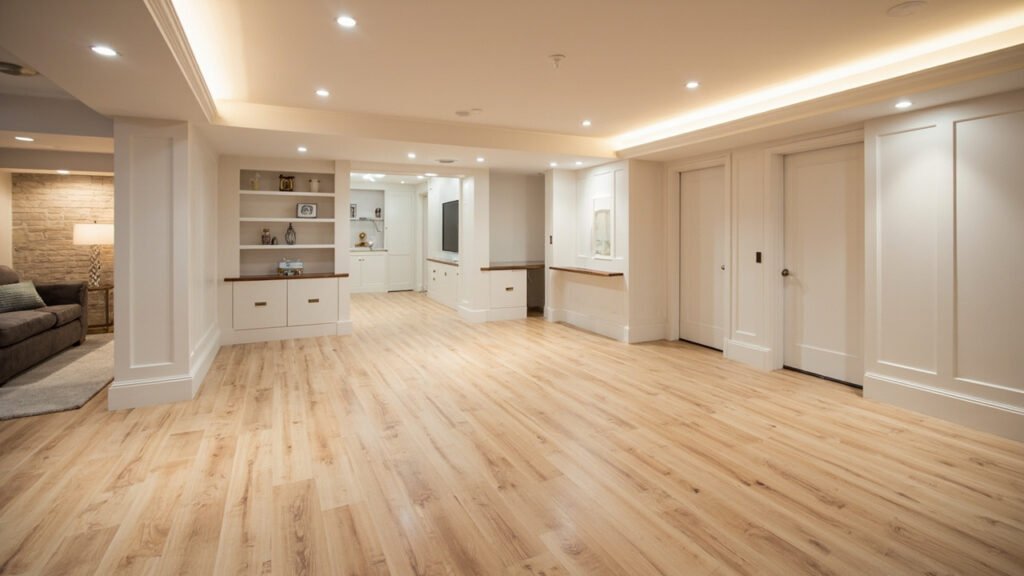
Is your basement collecting dust and forgotten holiday decorations? For Greater Boston families living in Newton colonials, Lexington capes, or Wellesley split-levels, an unfinished basement represents untapped potential. A well-designed basement playroom gives your kids a dedicated space to explore, create, and burn off energy—while keeping the rest of your home tidier. At Basement Finishing of Boston, we help homeowners across Needham, Brookline, Quincy, and surrounding communities turn these below-grade spaces into functional family rooms that meet local building requirements.
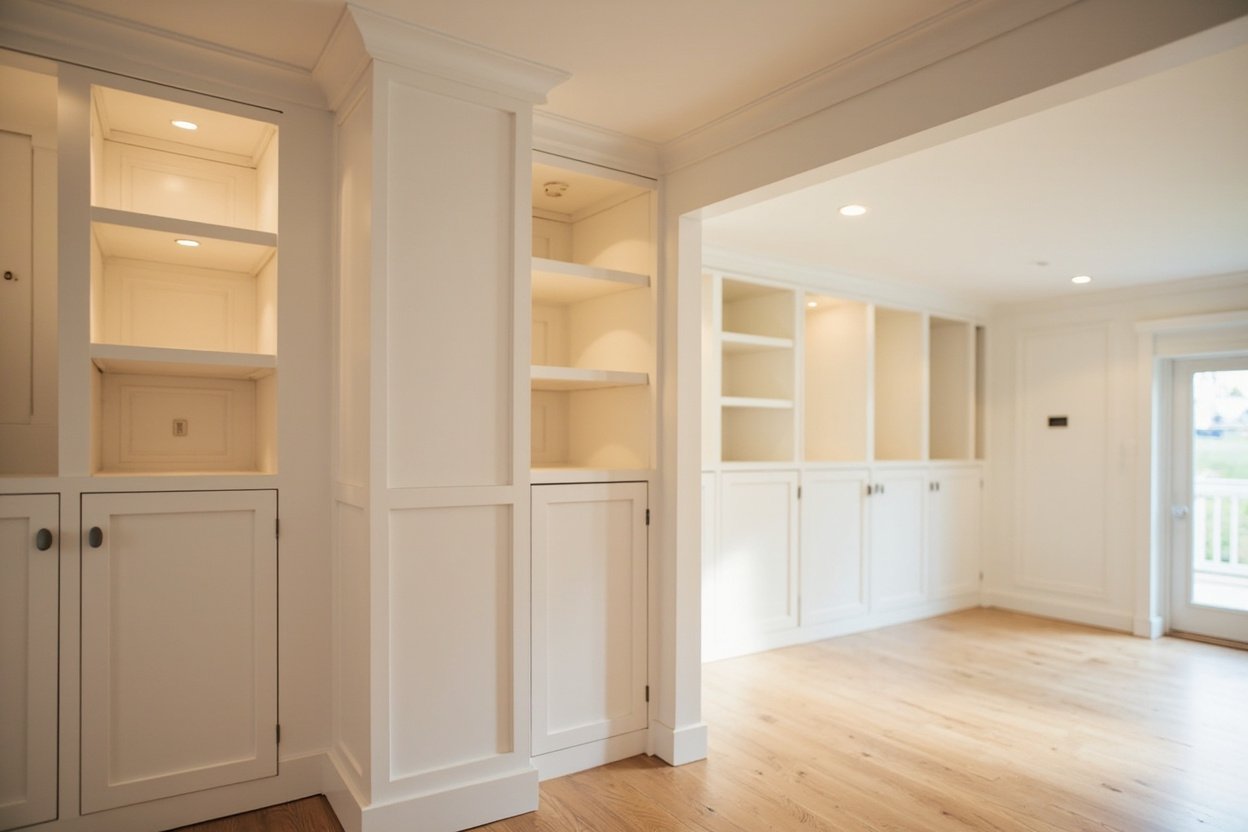
Why Basements Make Exceptional Playrooms in Greater Boston
New England weather keeps kids indoors more often than we’d like. A basement playroom provides weatherproof entertainment regardless of rain, snow, or bitter winter temperatures. Beyond weather protection, basements offer unique advantages:
- Separation from living areas: Keep toys, art supplies, and noise contained away from main living spaces
- Flexibility for growth: Playrooms easily convert to home offices, teen hangouts, or guest areas as your family evolves
- Safety from moisture: Professional basement finishing addresses the moisture concerns that make below-grade spaces challenging
- More square footage: Add valuable living space without the cost of a home addition
Older Boston-area homes often have generous basement dimensions, making them ideal candidates for finishing projects. Many homes in Weston, Bedford, and Burlington have basements large enough to accommodate multiple activity zones.
Moisture-Safe Design for Boston Basement Playrooms
Moisture management ranks as the most critical consideration when finishing a below-grade space in Greater Boston. Our New England climate—with humid summers and freeze-thaw cycles—creates unique challenges for basement environments. Without proper moisture mitigation, basements can develop mold, mildew, and musty odors that make play spaces unhealthy.
Our professional approach addresses moisture concerns through several strategies:
- Moisture barrier installation: Interior vapor barriers prevent ground moisture from entering your living space
- Proper insulation: Rigid foam or spray foam insulation maintains consistent temperatures and reduces condensation
- Subfloor solutions: Dricore or similar subfloor systems create a moisture barrier between concrete and finished flooring
- Mechanical ventilation: Strategic dehumidification maintains healthy humidity levels year-round
Before any finishing work begins, we assess your basement’s specific moisture conditions. This evaluation determines the exact specifications needed for your project, ensuring your children’s playroom stays dry and comfortable for decades.
Working With Ceiling Height in Classic New England Homes
Ceiling height presents a common challenge in Boston-area basements. Many homes built before 1970 feature basement ceiling heights below modern building code minimums. Current Massachusetts residential codes generally require a minimum ceiling height of seven feet for habitable spaces, though local amendments vary by municipality.
Our team has experience navigating these requirements across Greater Boston communities. Several approaches help maximize your basement’s potential:
- Dropped ceiling systems: Acoustic ceiling tiles provide easy access to pipes and wiring while meeting height requirements
- Exposed beam finishes: Mechanical and structural elements can become design features rather than obstacles
- Partial-height finishing: Strategic zoning allows activity areas in taller sections while accommodating lower ceiling zones
- Egress considerations: Bedroom and sleep areas require specific ceiling heights that differ from general recreation spaces
During your free consultation, we measure your space and discuss which finishing approach works best for your ceiling configuration. Not every basement requires dropping the ceiling—the right design makes the most of what you have.
Creative Basement Playroom Layout Ideas
Effective playroom design divides space into functional zones that keep activities organized. A thoughtful layout prevents the chaos that comes from toys, crafts, and active play mixing together without boundaries.
Activity Zones Worth Considering
Young children benefit from distinct areas for different activities. An active play zone with soft flooring accommodates running and climbing. A quiet reading nook with good lighting creates space for books and puzzles. An art station with washable surfaces handles messy projects away from carpeted areas. Storage solutions built into the design keep toys accessible but contained.
Lighting That Works for Play
Basements lack natural light, making artificial illumination especially important. We recommend layered lighting approaches: bright general lighting for cleanup and activities, plus focused task lighting for reading and crafts. Recessed LED fixtures provide even illumination without taking ceiling space. Many homeowners incorporate dimmer switches, allowing bright light for active play and softer settings for quiet time.
Durability for Busy Families
Playrooms face heavy use. We specify materials that stand up to the realities of children’s activities. Luxury vinyl plank flooring handles spills and roughhousing better than carpet. Washable paint on lower walls stands up to fingerprints and art projects. Rounded corners on built-in features reduce injury risks during active play.
Safety Considerations: Egress Windows and Emergency Access
Massachusetts building codes require emergency egress from basement sleeping areas. If your playroom design includes any sleeping space—whether a guest area or a future bedroom—egress window requirements apply. These regulations exist for firefighter access and occupant escape during emergencies.
Egress windows need:
- Minimum opening dimensions (typically 5.7 square feet)
- Window wells that provide adequate clearance
- Drainage systems to prevent water accumulation
- Clear pathways to the exterior
Our team handles egress window installation as part of comprehensive basement finishing projects. We coordinate with licensed electricians and plumbers for any trade work, ensuring all installations meet local code requirements in Newton, Lexington, or wherever your home is located.
From Vision to Reality: Starting Your Basement Playroom Project
Transforming your basement into a family playroom involves several phases. Professional framing creates the structural framework for walls and ceilings. Expert insulation and moisture barriers establish comfortable, healthy conditions. Drywall installation and finishing provide smooth, paintable surfaces. Quality flooring, trim work, and lighting complete the transformation.
Throughout the process, clear communication keeps you informed. We provide detailed project scoping before work begins, maintain organized job sites during construction, and coordinate all tradespeople so your project progresses smoothly.
Ready to transform your basement? Visit our basement finishing page or call (857) 666-8643 for a Free, no-obligation estimate
Whether you’re in Wayland, Natick, Braintree, or anywhere across Greater Boston, Basement Finishing of Boston brings basement-specialist expertise to your project. We understand the unique characteristics of New England homes—from moisture patterns to ceiling heights to local code requirements. Let us help you create a playroom where your children will make memories for years to come.
When planning your basement playroom ideas, focus on proper scope definition, moisture management, and selecting materials suited for below-grade spaces.