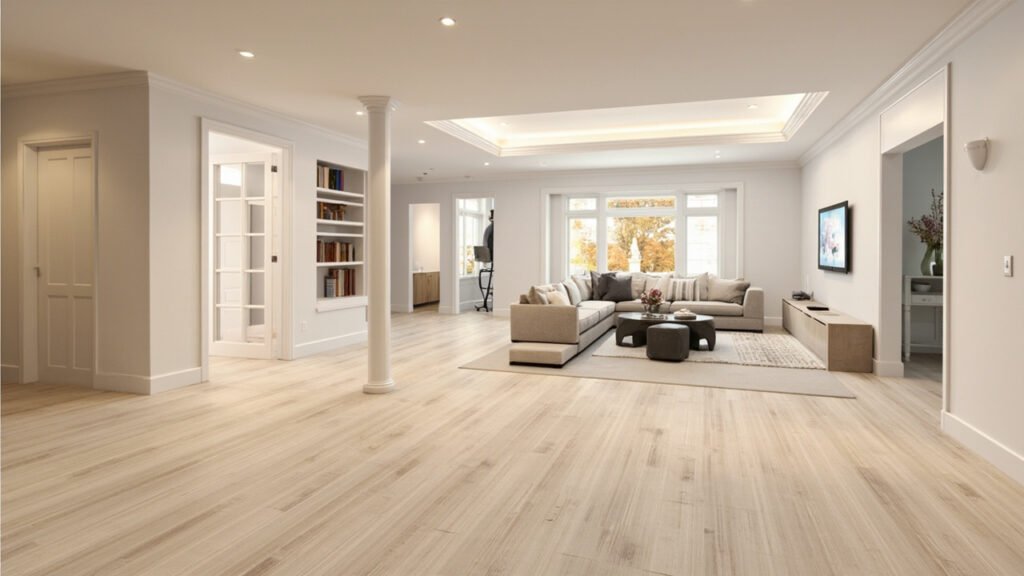
Does your family need more space for kids to play, create, and explore? Many homeowners in the Greater Boston area are discovering that their basement holds incredible potential for becoming the heart of their home’s play space. Whether you have active toddlers, school-age kids, or teenagers who need their own hangout zone, a finished basement playroom can transform how your family uses your home.
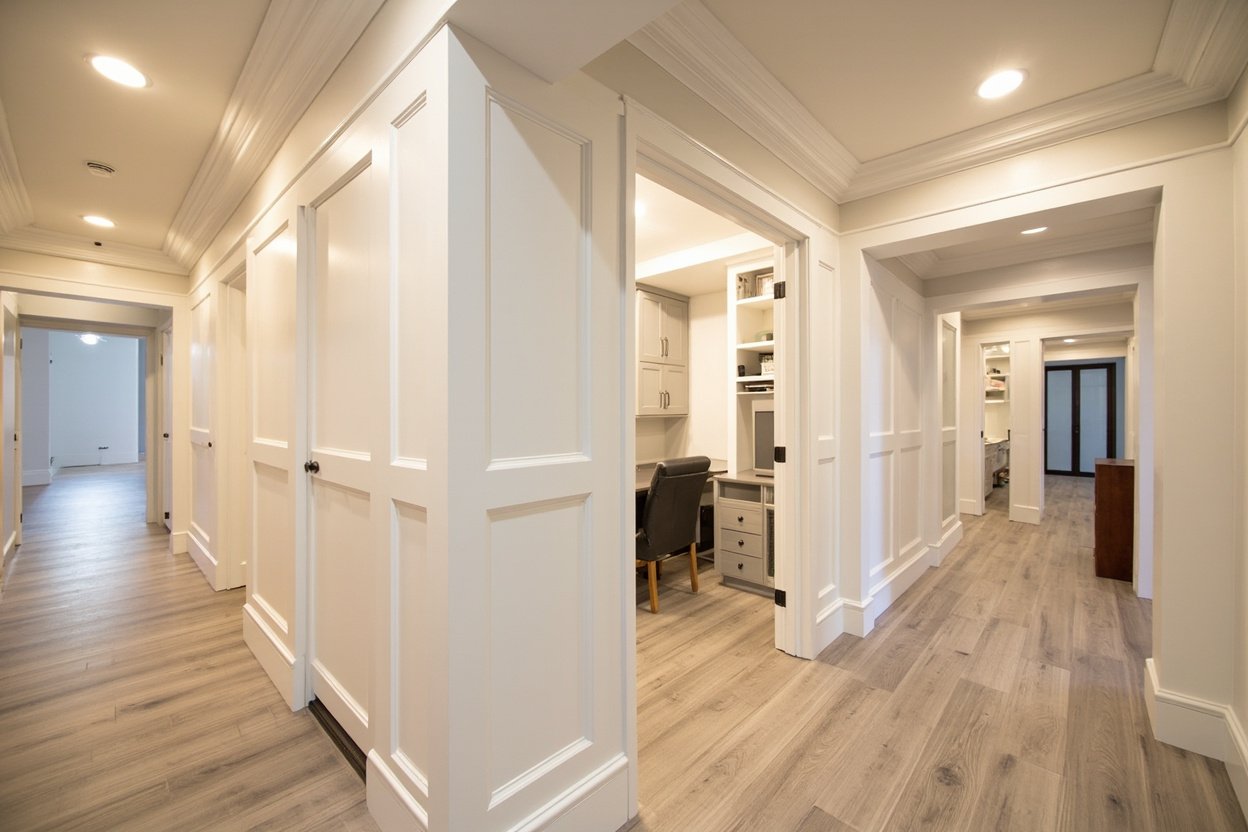
Why Basements Make Great Playrooms in Boston
Boston’s older housing stock means many homes have spacious basements that go underutilized. Unlike living rooms that need to maintain a certain adult aesthetic, basement playrooms offer a dedicated space where kids can be kids. A well-designed basement playroom keeps toys, games, and art supplies contained in one area, making cleanup easier and protecting your main living spaces from the chaos of daily family life.
Basements also provide natural temperature stability, keeping the space comfortable year-round without the temperature fluctuations you might experience in attic rooms or enclosed porches. For families in Newton, Wellesley, Lexington, and Brookline with growing children, this dedicated play zone can serve your family for years to come.
Design Ideas for Kids of All Ages
When planning your basement playroom, consider how the space can grow with your children. Here are popular layout approaches:
- Activity zones: Create distinct areas for different activities—a reading nook with soft lighting, a building zone with storage for blocks and LEGOs, an art station with washable surfaces, and open floor space for active play
- Climbing and active play: Many families install indoor climbing walls, rope ladders, or foam pits for active indoor play, especially valuable during New England winters
- Gaming and media corner: A designated area for video games, board games, or watching movies gives kids a social space without taking over the main living room
- Creative studio: Include a sturdy craft table, open shelving for supplies, and easy-to-clean flooring like luxury vinyl plank that handles spills and marker mishaps
Important Considerations for Boston Basements
Before diving into design, address these specific challenges that come with finishing below-grade spaces in our region:
Ceiling Height
Many older Boston-area homes have basement ceilings below the standard 7-8 feet. While this doesn’t eliminate your playroom options, it does influence design choices. Avoid tall climbing structures in low-ceiling areas, and consider using recessed lighting rather than hanging fixtures to maximize headroom.
Moisture Management
New England basements face unique moisture challenges. Before finishing your space, ensure proper waterproofing and drainage systems are in place. We recommend:
- Interior perimeter drainage systems
- Properly sealed foundation walls
- Effective dehumidification systems sized for the space
- Moisture-resistant materials throughout the build
Egress Requirements
Building codes in Massachusetts require proper egress windows in finished basement spaces used as living areas. This means your playroom design must include basement egress windows or a secondary exit. These windows also provide natural light and emergency ventilation, making the space brighter and more enjoyable for children.
Materials That Work Hard in Below-Grade Spaces
Choosing the right materials ensures your basement playroom looks great and lasts for years:
- Flooring: Luxury vinyl plank (LVP) flooring is an excellent choice—it handles moisture, stands up to heavy foot traffic, comes in kid-friendly colors and patterns, and provides a softer surface than tile
- Walls: Moisture-resistant drywall (green board or paperless options) holds up better than standard drywall in below-grade applications
- Ceilings: Drop ceilings with moisture-resistant tiles allow easy access to plumbing and electrical while providing a clean look. Alternatively, smooth drywall ceilings can make the space feel more polished
- Trim and millwork: Use materials designed to resist the slight humidity fluctuations common in basements
Making It Safe and Fun for the Whole Family
A great basement playroom balances fun with safety. Consider these elements:
- Lighting: Layer your lighting with ambient, task, and accent fixtures. Kids need bright, even lighting for reading and crafts, while softer accent lighting creates a welcoming atmosphere for movie nights
- Storage: Built-in cubbies, shelving at kid-accessible heights, and labeled bins teach organization while keeping the space tidy
- Safety features: Ensure all electrical outlets are GFCI-protected, secure any heavy furniture to walls, and use rounded corners on built-in elements
- Acoustic considerations: Basement playrooms can get loud. Adding acoustic panels or using soft furnishings helps manage sound for parents working nearby or trying to watch television upstairs
Getting Started With Your Basement Playroom
A basement playroom is one of the most rewarding basement finishing projects because it adds genuine value to your family’s daily life. Whether you’re in a colonial in Weston, a Cape in Wayland, or a townhouse in Brookline, transforming your underutilized basement into a dedicated play space gives your children room to grow while keeping the rest of your home organized.
The key is working with contractors who understand Boston-area homes and the specific challenges of below-grade construction. From moisture management to egress compliance, experienced basement finishing professionals ensure your playroom is built to last.
Ready to transform your basement? Visit our basement finishing page or call (857) 666-8643 for a Free, no-obligation estimate
When planning your basement playroom ideas, focus on proper scope definition, moisture management, and selecting materials suited for below-grade spaces.