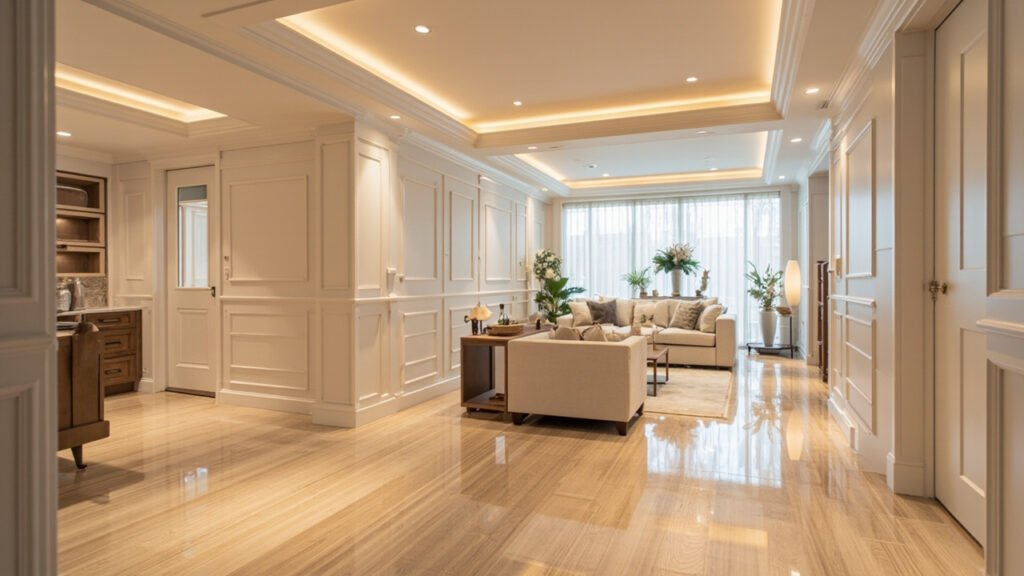
Transforming your basement into a home theater is one of the most rewarding basement finishing projects you can undertake. Not only does it add valuable living space to your home, but a well-designed basement home theater also creates the perfect retreat for movie nights, gaming, and entertaining friends and family. If you are considering basement home theater installation in the Greater Boston area, there are several important factors to understand before you begin.
Why Basements Make Ideal Home Theater Spaces
Basements offer natural advantages for home theater installations that above-ground rooms simply cannot match. The underground location provides excellent sound isolation, meaning you can enjoy your favorite films and shows without disturbing others in your household or your neighbors. Additionally, basements typically have fewer windows, which creates a darker environment naturally suited to high-quality video projection and viewing.
For Greater Boston homeowners, basement spaces also offer relief from the temperature extremes that can affect other parts of your home. A properly finished basement maintains more consistent temperatures year-round, making your theater comfortable regardless of the season outside.
Boston-Specific Considerations for Your Basement Theater
Homes throughout the Greater Boston area, including historic properties in Newton, Lexington, and Brookline, often present unique challenges for basement finishing projects. Understanding these considerations from the outset helps ensure a successful installation.
Ceiling Height Challenges
Many older Boston-area homes were built with basement ceilings lower than modern standards. Before planning your home theater, accurate measurements are essential. Standard basement ceilings may be 7 feet or less, which can affect screen placement, projector positioning, and overall viewer comfort. A basement finishing specialist can recommend solutions such as recessed lighting, low-profile flooring options, and strategic riser placement to maximize your space.
Moisture Management
Below-grade spaces in Greater Boston are susceptible to moisture intrusion from groundwater and humidity. Effective moisture management is critical for protecting your investment in audio-visual equipment and ensuring comfortable viewing conditions. Professional installation includes proper vapor barriers, insulation with moisture-resistant properties, and adequate ventilation to prevent condensation and potential mold growth.
Egress Requirements
Building codes in Massachusetts require proper egress from finished basement spaces. This means your home theater design must account for exits that meet specific size requirements. Adding egress windows or updating basement stairs may be necessary depending on your existing layout. A qualified contractor will ensure your theater meets all local codes while maintaining the aesthetic appeal of your design.
Key Elements of Basement Home Theater Installation
A successful basement home theater installation involves several interconnected elements working together to create an immersive experience.
Structural Framing and Insulation
The foundation of your theater begins with proper framing and insulation. Professional contractors use moisture-resistant insulation materials appropriate for below-grade applications. This includes:
- Insulated exterior walls to maintain comfortable temperatures
- Vapor barrier installation to prevent moisture penetration
- Sound-dampening materials between walls and floors
Electrical and AV Infrastructure
Home theaters require significant electrical capacity and careful AV wiring. Licensed electricians should handle all electrical work to ensure safety and code compliance. Your installation should include dedicated circuits for high-performance audio equipment, strategic outlet placement for equipment, and proper wiring for surround sound systems.
Acoustic Treatment
Proper acoustics transform a good theater into a great one. This includes wall treatments that manage sound reflections, bass traps in corners, and proper speaker placement considerations. During the finishing phase, your contractor can incorporate acoustic panels that blend seamlessly with your design aesthetic.
Lighting Design
Theatrical lighting enhances both functionality and ambiance. Options include:
- Recessed lighting with dimmer controls
- LED strip lighting for step risers and wall accents
- pathway lighting for safe navigation during films
- Bias lighting behind screens to reduce eye strain
The Installation Process
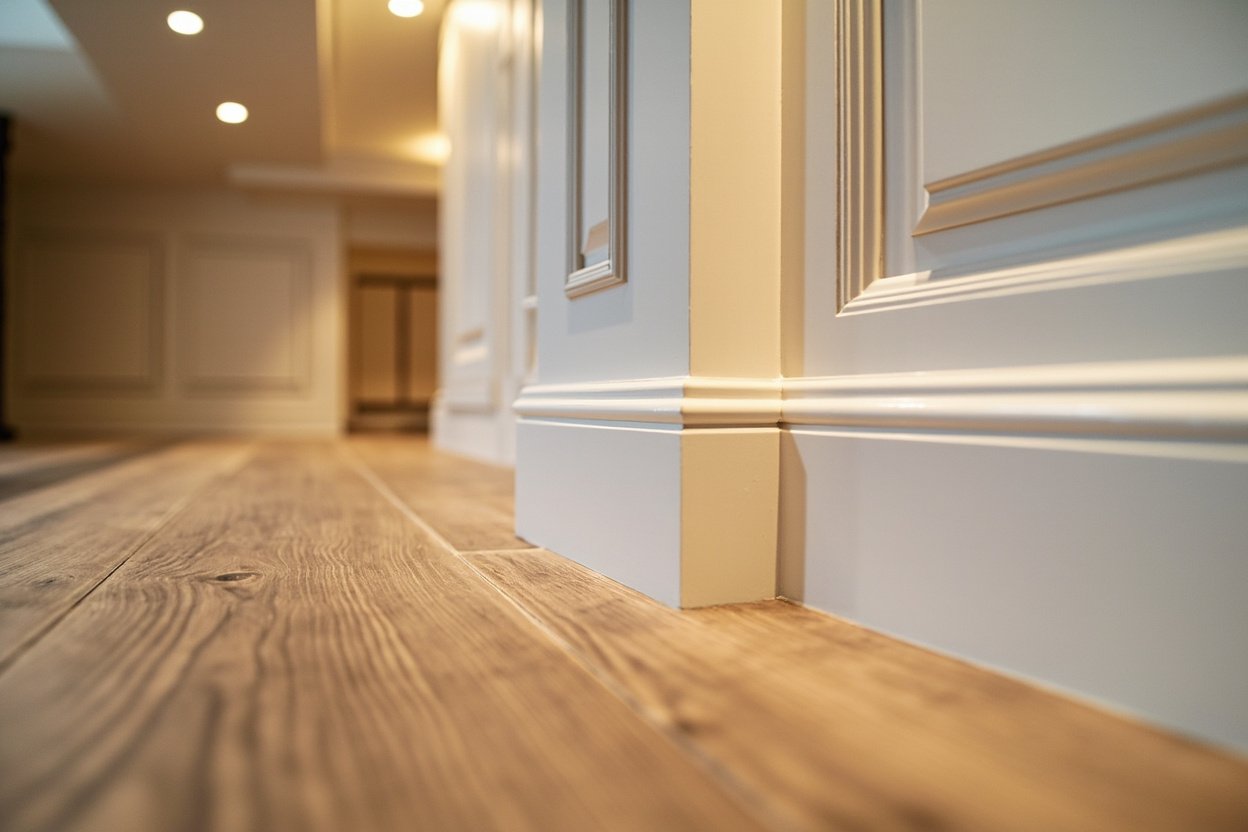
Working with a basement-specialist contractor ensures a smooth process from concept to completion. The typical workflow includes an initial consultation to assess your space and discuss your vision, detailed planning with layout drawings and material selections, demo and preparation of the existing basement space, rough framing, electrical, and plumbing as needed, insulation and moisture barrier installation, drywall finishing with tape, mud, and paint, flooring installation with options including luxury vinyl plank and theater-appropriate surfaces, trim and millwork installation, and final AV equipment installation and calibration.
Throughout each phase, clear communication keeps you informed about progress and any adjustments needed along the way.
Why Choose a Basement Specialist
Basement home theater installation differs significantly from finishing other areas of your home. The unique challenges of below-grade spaces require specific expertise in moisture management, structural considerations, and code compliance. A basement-specialist contractor brings focused experience with these challenges, ensuring your theater is built to last while avoiding common pitfalls that can lead to costly repairs down the road.
Sun Shore Construction’s basement finishing team understands the particular needs of Greater Boston homes. From historic Colonials in Wellesley to mid-century homes in Natick, we have helped homeowners across the region transform their basements into beautiful, functional living spaces.
Ready to transform your basement? Visit our basement finishing page or call (857) 666-8643 for a Free, no-obligation estimate