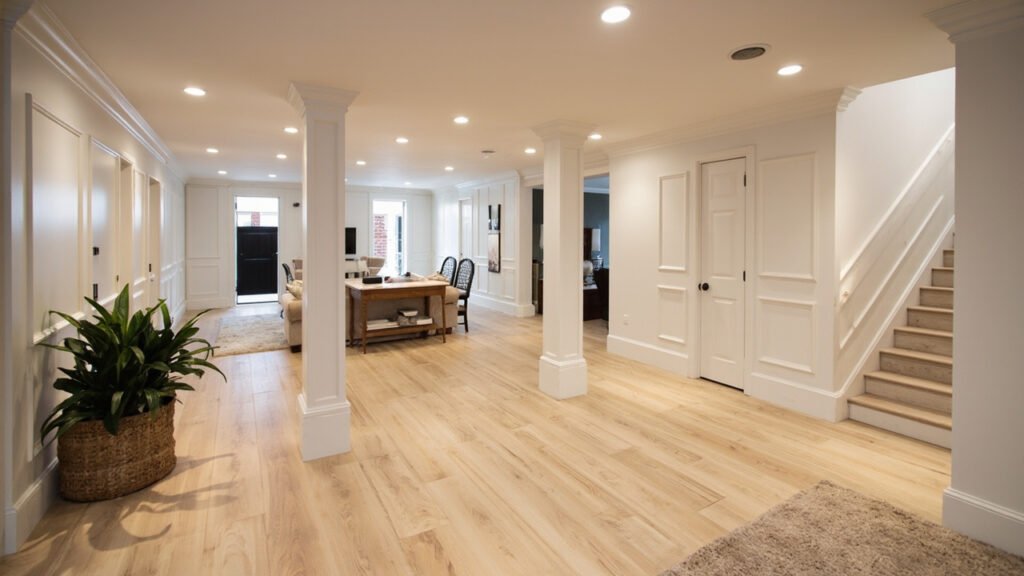
Thinking about transforming your underutilized basement into the ultimate home theater? You’re not alone. Greater Boston homeowners are increasingly choosing basement home theater installation to add living space, increase property value, and create a dedicated entertainment hub for family movie nights, big game viewing, and memorable gatherings with friends.
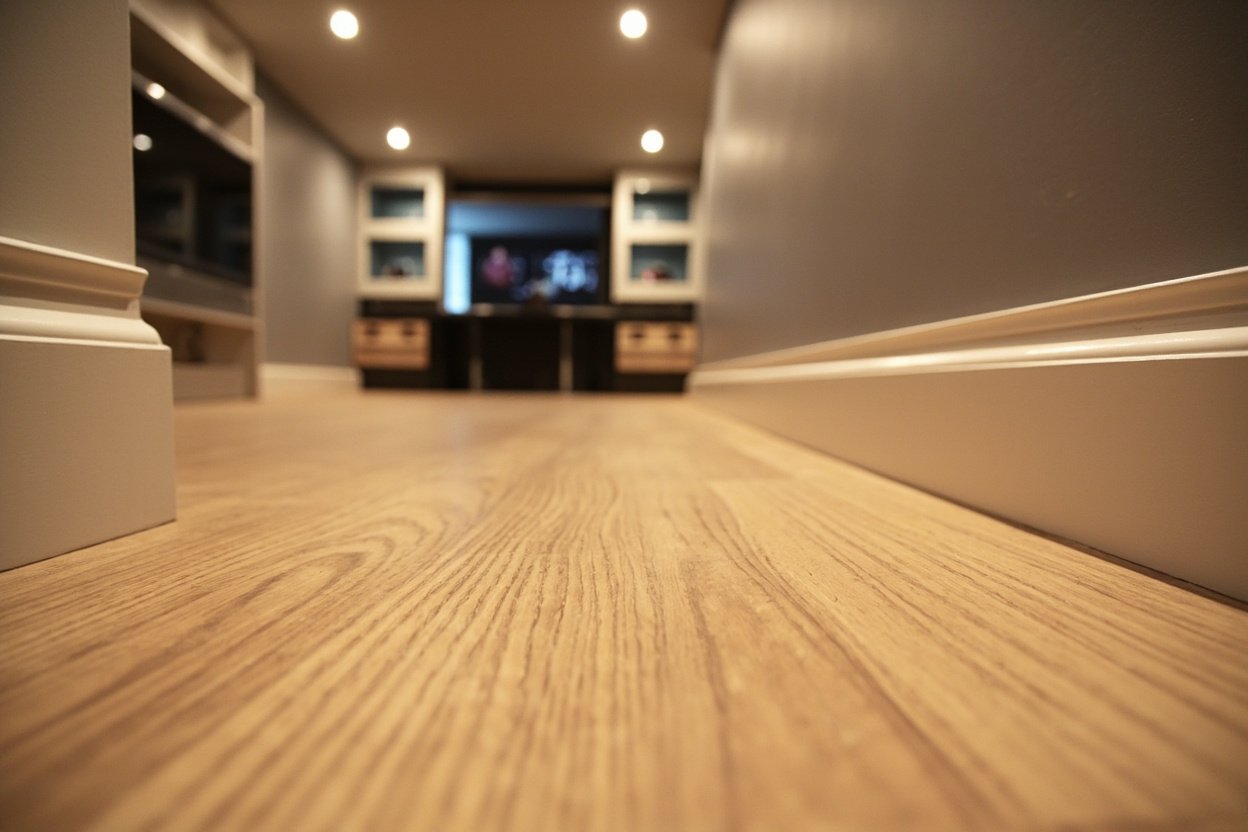
Below-grade spaces offer natural light control and sound isolation that above-ground rooms simply cannot match. However, finishing a basement for a home theater requires careful planning, especially in older Greater Boston homes where moisture management, ceiling height, and egress requirements demand special attention. This guide walks you through everything you need to know to bring your vision to life.
Why Choose Your Basement for a Home Theater
Basements present ideal conditions for home theater installation. Without exterior windows, you have complete control over ambient lighting—essential for that authentic cinema experience. Basement walls and floors naturally dampen sound transmission, meaning your late-night movie sessions won’t disturb the rest of the household or your neighbors.
Additionally, basement home theater installation allows you to repurpose square footage that might otherwise go unused. Rather than leaving your lower level as cold, cluttered storage, you transform it into functional living space that enhances daily life.
Key Considerations Before Starting Your Project
Successful basement home theater installation begins with understanding your space’s unique characteristics. Several factors require careful evaluation:
- Ceiling Height: Many older Boston-area homes feature basement ceilings lower than modern standards. Standard theater setups often require at least 8 feet, but careful design can accommodate spaces with 7-foot ceilings through strategic projector placement and screen selection.
- Moisture Management: Below-grade spaces face unique moisture challenges. Before any finishing work begins, we assess water infiltration risks, recommend appropriate vapor barriers, and ensure proper insulation to protect your investment from mold, mildew, and moisture damage.
- Egress Requirements: Massachusetts building codes require proper egress from finished basements, particularly if the space will serve as a sleeping area. We incorporate compliant emergency egress windows or exits as part of every basement home theater installation project.
- Existing Infrastrong> Your home’s current electrical panel capacity, HVAC distribution, and existing plumbing locations influence design decisions and help us plan efficient routing for wiring and ductwork.
The Installation Process: What to Expect
Working with an experienced basement finishing contractor ensures your home theater project progresses smoothly from concept to completion. Here’s an overview of what the process typically involves:
- Initial Consultation and Design: We discuss your vision, budget, and functional requirements. This includes screen size preferences, seating arrangement, acoustic goals, and any optional features like risers for stadium seating or integrated controls.
- Moisture Assessment and Preparation: We evaluate your basement for moisture issues and implement necessary waterproofing or moisture management solutions before any framing begins.
- Framing and Insulation: Our team frames the space, installs proper insulation meeting current energy codes, and addresses any structural considerations.
- Electrical and Low-Voltage Wiring: Licensed electricians run wiring for outlets, lighting, and equipment. Simultaneously, we install low-voltage wiring for surround sound, HDMI runs, and control systems.
- Drywall, Painting, and Trim: We finish walls and ceilings, apply your chosen paint colors, and install trim work that gives the space a polished, custom appearance.
- Flooring and Acoustics: Depending on your preferences, we install flooring solutions ranging from luxury vinyl plank to ceramic tile. We also address acoustic considerations through strategic material choices and room treatments.
- Equipment Installation: Once the space is finished, your theater equipment—projector, screen, speakers, seating—can be installed and calibrated for optimal performance.
Lighting Considerations for Your Basown Theater
Proper lighting design distinguishes an exceptional home theater from an ordinary one. We recommend a layered approach that combines ambient lighting for general visibility with accent lighting that enhances the space’s atmosphere when the main system isn’t in use.
Recessed can lights with dimmer controls allow flexible illumination levels. LED strip lighting along steps, seating areas, and architectural features adds visual interest without interfering with screen visibility. We also plan for the specific lighting needs of your equipment—projector placement often requires blackout housing or ceiling recesses.
Optional Features to Enhance Your Experience
Beyond the basics, several upgrades can elevate your basement home theater installation:
- Acoustic Treatment: Sound-absorbing panels and bass traps improve audio clarity and prevent sound from bouncing uncomfortably.
- Stadium Seating or Risers: Multi-level seating platforms ensure everyone has unobstructed views of the screen.
- Integrated Controls: Smart home integration allows you to control lighting, audio, video, and climate through a single interface or voice commands.
- Wet Bar or Kitchenette: A nearby refreshment station keeps snacks and beverages within easy reach without interrupting the viewing experience.
- D-Baffles or Acoustic Panels: These specialized treatments address specific acoustic challenges common in below-grade spaces.
Working with a Basement Specialist
Basement home theater installation differs significantly from finishing above-ground rooms. Moisture considerations, egress compliance, and the unique characteristics of below-grade construction demand specialized expertise. Sun Shore Construction’s basement finishing team brings focused experience to every project, understanding the specific challenges facing Greater Boston homeowners.
From Newton colonials to Wellesley contemporaries, we’ve transformed basements throughout the region into beautiful, functional spaces. Our professional process includes clear communication, organized job sites, and thorough attention to detail at every stage.
Ready to transform your basement? Visit our basement finishing page or call (857) 666-8643 for a Free, no-obligation estimate