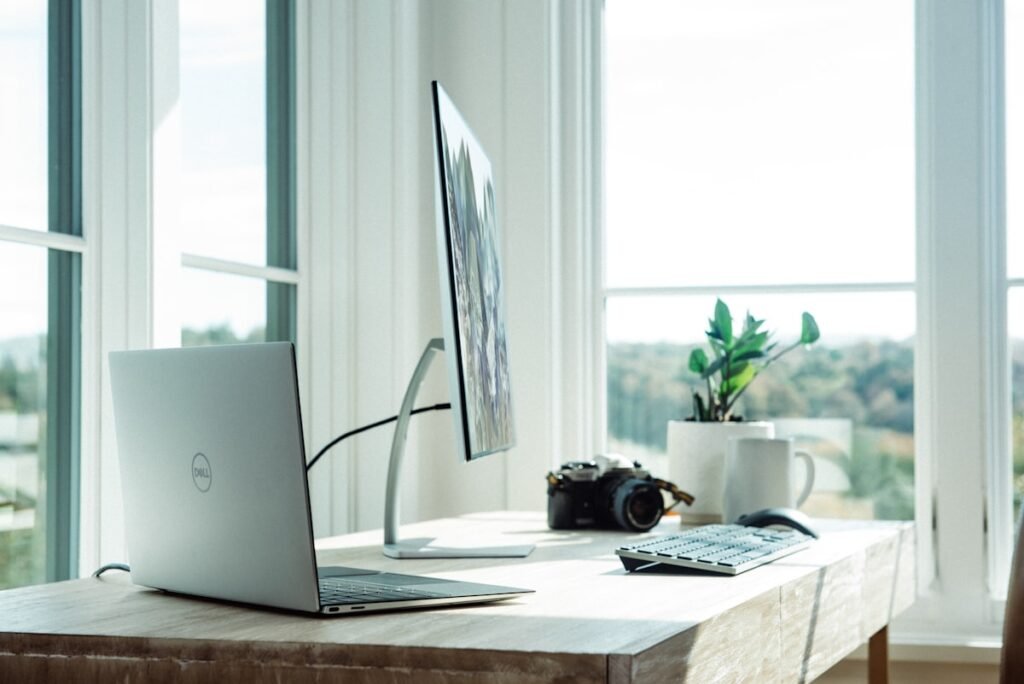
If you are a Boston-area homeowner exploring ways to add valuable living space to your home, a basement home office design might be the perfect solution. With more people working remotely than ever before, having a dedicated, professional workspace has moved from a luxury to a necessity. Your basement — often overlooked and underutilized — offers the ideal canvas for creating a quiet, productive environment that supports focus, creativity, and work-life balance.
Why Choose Your Basement for a Home Office?
Basements naturally offer a degree of isolation from the main living areas of your home. This separation is invaluable when you need to take a client call, concentrate on complex projects, or simply step away from household distractions. Unlike a spare bedroom on the upper floor, a basement office creates a clear boundary between your professional life and your personal life — even when both happen under the same roof.
Boston homeowners also appreciate that basement spaces tend to maintain more consistent temperatures year-round compared to rooms with large windows. During hot summer months and cold New England winters, your underground office stays comfortable without the energy swings that affect upstairs rooms. This stability not only keeps you comfortable but can also reduce your heating and cooling costs.
Before diving into your basement home office design project, proper basement layout planning is essential. A well-thought-out layout considers traffic flow, natural and artificial lighting placement, and the specific requirements of your work. Learn more about basement layout planning to ensure your new workspace is both functional and efficient.
Designing for Light and Ambiance
One common concern about basement offices is lighting. Basements typically have limited or no natural light, which can make the space feel cramped or dreary. The good news is that modern lighting design offers excellent solutions for creating a bright, inviting atmosphere underground.
Layered lighting works best in a basement home office. Start with ambient overhead lighting to establish a baseline level of illumination. Then add task lighting — such as a dedicated desk lamp — to provide focused light exactly where you need it for reading, writing, or detailed computer work. Finally, consider accent lighting like wall sconces or LED strips to add depth and visual interest to the space. Recessed lighting is particularly popular in basement offices because it keeps ceilings clean and unobstructed, making the room feel more open.
Choosing light, neutral colors for walls and flooring also helps maximize the perception of space. Whites, soft grays, and pale woods reflect light beautifully and create a professional, modern aesthetic that complements any work style.
Building a Budget for Your Basement Office
As with any home improvement project, understanding the costs involved in a basement home office design is critical for staying on track financially. Expenses can range from basic cosmetic updates to comprehensive renovations that include framing, electrical work, plumbing, and specialized finishes. Establishing a realistic budget early in the process prevents surprises and ensures you can complete the project without financial stress.
Your budget should account for both one-time construction costs and ongoing expenses such as furniture, equipment, and decor. It is also wise to set aside a contingency fund — typically 10 to 20 percent of your total budget — for unexpected issues that often arise during renovation projects. Review our basement budget planning guide for detailed advice on allocating your resources wisely and getting the most value from your investment.
Choosing the Right Furniture and Layout
The furniture you select for your basement home office design should reflect both the demands of your work and the unique characteristics of the space. A large, executive-style desk may overwhelm a small basement, while a compact workstation might feel lost in a cavernous renovation. Take measurements carefully and choose furniture that fits the proportions of the room.
Ergonomics are non-negotiable in a home office. Invest in a quality chair that supports your back during long work sessions. Position your desk to take advantage of any available wall space for storage and shelving. Built-in cabinets and custom shelving are particularly effective in basement offices because they maximize every inch of available space while keeping the room organized and professional.
If you frequently host video calls, consider designating one wall as a background feature. A well-designed backdrop — whether it involves plants, bookshelves, or tasteful artwork — adds visual appeal to your calls and helps you present a polished, professional image to colleagues and clients.
Ready to Build Your Basement Home Office?
Creating a basement home office is one of the smartest investments you can make as a Boston homeowner. It adds usable square footage to your property, increases your home’s overall value, and provides a dedicated space where you can be your most productive self. Whether you need a quiet corner for focused writing, a professional setting for client meetings, or a creative studio for your side projects, a well-designed basement office delivers.
If you are ready to explore your options, our team is here to help you every step of the way. From initial design concepts through final construction, we bring expertise, transparency, and a commitment to quality that Boston homeowners trust. Reach out today to schedule a consultation and discover how we can transform your basement into the home office you have always wanted.