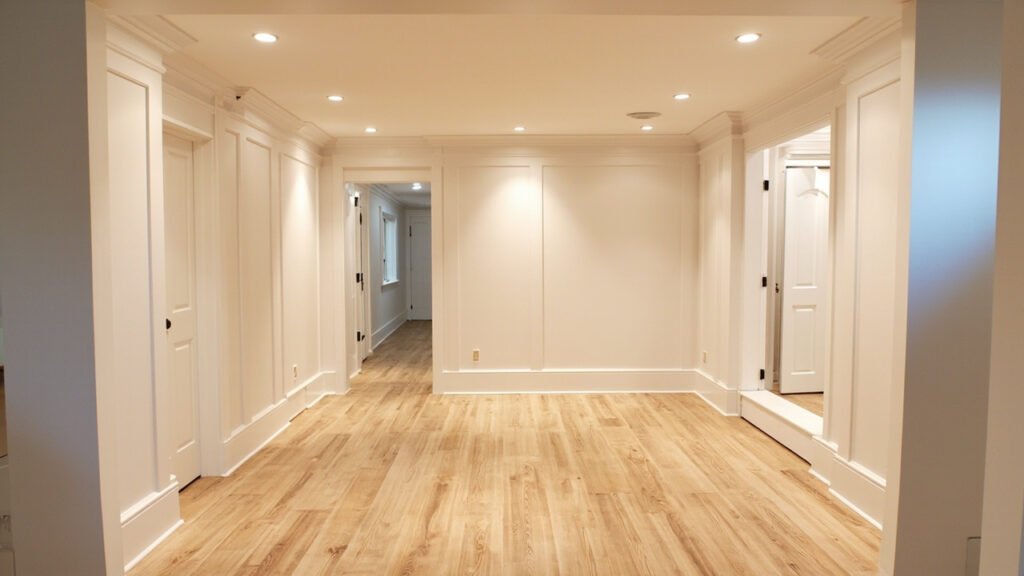
More Greater Boston homeowners are discovering that their basement holds untapped potential—specifically, the perfect foundation for a dedicated home gym. Whether you’re tired of fighting traffic to the gym, want a private space for early morning workouts, or need room for Peloton sessions and heavy lifting, transforming your basement into a fitness sanctuary makes sense. A basement home gym contractor who understands the unique challenges of below-grade construction can help you avoid costly mistakes while creating a space you’ll use for years.
Why Boston Homeowners Are Converting Basements Into Home Gyms
Boston’s housing market means many homes were built decades ago with smaller interior spaces. Finishing your basement for a gym gives you square footage without altering your home’s footprint or exterior. A basement gym offers privacy for intense workouts, saves money on gym memberships, and keeps you exercising regardless of weather or schedule.
Beyond convenience, a well-designed basement gym adds real value to your home. Buyers increasingly prioritize flexible living spaces, and a finished basement gym appeals to fitness-conscious families in Newton, Wellesley, Lexington, and throughout Greater Boston.
Key Challenges of Basement Home Gym Construction in Greater Boston
Basement spaces present unique construction considerations that differ significantly from above-grade rooms. Understanding these challenges helps you plan a successful project.
- Ceiling height limitations—Many older Boston-area homes have basements with 7-foot or lower ceilings. Code requirements and the need for proper lighting can further reduce usable height. A skilled contractor knows how to maximize your space while meeting building requirements.
- Moisture and humidity—Below-grade spaces naturally attract moisture through foundation walls and floors. Massachusetts weather extremes make humidity control critical for protecting your gym equipment and creating a comfortable workout environment.
- Egress requirements—Building codes in communities like Brookline, Westwood, and Quincy require proper emergency exits. Adding egress windows may be necessary depending on your basement’s layout and current configuration.
- Existing infrastructure—Utility pipes, ductwork, and support columns in older homes in Weston, Bedford, and Burlington require thoughtful integration into your gym design.
- Sound transmission—Dropping weights and cardio equipment affects family members upstairs. Proper floor underlayment and wall insulation reduce noise transfer.
Our Professional Basement Gym Finishing Process
As basement-specialist contractors, we bring focused expertise to every project. Our process prioritizes clear communication, clean job sites, and professional execution from concept through completion.
When you work with us, here’s what to expect:
- Initial consultation—We assess your basement’s current condition, discuss your fitness goals, and identify any structural or moisture concerns unique to your home.
- Custom design and planning—We develop a layout that accommodates your equipment, maximizes available ceiling height, and addresses Boston-specific building requirements for your municipality.
- Framing and structural work—Our team handles all framing, including any necessary support modifications, with precision and care for your home’s structure.
- Insulation and moisture barriers—We install proper moisture management systems and insulation designed specifically for below-grade applications, protecting your investment from Massachusetts humidity.
- Electrical and plumbing—Our licensed electricians handle outlet placement, dedicated circuits for exercise equipment, and lighting. If you’re adding a basement bathroom or shower, licensed plumbers handle that work professionally.
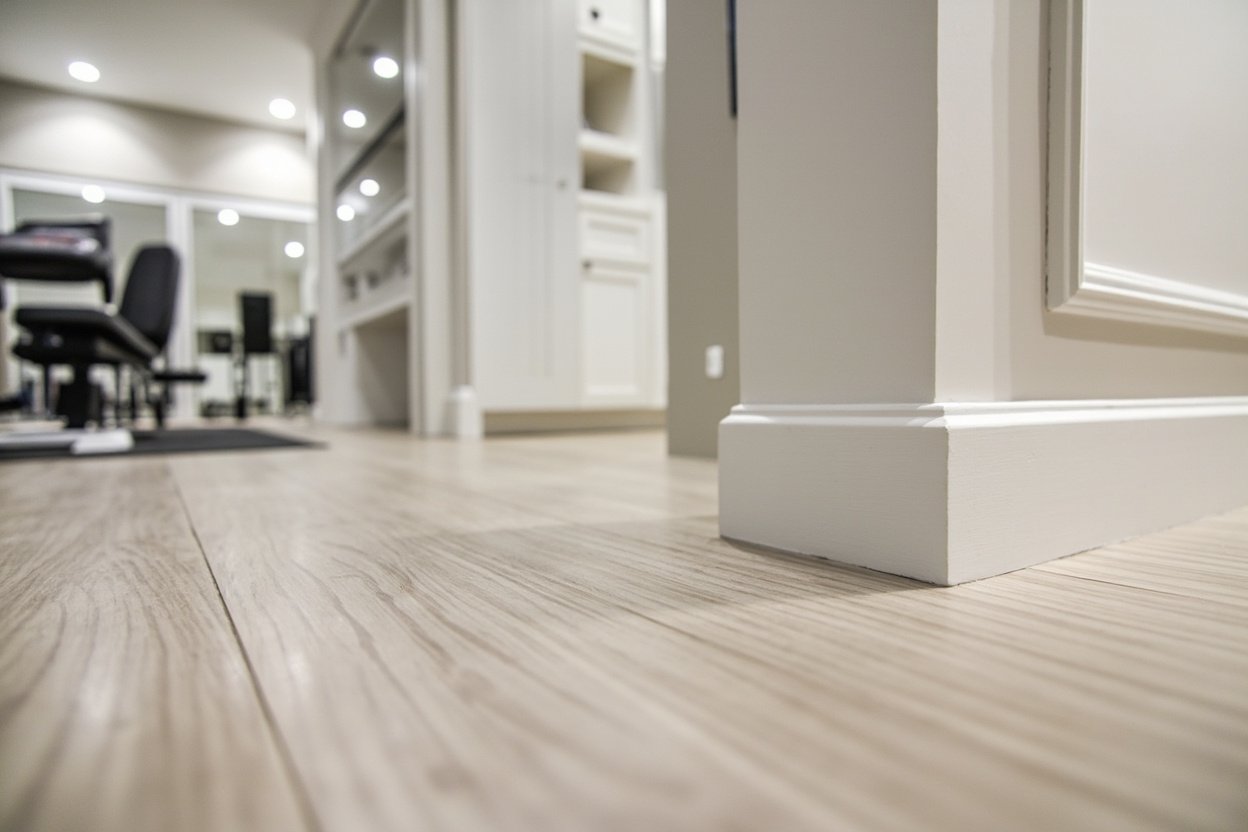
- Drywall, flooring, and finishing—We complete the space with quality drywall installation, professional painting, trim work, and flooring options designed for gym environments.
Essential Features for a Basement Home Gym
When designing your basement gym, certain features make the difference between a space you’ll use occasionally and one that becomes your go-to fitness center.
- Dedicated electrical circuits—Heavy equipment like treadmills and elliptical machines need proper electrical capacity. We install appropriate circuits to prevent tripped breakers during workouts.
- Rubberized flooring—Interlocking rubber tiles or rolled rubber flooring protect your concrete slab, cushion your joints, and reduce noise from dropped weights.
- Strategic lighting—Bright, even lighting makes your gym inviting and functional. We often recommend a combination of recessed lighting and pendant fixtures for a premium look.
- Mirrors—Wall mirrors make spaces feel larger and help with form correction during strength training. We install these safely with proper backing.
- Climate control considerations—Proper insulation and potentially a dedicated HVAC zone or dehumidifier keep your basement gym comfortable year-round.
- Ventilation—Fresh air circulation matters during intense workouts. We can integrate ventilation solutions into your design.
Why Choose a Basement-Specialist Contractor
General contractors may handle your basement gym, but working with a basement-specialist team means you benefit from focused expertise. We understand the nuances of below-grade construction that generalists might overlook.
Our team at Basement Finishing of Boston brings specialized knowledge to every project. We’ve worked in homes throughout Greater Boston—from historic Colonials in Lexington to split-levels in Natick to newer constructions in Quincy and Braintree. Each community has its own building codes and permit requirements, and we know them well.
We use moisture-aware finishing recommendations specifically designed for Massachusetts basements. Our connections with licensed electricians and plumbers ensure all trade work meets code and passes inspection. We maintain clean job sites and keep you informed throughout your project.
Ready to transform your basement? Visit our basement finishing page or call (857) 666-8643 for a Free, no-obligation estimate
When planning your basement home gym contractor, focus on proper scope definition, moisture management, and selecting materials suited for below-grade spaces.