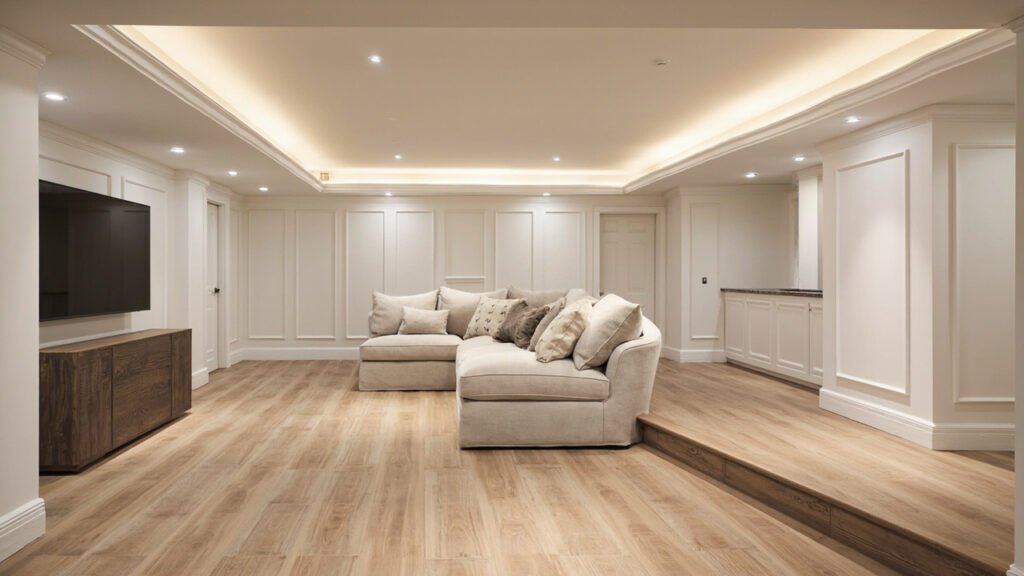
If you have been dreaming of a home theater where your family can enjoy movie nights, watch the big game, or stream the latest series in comfort, your basement might be the perfect place to make that dream a reality. Basement home theater installation in Greater Boston comes with unique considerations, from managing moisture in below-grade spaces to working with the ceiling heights and foundation configurations common in older New England homes. This guide walks you through everything you need to know to plan your project with confidence.
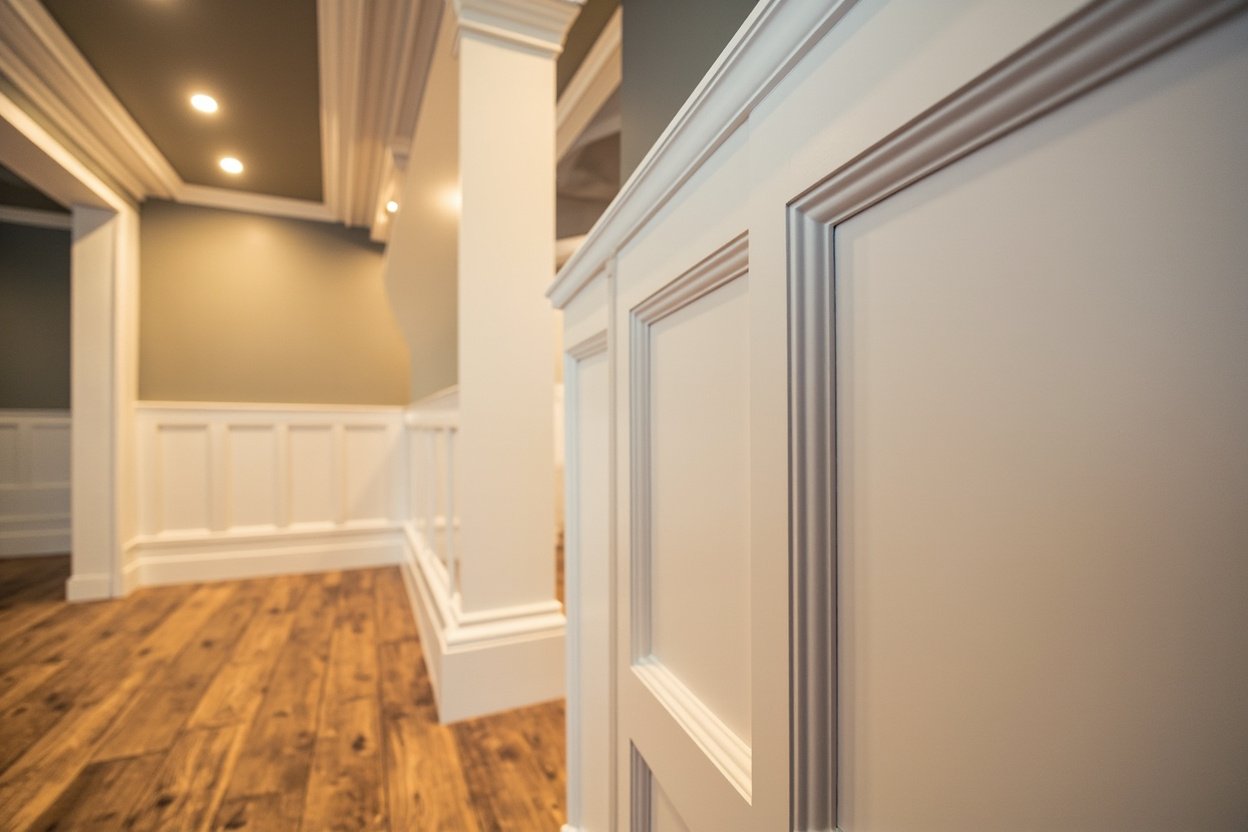
Why Choose Your Basement for a Home Theater
Basements offer natural light control, making them ideal for creating that dark, cinematic environment you want in a theater space. Since basements are naturally set apart from the main living areas, you can enjoy movies and music without disturbing the rest of the household. Many homeowners in Needham, Newton, Lexington, and surrounding communities are discovering that finishing their basement with a dedicated theater room adds both function and value to their homes.
Before you begin, it helps to understand the scope of what a basement home theater project involves. This is not just about installing a big screen. It requires thoughtful planning around framing, insulation, moisture management, electrical work, acoustics, and finishing details.
Assessing Your Basement for Theater Installation
The first step is evaluating your basement’s current condition. In older homes throughout Brookline, Wellesley, Weston, and other historic Greater Boston neighborhoods, basements often have lower ceiling heights than modern building codes recommend. You will want to measure your available headroom carefully, as theater installations typically need enough space for recessed lighting, speakers, and comfortable viewing.
Moisture is another critical factor. Boston’s climate means basements can experience humidity and occasional water intrusion, especially during wet seasons or in homes with aging foundations. Before any finishing work begins, we assess:
- Current moisture levels in the foundation walls and floor
- Condition of existing drainage and any signs of water penetration
- Insulation needs for both temperature control and sound dampening
- Egress requirements, particularly if your theater will be in a basement bedroom or suite
Addressing these issues upfront ensures your theater stays comfortable and protected for years to come.
Framing and Insulation for Sound and Comfort
A home theater needs proper framing to support your screen, speakers, and any built-in cabinetry. In basement spaces, we typically build out walls using moisture-resistant materials and techniques designed for below-grade applications. This includes using treated lumber where appropriate and ensuring all cavities are properly insulated.
Insulation serves two purposes in a basement theater. It helps regulate temperature, keeping the space comfortable regardless of the season, and it provides acoustic separation so your movie sound does not disturb other parts of the house. We often recommend spray foam or batt insulation with a vapor barrier, depending on your specific foundation type.
Managing Moisture in Boston Basements
Moisture management is perhaps the most important consideration for any basement finishing project in Greater Boston. The combination of our New England climate and the age of many local homes means basements can be prone to humidity buildup and occasional dampness.
Our approach includes:
- Installing proper vapor barriers against foundation walls
- Ensuring adequate ventilation during and after construction
- Selecting moisture-resistant drywall and finishing materials
- Addressing any existing drainage issues before finishing begins
- Recommending dehumidification systems when appropriate
By taking these steps, we create a basement environment where your theater equipment and furnishings can thrive without the risk of mold, warping, or moisture damage.
Electrical, Technology, and Lighting Considerations
A quality home theater requires careful electrical planning. You will need dedicated circuits for your projector or TV, audio equipment, and any gaming consoles or streaming devices. We work with licensed electricians who understand the demands of home theater systems and can wire your space for both power and future flexibility.
Lighting plays a huge role in the theater experience. We typically recommend installing dimmable recessed lighting for general illumination, with additional accent lighting behind the screen or around seating areas. The goal is to create an ambiance that transitions easily from a bright space for watching during the day to a fully darkened theater at night.
Acoustic treatment is another area where we can help. Sound-absorbing panels, strategic speaker placement, and proper wall finishes all contribute to a clearer, more immersive audio experience. We will discuss your goals and budget to find the right balance for your space.
The Installation Process
Once we have a clear design in place, the installation process typically follows these stages:
- Demolition and preparation: Clearing any existing finishes and addressing structural or moisture issues
- Framing and rough-in: Building out walls, soffits for wiring, and any custom features
- Mechanical rough-ins: Electrical, plumbing if needed for a wet bar, and HVAC adjustments
- Insulation and vapor barrier installation: Ensuring proper thermal and moisture performance
- Drywall and finishing: Taping, mudding, sanding, and texturing
- Painting and trim: Adding the final visual touches
- Flooring and ceiling solutions: Completing the space with LVP, tile, or carpet, plus any acoustic ceiling panels
- Final electrical and technology installation: Working with your AV provider to install and calibrate equipment
Throughout the process, we maintain clear communication and keep your job site clean and organized.
Custom Features to Enhance Your Theater
Many homeowners choose to add features that elevate their basement theater beyond the basics. Popular options include:
- Wet bars or kitchenettes for refreshments without leaving the room
- Built-in seating or risers for better sightlines
- Acoustic paneling that doubles as attractive wall art
- Screen-specific lighting that dims automatically when playback begins
- Climate control options for year-round comfort
We will help you prioritize which features make sense for your space and budget during the planning phase.
Work With a Basement Specialist
Finishing a basement for a home theater is different from remodeling an above-ground room. The conditions, codes, and construction techniques involved require specialized knowledge. Our team at Basement Finishing of Boston has experience working with the unique challenges of below-grade spaces throughout Greater Boston, from the older homes in Lexington and Weston to the newer developments in Braintree and Quincy.
We handle every aspect of your project, coordinating framing, insulation, electrical, plumbing, and finishing trades so you can focus on enjoying the result.
Ready to transform your basement? Visit our basement finishing page or call (857) 666-8643 for a Free, no-obligation estimate
When planning your basement home theater installation, focus on proper scope definition, moisture management, and selecting materials suited for below-grade spaces.