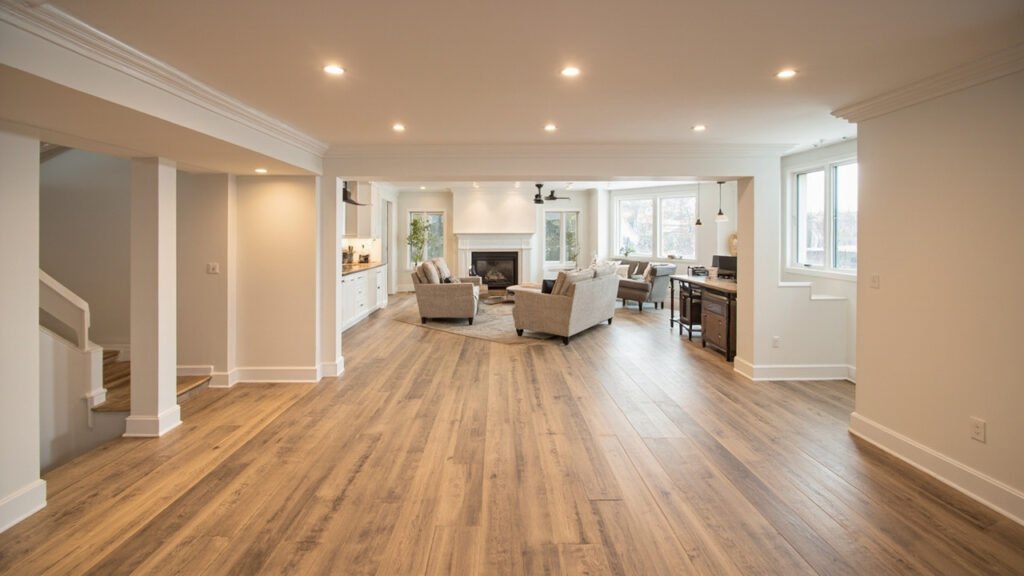
If you are a homeowner in Needham, Newton, Wellesley, or any of Greater Boston’s desirable communities, you have probably thought about maximizing every inch of your home. Basements in this region often sit unfinished—valuable square footage that could become a cozy family room, a productive home office, a guest suite for visiting relatives, or even a private in-law apartment. Basement Finishing of Boston specializes in transforming these below-grade spaces into beautiful, functional living areas that add real value to your home.
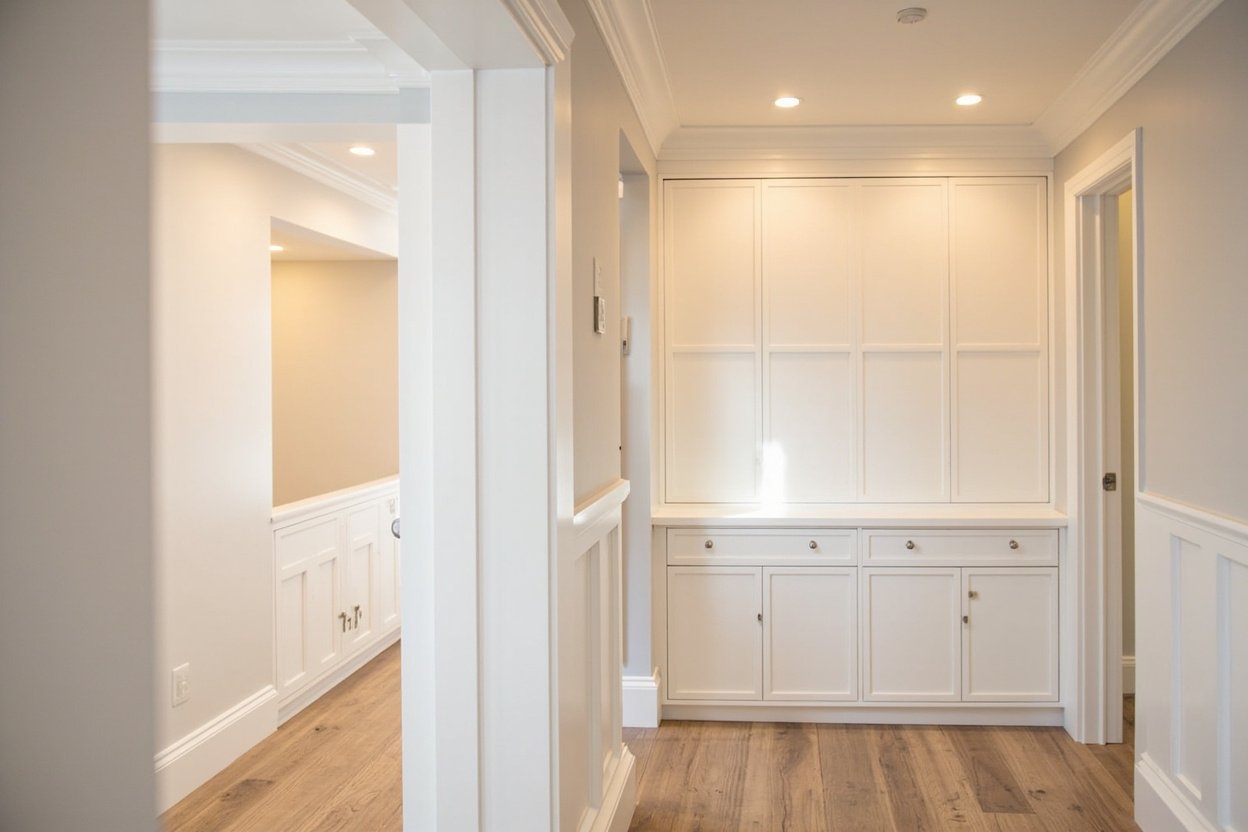
Why Basement Finishing Makes Sense for Greater Boston Homeowners
New England homes, particularly in communities like Needham, Lexington, and Weston, often feature older construction with basements that were built primarily for storage and utilities. Finishing your basement allows you to gain living space without the expense and disruption of a home addition. You can create:
- Dedicated workspaces for remote professionals
- Play areas for children that keep toys contained
- Home gyms that do not take up valuable main-floor real estate
- Entertainment spaces with wet bars and home theater setups
- Guaranteed privacy for guests or extended family members
Understanding the Basement Renovation Process
Every successful basement project starts with a thorough assessment of your space and goals. During our initial conversations, we discuss how you envision using the area, your timeline, and your budget parameters. From there, we develop a clear scope that covers all phases of the transformation.
Our process typically includes:
- Comprehensive space evaluation and measurements
- Detailed design and material selection assistance
- Framing and structural modifications as needed
- Professional insulation and moisture barrier installation
- Electrical work by our licensed electricians
- Plumbing installation for bathrooms, bars, or kitchenettes
- Drywall finishing with quality taping and sanding
- Flooring installation using moisture-resistant materials
- Painting, trim work, and lighting fixture installation
- Final walkthrough and quality inspection
Boston-Area Basement Challenges and How We Address Them
Basements in Greater Boston present unique considerations that experienced contractors must understand. Many homes in this region were built in the early to mid-twentieth century, which means foundation structures, existing utilities, and available ceiling heights can vary significantly from one property to the next.
Moisture Management: Below-grade spaces are naturally prone to moisture intrusion. We approach every basement with moisture awareness, recommending proper vapor barriers, dehumidification systems, and sump pump considerations where appropriate. Our finishing methods ensure your investment remains protected for years to come.
Ceiling Height Considerations: Older basements often have lower clearance than modern basements. We work creatively with available space, sometimes incorporating recessed lighting and strategic framing to maximize headroom while still meeting code requirements.
Egress Requirements: Massachusetts building codes require proper egress windows or alternate exits in finished basements used as sleeping areas. We handle egress window installations as part of our comprehensive service, ensuring your project meets all safety requirements while maintaining the aesthetics of your space.
Popular Basement Finishing Projects in Needham and Surrounding Towns
Homeowners throughout Greater Boston pursue basement finishing for various reasons. We have completed projects ranging from simple family room transformations to complex multi-use spaces. Some of our most requested project types include:
- Family Rooms: Open-concept spaces with comfortable seating, entertainment systems, and durable flooring that can handle active family life
- Home Offices: Quiet, dedicated workspaces with proper electrical outlets, data connectivity provisions, and sound-dampening features
- In-Law Suites: Self-contained apartments with separate entrances, bathrooms, and kitchenettes for multigenerational living
- Home Theaters: Acoustic-treated rooms designed for optimal viewing and listening experiences
- Gyms and Wellness Spaces: Rubber flooring, proper ventilation, and flexible layouts for exercise equipment
What Goes Into a Basement Finishing Project
A typical basement finishing project involves multiple trades and specialized knowledge. Our team coordinates all aspects of the work, from demolition and debris removal through final finish work. We handle:
- Demolition of existing finishes and preparation of the space
- Framing for walls, soffits, and built-in features
- Installation of insulation meeting current energy standards
- Drywall hanging, taping, mudding, and sanding
- Flooring options including luxury vinyl plank and ceramic tile
- Interior painting with moisture-resistant products
- Trim and millwork installation
- Lighting fixture placement and electrical finishing
For projects requiring plumbing, our licensed plumbers install basement bathrooms, wet bars, and kitchenette connections. Every trade coordinate is managed by our team, eliminating the need for you to juggle multiple contractors.
Getting Started with Your Basement Transformation
Whether your basement has been unfinished since you purchased your home or you have been dreaming about the possibilities for years, we are here to help you explore the options. Basement Finishing of Boston serves homeowners throughout Greater Boston, including Needham, Newton, Lexington, Wellesley, Brookline, Westwood, Weston, Acton, Natick, Wayland, Bedford, Burlington, Quincy, Braintree, and surrounding communities.
We begin every project with a conversation about your vision and practical considerations like budget and timeline. There is no pressure, no obligation—just helpful information about what is possible for your specific space.
Ready to transform your basement? Visit our basement finishing page or call (857) 666-8643 for a Free, no-obligation estimate
When planning your basement renovation needham ma, focus on proper scope definition, moisture management, and selecting materials suited for below-grade spaces.