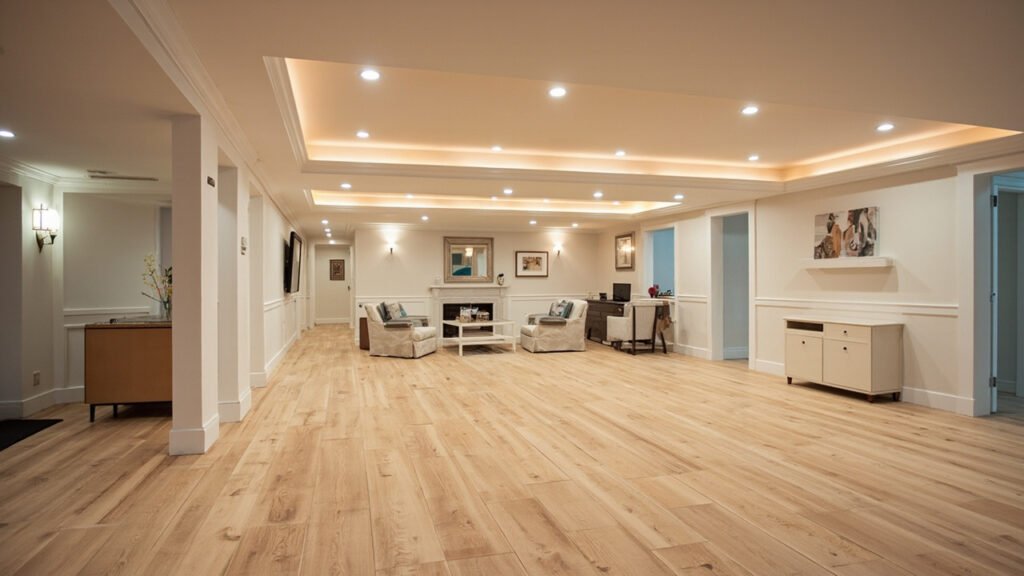
Thinking about adding a basement bathroom to your Boston-area home? You are not alone. Many homeowners in Greater Boston communities like Newton, Needham, Wellesley, and Lexington are discovering that a basement bathroom addition can transform an underutilized lower level into a comfortable, functional space. Before you start tearing out drywall or moving plumbing, though, it helps to understand what makes basement bathroom construction different from a standard upstairs bath.
Why Boston Basements Require Special Consideration
Boston area homes come in all ages and styles, from historic Brookline colonials to mid-century developments in Quincy and Braintree. One thing many of these homes share is below-grade basement space with unique challenges. Older homes especially may have foundation issues, varying ceiling heights, and moisture concerns that require professional attention before any bathroom addition begins.
Massachusetts weather brings humid summers and cold, wet winters. That moisture cycle puts pressure on basement structures. A professional basement finishing team understands how to manage moisture from the start, selecting appropriate materials and ensuring proper ventilation for below-grade spaces. This is not a project where you want to cut corners on preparation.
Planning Your Basement Bathroom Layout
Before construction begins, your contractor will help you determine the best placement for your new basement bathroom. Several factors influence this decision:
- Drainage access: The location of your main sewer line and drain stack determines where plumbing can run. Bathrooms positioned near existing drain lines typically cost less to install.
- Ceiling height: Many older Boston-area basements have low ceilings. Your contractor may recommend creative solutions like pocket doors or recessed toilets to maximize space.
- Egress requirements: If your basement is being converted to a living space, Massachusetts building codes require proper egress windows or doors. Your bathroom layout may need to account for this.
- Future use: Consider whether this bathroom serves a family room, guest suite, in-law apartment, or home gym. Different uses have different fixture and storage needs.
What the Basement Bathroom Process Looks Like
Professional basement finishing follows a clear process designed to minimize disruption to your home while delivering quality results. Here is what you can expect:
- Initial consultation: Your contractor visits your home to assess the space, discuss your vision, and identify any challenges with your existing basement structure.
- Design and planning: Layout options are developed, fixture selections are made, and detailed scopes are documented so you know exactly what is included.
- Framing and mechanical work: Walls are framed, and licensed plumbers and electricians run new supply lines, drain connections, and wiring for lights, outlets, and ventilation.
- Insulation and moisture control: Proper insulation and vapor barriers are installed to protect your investment and keep the space comfortable year-round.
- Finishing: Drywall, tiling, flooring, fixtures, trim, and lighting complete the transformation.
- Final walkthrough: Your contractor reviews the completed work with you, ensuring everything meets expectations.
Throughout this process, a professional team maintains a clean job site, communicates regularly about progress, and addresses any questions you have along the way.
Choosing the Right Fixtures for Below-Grade Installation
Basement bathrooms present unique fixture considerations. Water and waste need to flow upward to reach your main drain line, which means toilet options matter. Standard gravity toilets may not work well in basement applications. Your contractor might recommend upflush toilets or macro-engineered systems designed specifically for below-grade installations.
Ventilation is another critical consideration. Basement bathrooms need robust exhaust fans to manage humidity and prevent moisture buildup. Without proper ventilation, you risk mold growth and structural damage over time. Quality contractors specify appropriately sized fans and ensure they vent to the exterior, not just into the joist cavity.
Lighting also deserves attention. Basements naturally have less natural light, so thoughtful fixture placement and bright, energy-efficient options help create a welcoming space rather than a dark, cramped one.
Cost Factors and What Affects Your Investment
Every basement bathroom project is unique, and several factors influence overall cost. The distance from existing plumbing lines, the complexity of the layout, fixture quality, and any necessary structural modifications all play a role. Basements in older homes may require additional work to address foundation cracks, water infiltration, or outdated electrical systems before new construction can begin.
While specific pricing depends on your particular scope, working with a basement-specialist contractor often provides better value than hiring a general remodeler. Specialized teams understand the nuances of below-grade construction and have established relationships with local inspectors and suppliers in Greater Boston communities.
Making the Most of Your Basement Bathroom Addition
Once your new basement bathroom is complete, you will unlock possibilities for how you use your lower level. A basement bathroom makes a guest suite or in-law apartment much more practical. It adds convenience to a home gym or entertainment area. Families find it invaluable during parties or busy mornings. Real estate professionals often cite additional bathrooms as a valuable upgrade when it comes time to sell.
The key is working with contractors who understand Boston-area construction, communicate clearly throughout the process, and treat your home with respect. Basement Finishing of Boston serves homeowners throughout Greater Boston, including Needham, Newton, Lexington, Wellesley, Brookline, Westwood, Weston, Acton, Natick, Wayland, Bedford, Burlington, Quincy, Braintree, and surrounding communities.
Ready to transform your basement? Visit our basement finishing page or call (857) 666-8643 for a Free, no-obligation estimate
When planning your basement bathroom addition boston, focus on proper scope definition, moisture management, and selecting materials suited for below-grade spaces.