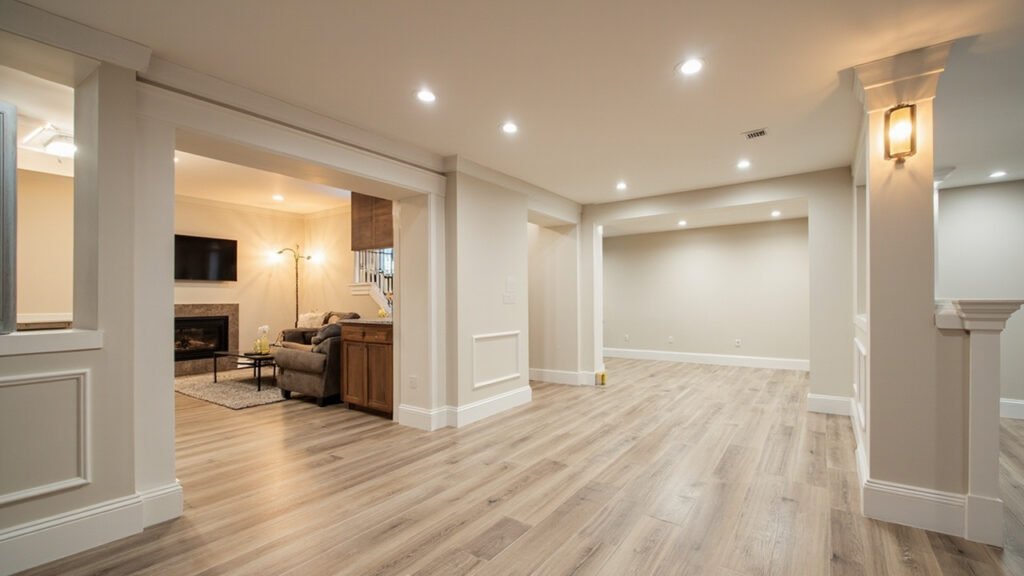
More Greater Boston homeowners are discovering that their basement holds untapped potential—space that could become the home gym they have always wanted. Whether you are tired of fighting traffic to the gym, want a private space for early morning workouts, or need a dedicated area for weight training and cardio, finishing your basement as a home gym makes perfect sense. A basement home gym contractor who understands the unique challenges of below-grade construction can help you create a workout space that is comfortable, durable, and built to last.
Why Basements Make Ideal Home Gym Spaces
Basements offer square footage that often goes underutilized. Unlike converting a bedroom or living area, a basement gym keeps your workout separate from your living space—no equipment cluttering the living room, no noise disrupting family activities. A finished basement gym gives you 24/7 access to your workout without leaving home, which appeals to busy professionals, parents with young children, and anyone who values convenience.
Beyond convenience, basements naturally provide the concrete floors and sturdy walls that gym equipment needs. Heavy squat racks, treadmills, and weight sets are easier to accommodate when you are working with foundation-grade construction. The temperature in a below-grade space also tends to stay more consistent, which helps with year-round comfort during workouts.
Boston Basement Challenges We Handle for You
Greater Boston is known for its beautiful historic homes, but older basements come with their own set of considerations. Many homes in neighborhoods like Newton, Lexington, Wellesley, and Brookline were built decades ago with basements that were never intended for finished living space. Before you can create a home gym, several factors need professional attention.
- Ceiling height: Many older Boston-area basements have lower ceilings that require creative framing and lighting solutions to feel open and comfortable during workouts.
- Moisture management: Below-grade spaces naturally attract moisture through foundation walls and floors. Proper insulation, vapor barriers, and drainage considerations are essential for a durable gym floor that will not warp or grow mold.
- Egress requirements: If your basement does not have adequate emergency egress, local building codes may require an egress window or exterior access as part of any finishing project. This is a safety requirement we plan for from the start.
- Older home construction often means outdated electrical systems that need upgrading to handle the power demands of gym equipment, lighting, and climate control.
Our Professional Basement Gym Finishing Process
As a basement-specialist contractor serving Greater Boston, we have refined our process to deliver results without the headaches that often come with renovation projects. When you work with us, here is what you can expect:
- Clear scope and communication: We start every project with a detailed conversation about your vision, your equipment needs, and how you plan to use the space. This ensures the finished basement gym meets your specific requirements.
- Moisture assessment: Before any construction begins, we evaluate your basement for moisture issues and recommend solutions that will protect your investment for years to come.
- Professional demolition and preparation: Our crews handle the entire scope—demo, framing, insulation, drywall, flooring, painting, trim, lighting, and ceiling solutions. We keep the job site clean and organized throughout the process.
- Licensed trade work: For any electrical or plumbing needs, such as adding outlets near equipment or installing a basement bathroom, our licensed electricians and plumbers handle the work.
- Final walkthrough: We do not consider the project complete until you are fully satisfied with every detail of your new home gym.
What Goes Into a Basement Home Gym Build
Finishing a basement as a home gym involves more than just laying down flooring and painting walls. Here are the key elements we address for every project:
- Insulation and moisture barriers: Proper basement wall insulation with vapor barriers prevents moisture infiltration and helps maintain comfortable temperatures year-round.
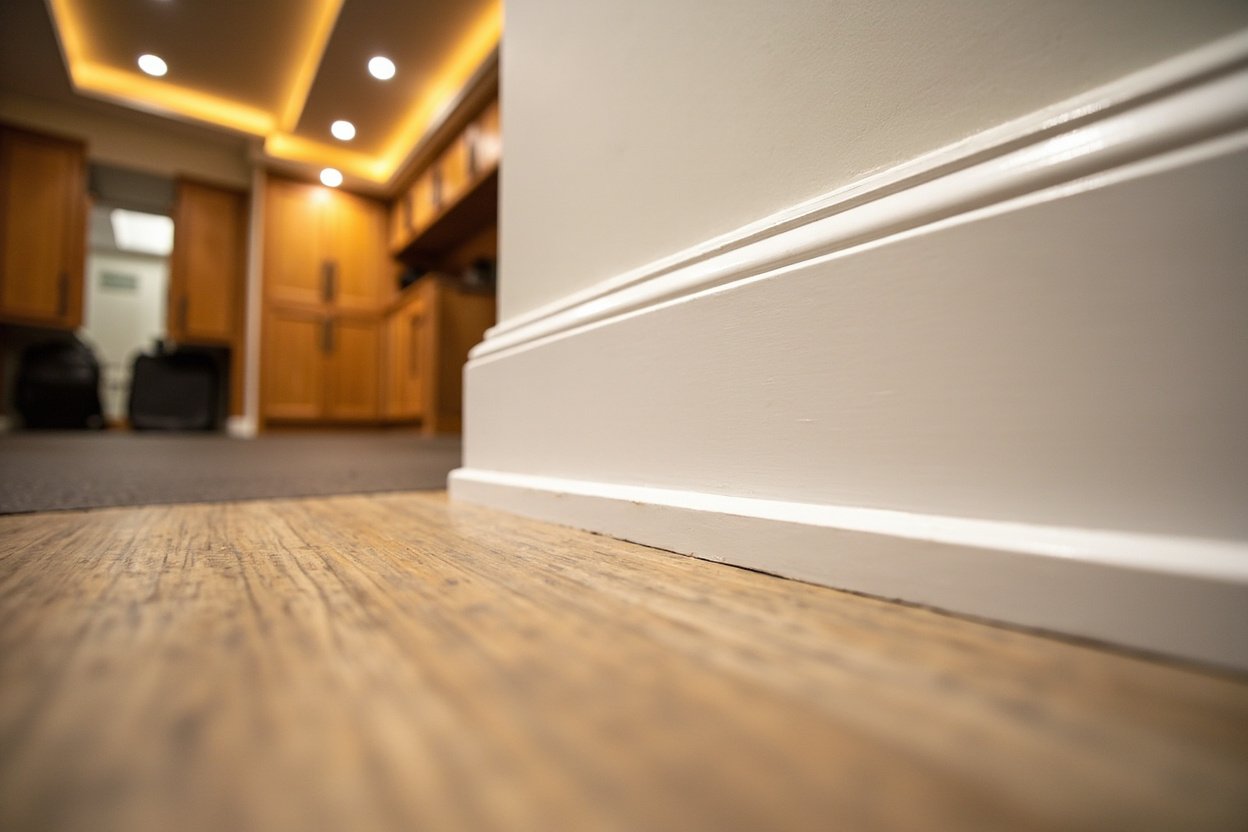
- Durable flooring: We recommend LVP (luxury vinyl plank) or tile flooring for basement gyms because they handle moisture, are easy to clean, and provide a stable surface for equipment.
- Ceiling solutions: Whether you prefer drop ceilings for easy access or drywall for a cleaner look, we help you choose the right option for your space and budget.
- Strategic lighting: Bright, even lighting is essential for a functional gym. We install fixtures that illuminate the space without glare or dark corners.
- Electrical planning: Multiple outlets, dedicated circuits for heavy equipment, and proper surge protection keep your gym powered safely.
- Climate control options: Many homeowners add baseboard heating, a ductless mini-split, or improved ventilation to keep the space comfortable during hot summers and cold winters.
The Benefits of Choosing a Basement Specialist
General contractors can finish a basement, but a basement home gym contractor who focuses specifically on below-grade spaces brings expertise that makes a real difference. We understand how Boston-area soil conditions, regional climate patterns, and local building codes affect basement projects.
Our team at Basement Finishing of Boston has experience with the range of foundation types found in Greater Boston homes—from fieldstone foundations in historic Westwood and Weston homes to poured concrete in newer construction in Braintree and Quincy. That experience helps us anticipate challenges before they become problems.
We also know that a home gym is a long-term investment. By using moisture-aware finishing techniques from the start, we help protect your space from the issues that plague improperly finished basements: mold, musty odors, warped floors, and peeling paint. Our licensed electricians and plumbers ensure that all trade work meets code and is done right the first time.
Ready to transform your basement? Visit our basement finishing page or call (857) 666-8643 for a Free, no-obligation estimate
When planning your basement home gym contractor, focus on proper scope definition, moisture management, and selecting materials suited for below-grade spaces.