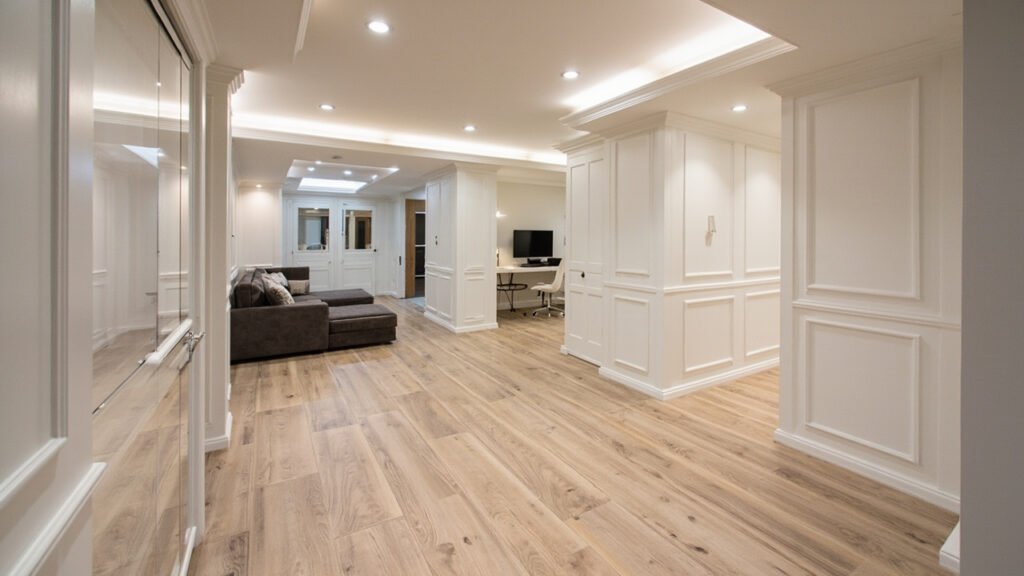
If you own a home in Greater Boston, your basement represents one of the most valuable yet often overlooked spaces in your property. Whether you have a drafty storage area full of forgotten boxes or a damp space that floods during heavy rains, basement renovation in Boston offers homeowners an incredible opportunity to add square footage, increase property value, and create functional living space tailored to their family’s needs.
Why Boston-Area Homeowners Are Investing in Basement Finishing
The Greater Boston housing market consistently ranks among the most competitive in the country. With home prices remaining strong across communities like Newton, Wellesley, Lexington, and Brookline, homeowners are increasingly looking inward rather than outward for additional space. A well-finished basement can add significant living area without the complexity and cost of home additions.
Beyond financial considerations, the shift toward remote work has created unprecedented demand for dedicated home office spaces. Many families find that their existing floor plans simply weren’t designed for the way they live today. A basement renovation provides the perfect opportunity to create a quiet, productive workspace, a playroom for children, a guest suite for visiting family members, or an entertainment area that keeps everyone comfortable without sacrificing main-level living rooms.
Understanding Boston’s Unique Basement Challenges
Basement finishing in Greater Boston isn’t quite like projects in other regions. Our communities are home to many older properties—charming Capes and Colonials built in the mid-20th century alongside historic Victorians and triple-deckers. These homes often present specific challenges that require experienced contractors who understand local construction methods and building codes.
Several factors make Boston basement projects distinctive:
- Ceiling height concerns: Many older Boston-area homes have basement ceiling heights that fall below modern code requirements. Understanding how to maximize headroom while properly addressing moisture, insulation, and egress requirements takes careful planning.
- Moisture management: New England seasons bring significant moisture variation. Summers can be humid, springs bring rain, and snowmelt creates wet conditions. Below-grade spaces require specific waterproofing and ventilation strategies to prevent mold, mildew, and structural damage.
- Frost depth requirements: Boston’s freeze-thaw cycles mean that foundation work and any below-grade construction must account for frost penetration. This affects everything from egress window installation to plumbing placement.
- Egress requirements: Massachusetts building codes require proper egress from finished basement spaces used as sleeping areas. This means larger windows or dedicated exits—requirements that vary based on your municipality within Greater Boston.
What Does a Complete Basement Finishing Project Include?
A professional basement renovation involves several distinct phases, each essential to creating a space that’s beautiful, comfortable, and built to last. Understanding the scope helps you prepare for the process and make informed decisions along the way.
The typical basement finishing process includes:
- Initial assessment and planning: Evaluating existing conditions, identifying moisture issues, measuring ceiling heights, and discussing your vision for the space.
- Moisture remediation: Addressing any water intrusion, improving drainage, and implementing vapor barriers appropriate for below-grade construction.
- Framing and structural work: Building partition walls, soffits to conceal ductwork, and any necessary structural modifications.
- Mechanical work: Coordinating licensed electricians for wiring, outlets, and lighting; licensed plumbers for bathroom additions or wet bar connections.
- Insulation and moisture control: Installing proper insulation to meet Massachusetts energy codes while preventing moisture infiltration.
- Drywall and finishing: Hanging, taping, mudding, and painting walls in your chosen colors.
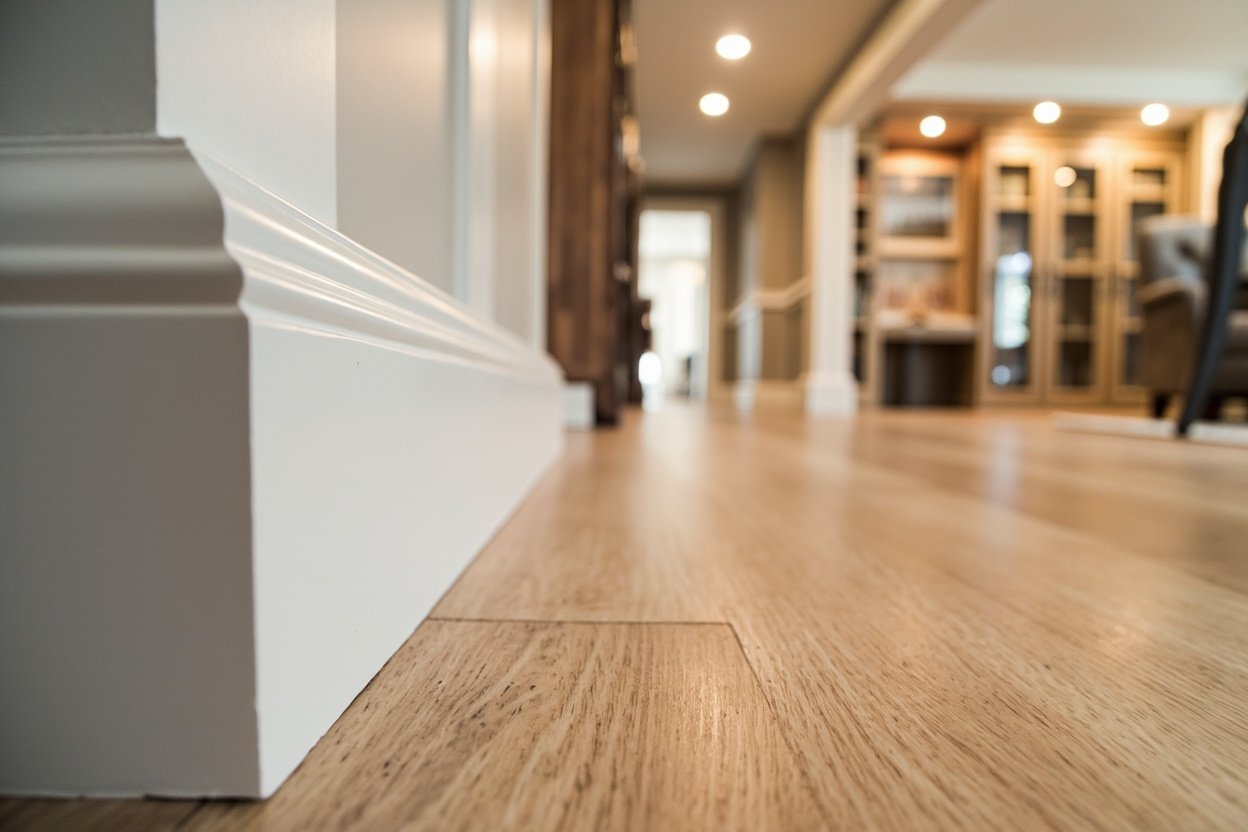
- Flooring installation: Many homeowners choose luxury vinyl plank (LVP) or tile for basement floors due to their moisture resistance and durability.
- Trim, doors, and final details: Installing baseboards, door casings, and any built-in features.
- Lighting and fixtures: Installing recessed lighting, pendant fixtures, or other illumination that transforms the space.
Popular Basement Remodeling Projects in Greater Boston
Homeowners across our service area pursue basement finishing for many reasons. Some of the most requested projects include:
- Family rooms and entertainment spaces: A place for movie nights, game days, and everyday family gatherings that doesn’t disrupt the main living areas.
- Home offices: With remote work becoming permanent for many professionals, a dedicated workspace away from household distractions proves invaluable.
- Fitness rooms and home gyms: Skip the gym membership and work out on your own schedule in a climate-controlled space.
- In-law suites and guest areas: Give visiting family members their own comfortable retreat with privacy and amenities.
- Home theaters: Create a cinematic experience with proper acoustics, lighting, and seating for movie lovers.
- Basement bathrooms: Adding a full or half bath eliminates the need to climb stairs and adds significant convenience and value.
- Wet bars and kitchenettes: Perfect for entertaining or providing refreshments without disturbing the main kitchen.
Moisture-Aware Finishing: Protecting Your Investment
Perhaps the most critical aspect of basement finishing in Boston involves addressing moisture before, during, and after construction. Unlike above-grade rooms, basements face constant exposure to ground moisture and humidity. Cutting corners on moisture management leads to problems that can compromise your investment and create health hazards.
Professional basement finishing includes proper vapor barrier installation, appropriate insulation materials rated for below-grade use, and mechanical ventilation when necessary. We also recommend considering floor systems designed to handle occasional moisture without damage, as even the most well-built basements may experience occasional dampness during extreme weather events common to our New England climate.
The good news? When done correctly, a finished basement provides decades of comfortable living with minimal maintenance beyond routine care.
Working with a Basement Specialist
Basement finishing requires different expertise than typical remodeling. The conditions are unique—working in tight spaces, managing moisture from multiple directions, dealing with below-grade plumbing and electrical, and navigating egress requirements that vary by municipality.
At Basement Finishing of Boston, we’ve built our reputation on understanding these challenges intimately. Our team brings the professional standards and construction expertise of Sun Shore Construction to every basement project. We maintain clean job sites, communicate clearly throughout the process, and deliver finished spaces that perform as beautifully as they look.
We serve homeowners throughout Greater Boston, including Needham, Newton, Lexington, Wellesley, Brookline, Westwood, Weston, Acton, Natick, Wayland, Bedford, Burlington, Quincy, Braintree, and surrounding communities. Whether you’re in a historic home in Lexington, a mid-century ranch in Natick, or a contemporary house in Wellesley, we have the experience to transform your basement into space you’ll love.
Ready to transform your basement? Visit our basement finishing page or call (857) 666-8643 for a Free, no-obligation estimate
Your basement has been waiting. Let’s unlock its potential together.
When planning your basement renovation boston, focus on proper scope definition, moisture management, and selecting materials suited for below-grade spaces.