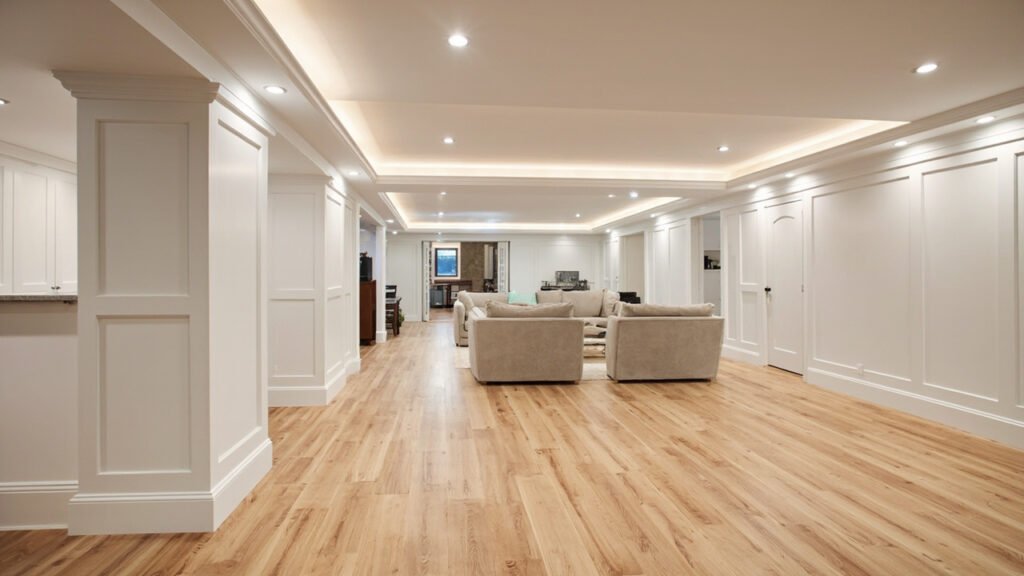
Boston-area homeowners are increasingly discovering that their basements hold untapped potential worth far more than simple storage space. If you’ve been wondering whether finishing your basement is worth the investment, you’re not alone. This guide breaks down the real value of a finished basement in Boston and what you can expect from the process.
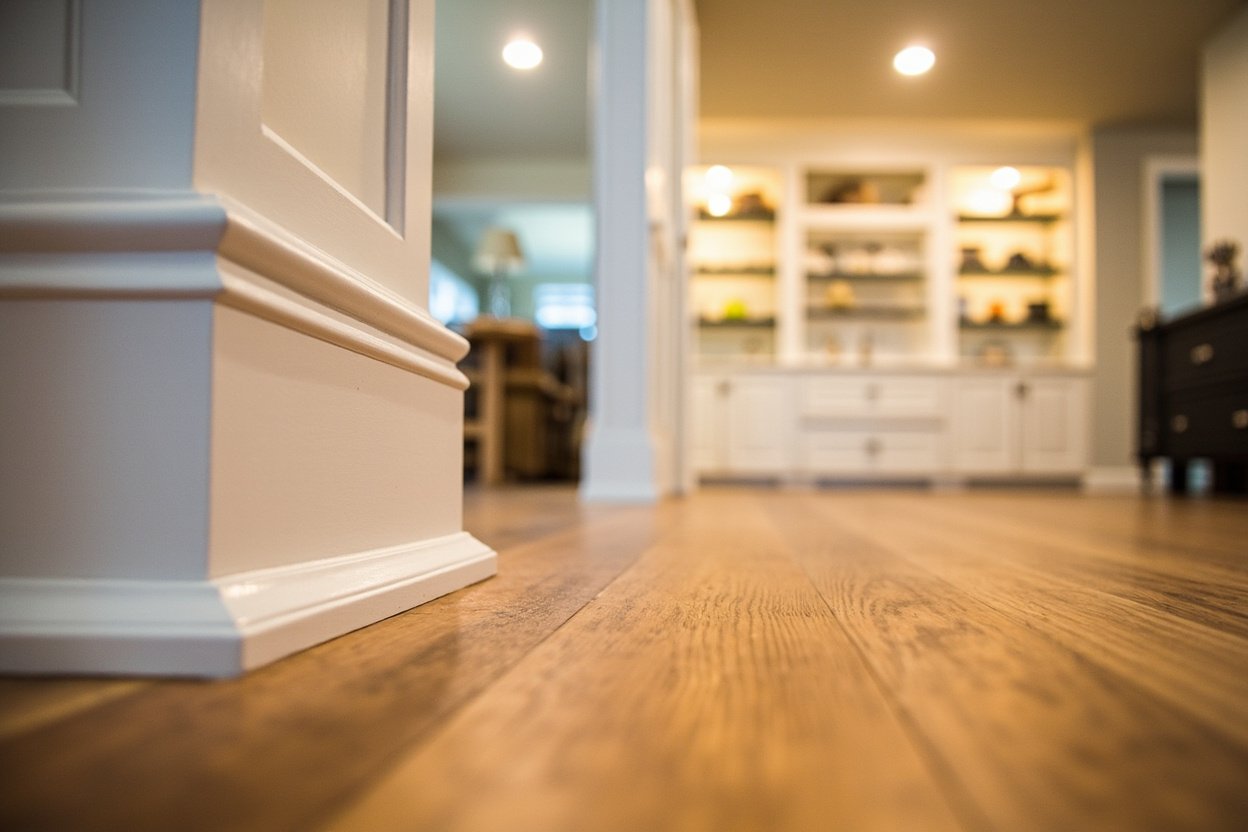
Why Boston Basements Are Different
Boston’s housing stock includes many older homes built decades or even a century ago, which means basement characteristics here often differ significantly from newer construction in other parts of the country. Understanding these local considerations helps you make informed decisions about your finishing project.
Most Boston-area homes have concrete foundation walls, which provide a solid structure but can present moisture challenges given our region’s humidity and seasonal weather patterns. Additionally, many older Boston homes were built with lower ceiling heights than modern standards, which affects design options and finishing approaches. These factors don’t make basement finishing impossible—in fact, they make professional expertise essential for getting the job done right.
The Financial Value of a Finished Basement
A well-finished basement offers one of the best returns on investment among home improvement projects in the Greater Boston area. Consider these key benefits:
- Increased living space without the cost of a full addition—you gain square footage at a fraction of the price of building upward or outward
- Higher property values—a finished basement typically adds significant value to your home’s assessed and market value
- Energy efficiency improvements—proper insulation and air sealing through basement finishing can reduce your heating and cooling costs
- Broader buyer appeal—finished basements are attractive features for families, remote workers, and multigenerational households
Real estate professionals consistently report that updated living spaces in basements help homes sell faster and at better prices in competitive Boston-area markets like Newton, Wellesley, Lexington, and Brookline.
Common Uses for Finished Basements in Greater Boston
Today’s homeowners are getting creative with their basement spaces. Popular finishing projects in our service area include:
- Family rooms and entertainment spaces—creating comfortable gathering areas for movie nights, game days, and everyday living
- Home offices and workspaces—dedicated quiet spaces for remote work that keep household chaos at bay
- Home gyms and wellness areas—private workout spaces that eliminate gym memberships and commute time
- In-law suites and guest quarters—accommodating extended family while maintaining privacy
- Home theaters and media rooms—dedicated entertainment spaces with optimal acoustics and lighting
- Basement bathrooms and wet bars—adding convenience and functionality for guests and daily use
Addressing Boston’s Unique Basement Challenges
Professional basement finishing in our area requires specialized knowledge of below-grade construction and New England climate conditions. Key considerations include:
Moisture Management
Boston’s humidity levels and proximity to water features in communities like Quincy, Braintree, and along the coast make moisture control essential. Professional contractors use moisture-resistant materials, proper vapor barriers, and dehumidification strategies to protect your investment and ensure healthy indoor air quality.
Ceiling Height and Egress Requirements
Building codes require adequate ceiling height and proper egress options for finished basement spaces used as living areas. Our team understands local requirements in communities like Westwood, Weston, and Needham, and we design solutions that meet code while maximizing your available space.
Insulation and Energy Performance
Proper insulation is critical for comfort and efficiency in below-grade spaces. We use proven techniques and quality materials to create comfortable basement environments year-round, reducing energy costs and improving your home’s overall performance.
What’s Included in Professional Basement Finishing
Our comprehensive finishing process covers every aspect of transforming your basement:
- Initial assessment and design planning—evaluating your space, discussing goals, and creating a detailed scope
- Framing and structural work—building the framework for walls, soffits, and built-in features
- Electrical and plumbing—licensed professionals handle all trade work, including basement bathrooms, outlets, and lighting
- Insulation and vapor barriers—proper thermal and moisture protection
- Drywall, painting, and trim work—clean finishes that match your home’s style
- Flooring installation—options including luxury vinyl plank, tile, and other moisture-resistant materials
- Lighting and finishing details—pot lights, fixtures, and final touches
Making the Most of Your Investment
The value of your finished basement depends not just on the quality of construction but also on thoughtful design that matches your lifestyle. Whether you’re creating a quiet home office in Lexington, a playroom for growing kids in Natick, or a guest suite for visiting family in Wayland, the key is planning for how you’ll actually use the space.
Professional finishing also means proper permits and inspections, which protect you as a homeowner and ensure your space meets all applicable building codes. This documentation becomes valuable when it’s time to sell your home.
Boston homeowners who invest in professional basement finishing consistently report high satisfaction with both the process and the results. The combination of increased living space, improved home value, and enhanced daily comfort makes basement finishing one of the smartest investments you can make in your home.
Ready to transform your basement? Visit our basement finishing page or call (857) 666-8643 for a Free, no-obligation estimate
When planning your value of finished basement boston, focus on proper scope definition, moisture management, and selecting materials suited for below-grade spaces.