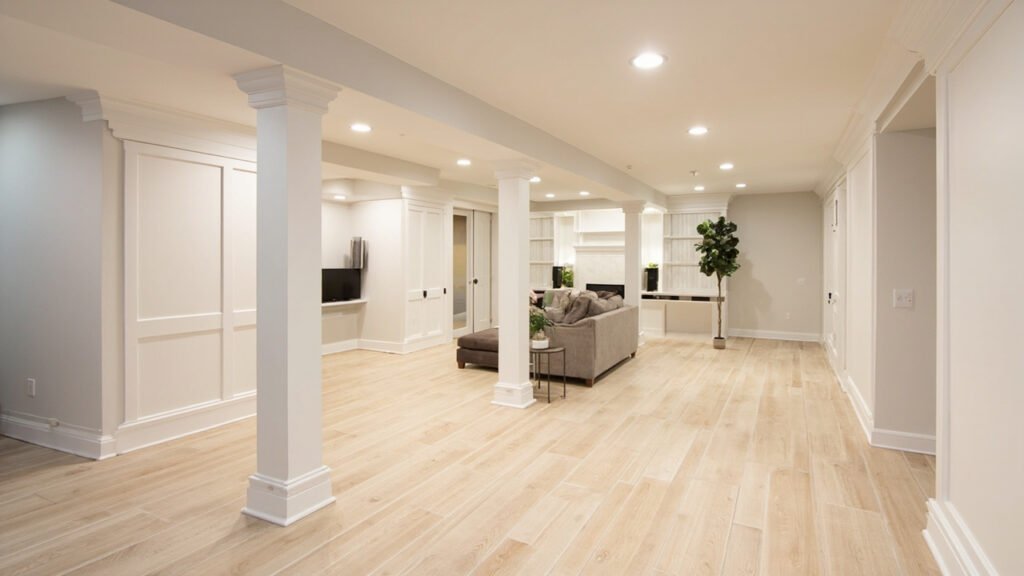
Boston-area homeowners are rediscovering one of the most valuable spaces in their homes: the basement. With real estate prices consistently high across Greater Boston communities like Newton, Wellesley, Lexington, and Brookline, turning an unfinished basement into functional living space makes more sense than ever. If you have been searching for basement remodeling in Boston, this guide walks you through everything you need to know before you begin.
Why Boston Basements Deserve Special Attention
Boston-area homes present unique challenges that require basement-specific expertise. Many homes in communities like Needham, Weston, and Westwood were built in the early-to-mid 20th century, meaning their foundations were constructed with fieldstone, brick, or concrete blocks that may show signs of age. These older foundations often have varying wall thicknesses, non-standard dimensions, and moisture patterns quite different from newer construction.
Beyond foundation age, New England weather brings humidity fluctuations that can challenge any below-grade space. A basement finishing approach designed for Boston’s climate addresses these moisture concerns from the start, preventing issues that could compromise your investment years down the road.
Popular Basement Remodeling Projects for Greater Boston Homes
Homeowners across the Boston metro area are transforming their basements into diverse functional spaces. The most common projects we see include:
- Family Rooms and Recreation Areas — Perfect for growing families in Newton and Wellesley looking for informal living space without the formality of an above-grade addition
- Home Offices — Remote work has made dedicated office space essential; a basement provides privacy and separation from household activity
- Guest Suites and In-Law Apartments — Multi-generational living solutions that add genuine value to homes in communities like Bedford, Burlington, and Acton
- Home Theaters and Media Rooms — Below-grade spaces naturally offer superior sound isolation
- Home Gyms — Climate-controlled basement gyms eliminate weather concerns and gym memberships
- Basement Bathrooms and Wet Bars — Adding plumbing makes these spaces truly self-contained
The Basement Remodeling Process: What to Expect
Working with a basement-specialist contractor means understanding the full scope involved. A typical basement finishing project includes several phases:
- Initial Assessment and Moisture Evaluation — We examine your foundation walls, floor conditions, and existing water management before any work begins
- Design and Planning — Layout decisions account for ceiling height challenges common in older Boston homes, egress window requirements, and optimal placement of any new plumbing or electrical
- Framing and Structural Work — Walls are framed with proper clearance from foundation walls to allow air circulation and moisture management
- Insulation and Moisture Barriers — Critical in below-grade applications; we use approaches specifically suited to Boston’s climate and soil conditions
- Electrical and Plumbing Rough-In — Licensed electricians and plumbers handle all trade work, including basement bathroom installations and kitchenette rough-ins
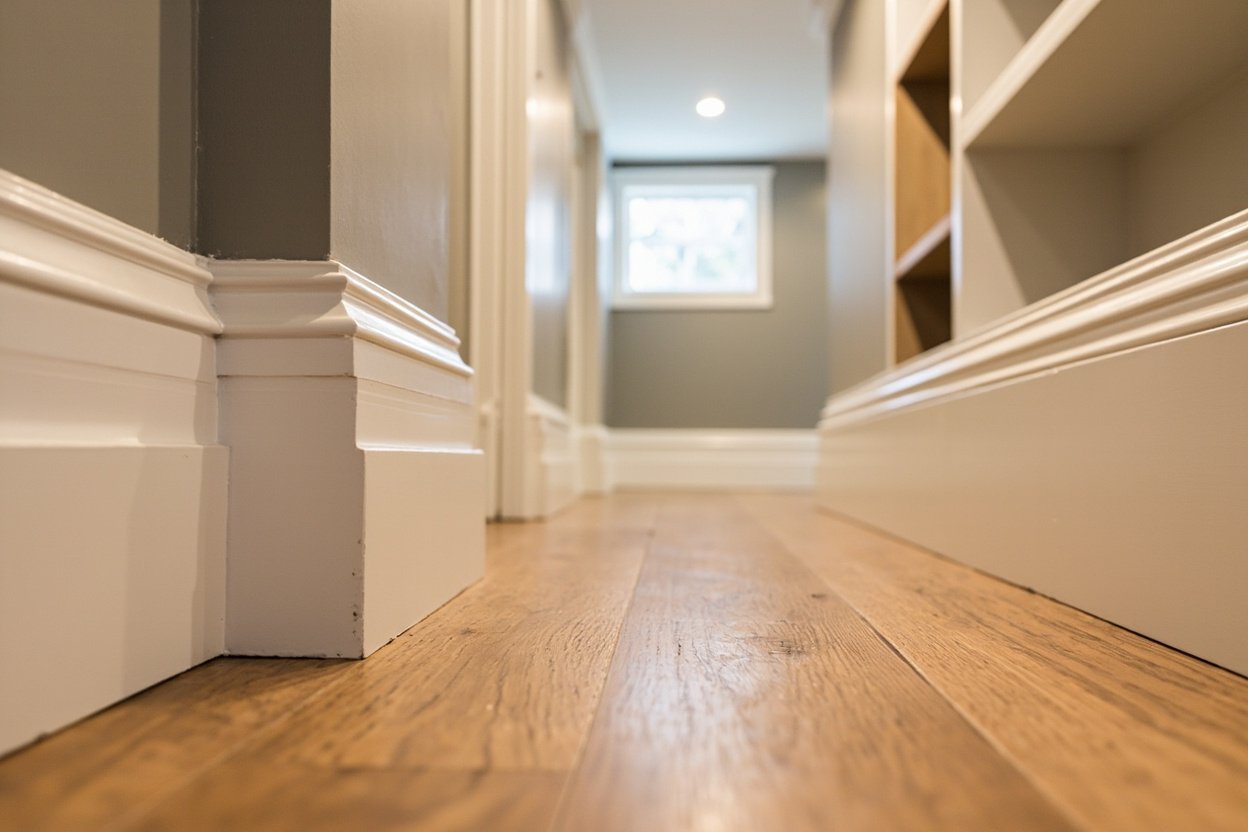
- Drywall, Trim, and Finishing — Walls, ceilings, and millwork complete the transformation
- Flooring, Painting, and Lighting Installation — LVP flooring, tile, and modern lighting solutions bring the space to life
Key Considerations for Your Boston Basement Project
Before starting your basement remodel, keep these important factors in mind:
- Ceiling Height Requirements — Local codes typically require a minimum ceiling height for livable basement space. Older Boston-area homes may need creative solutions like dropped ceilings with integrated lighting or exposed beams to meet requirements while maintaining a comfortable feel
- Egress Windows and Emergency Exits — Building codes in Massachusetts require basement sleeping rooms to have egress windows. We handle egress window installation as part of many finishing projects, ensuring your space meets all safety requirements
- Moisture Management — Even in dry-appearing basements, below-grade spaces require proper vapor barriers, dehumidification planning, and sometimes interior drainage solutions. A moisture-aware finish protects your investment and your indoor air quality
- Stair Updates — Basement stairs in older homes often need widening, railing updates, or headroom improvements to meet current codes and improve usability
Making the Most of Your Boston Basement Investment
A well-finished basement typically offers one of the highest returns on investment among home improvement projects in the Boston area. Beyond the financial benefit, you gain functional square footage without the cost and disruption of an above-grade addition. Whether you are creating a cozy family room for movie nights in Wayland, a productive home office near Natick, or a comfortable guest suite for visitors in Quincy, the possibilities are tailored to how your family actually lives.
The key is working with contractors who understand Boston-area construction specifically. Foundations here behave differently than in newer developments. Moisture patterns vary by neighborhood and soil type. A basement finishing specialist recognizes these regional differences and builds accordingly.
Ready to transform your basement? Visit our basement finishing page or call (857) 666-8643 for a Free, no-obligation estimate
When planning your basement remodeling boston, focus on proper scope definition, moisture management, and selecting materials suited for below-grade spaces.