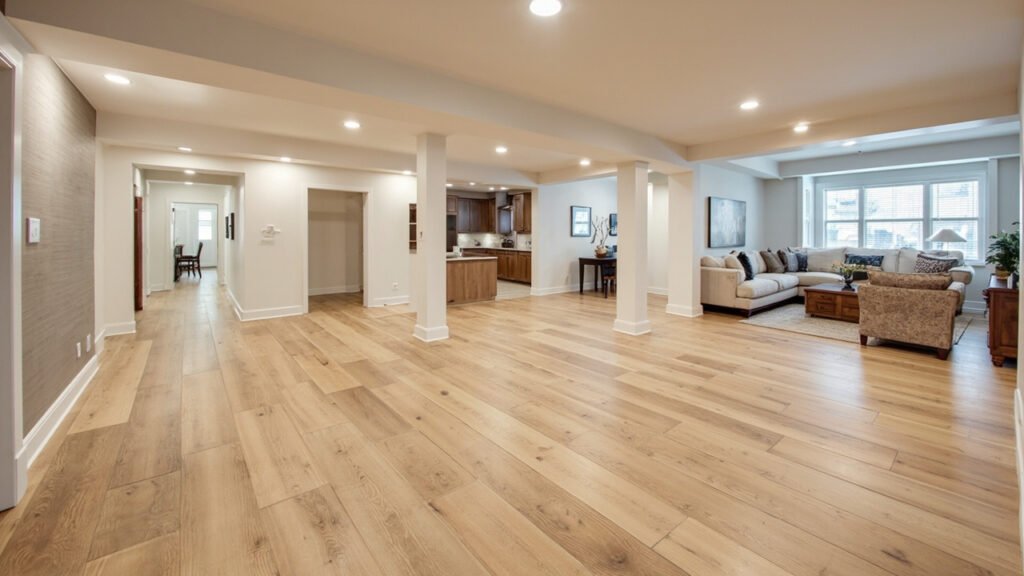
Your basement has been sitting unused for years—maybe it is just storage, maybe a laundry area, maybe a space you wish your family actually spent time in. If you are a homeowner in Quincy MA or the Greater Boston area, you are sitting on some of the most valuable square footage in your home. Finishing that space is one of the smartest investments you can make, but basement remodeling comes with its own set of considerations that a traditional home addition does not. This guide walks you through what you need to know before you tear out the first wall.
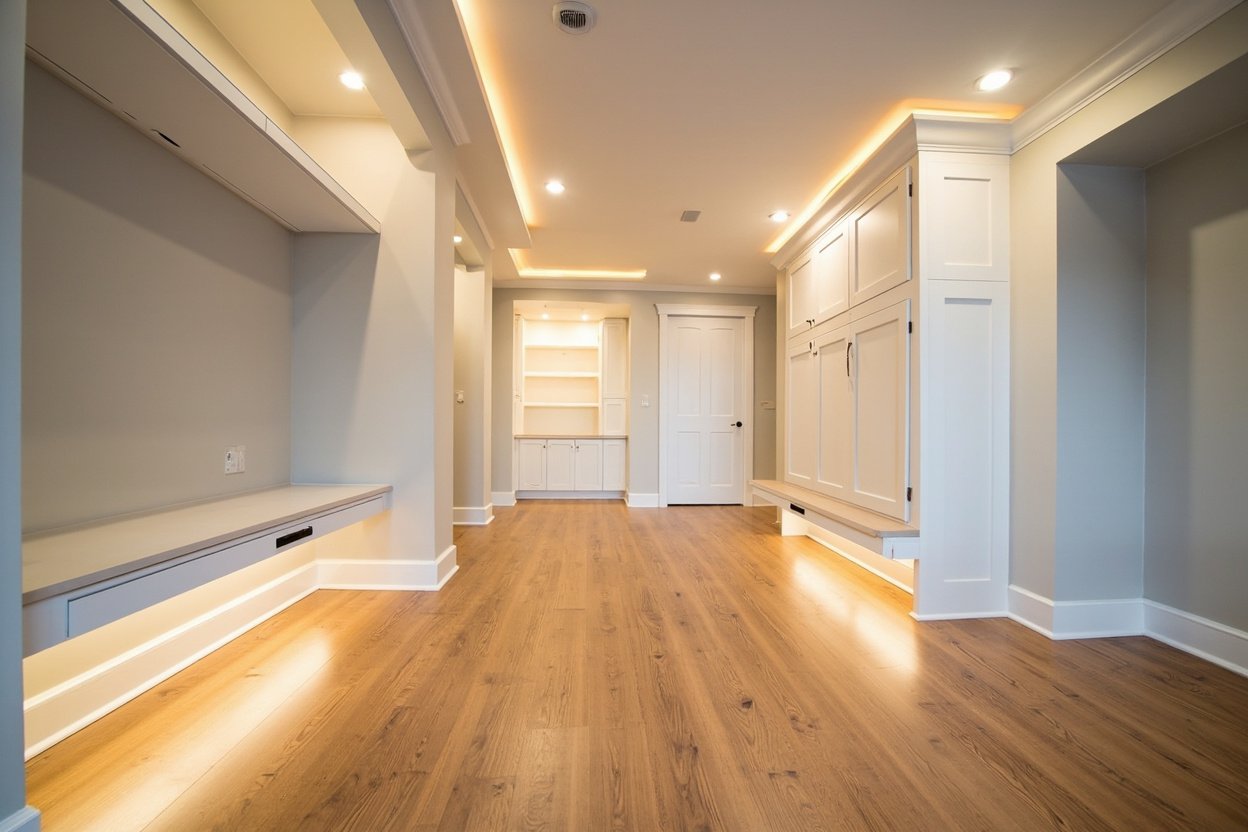
Why Quincy Homeowners Are Finishing Their Basements
Quincy and the surrounding communities—including Braintree, Weymouth, and Milton—have a housing stock dominated by older homes built through the mid-20th century. Those homes often have spacious basements that were never intended to be lived-in spaces. Today, as families grow and home office needs rise, more homeowners are choosing to transform that raw concrete square footage into usable living area.
Finishing a basement can add meaningful value to your home while giving your household the extra room it needs. Whether it is a home theater for movie nights, a gym that saves you a gym membership, or a guest suite for visiting family, a finished basement changes how your home works for you.
What a Typical Basement Remodeling Scope Looks Like
Every basement project is different, but most finishing jobs follow a similar sequence of steps. Understanding this process helps you ask better questions and feel more confident when you meet with a contractor.
- Initial assessment and design planning — measuring the space, checking ceiling height, evaluating moisture conditions, and discussing your vision
- Framing — building the walls that define the new rooms and separate functional areas
- Insulation — installing proper basement-rated insulation in walls and sometimes ceilings to control temperature and moisture
- Electrical and plumbing rough-in — licensed electricians and plumbers running wiring and pipes before walls are closed
- Drywall and taping — creating smooth, finished walls ready for paint
- Flooring — installing moisture-resistant flooring such as luxury vinyl plank (LVP) or tile
- Painting, trim, and finishing — final details that make the space feel like the rest of your home
- Lighting and fixtures — recessed lights, surface-mounted fixtures, switches, and outlets
That list covers the essentials. From there, optional additions like a basement bathroom, wet bar or kitchenette, egress windows, or an updated staircase can take your project to the next level.
Special Considerations for Greater Boston Basements
Basements in Quincy MA and the surrounding towns present some unique challenges that a general contractor may not be equipped to handle. These are the areas where basement-specific expertise really matters.
Moisture Management
Below-grade spaces are naturally prone to moisture. Even in homes that seem dry, water vapor can seep through concrete foundation walls over time. Before any finishing work begins, a basement specialist will assess your foundation for signs of water intrusion and recommend solutions such as vapor barriers, dehumidification systems, or waterproofing measures. Skipping this step is one of the most common mistakes homeowners make, and it can lead to mold, damaged drywall, and warped flooring within a few years.
Ceiling Height
Many older homes in the Greater Boston area have basement ceilings that sit below seven feet—sometimes much lower. Building codes typically require a minimum ceiling height for habitable spaces, but the rules can vary depending on your town and the specific use of the space. A professional basement finishing team will take accurate measurements early and discuss how to maximize headroom, whether that means choosing a thinner ceiling system or relocating ductwork.
Egress Requirements
If your basement will serve as a bedroom, guest suite, or any space where someone might sleep, building codes require a legal means of egress—a window well and window large enough to climb out of, or a separate exterior door. This is not optional in Massachusetts, and it is an area where code compliance really matters. Adding egress windows also brings natural light into what would otherwise be a dark, cave-like space, which most homeowners find transformative.
Working Around Existing Systems
Basements in older homes often have a tangle of existing plumbing stacks, ductwork, and electrical panels running across the ceiling and walls. A basement specialist knows how to work around—or strategically relocate—these elements to create clean, open spaces without unnecessary soffits. The result is a finished ceiling that feels higher and more intentional.
Popular Basement Finishing Projects in Quincy MA
Homeowners across the region are using basement finishing to solve real problems. Here are some of the most common requests we see.
- Family rooms and rec rooms — open, flexible spaces for everyday living, movie nights, and kid activities
- Home offices — quiet, dedicated workspaces that separate work life from home life
- Home gyms — a private workout space that does not take over a living area
- In-law suites and guest areas — self-contained spaces with a bedroom, bathroom, and small living area
- Home theaters — sound-insulated rooms built for entertainment
- Basement bathrooms and wet bars — adding plumbing and fixtures to make the space fully functional
How to Choose the Right Basement Remodeling Contractor
Not every contractor who hangs a shingle is qualified to finish a basement properly. Look for a team that specializes in below-grade remodeling and understands the specific challenges of moisture, ventilation, and code compliance in Boston-area homes. Ask about their process for moisture assessment, their experience with egress window installation, and whether they use licensed electricians and plumbers for trade work rather than subcontractors with unknown qualifications.
A professional basement finishing company will be able to walk you through the scope, explain why certain steps are necessary, and give you a clear picture of what your finished space will look like. Clean job sites, clear communication, and a defined scope are signs you are working with a team that takes its craft seriously.
Getting Started with Your Quincy MA Basement Project
If you have been thinking about finishing your basement, now is a good time to explore what is possible. A professional assessment takes a short amount of time and gives you a realistic picture of the scope, any challenges specific to your home, and the options available within your budget. Whether you are ready to start or just want to learn more, the right contractor will meet you where you are.
Ready to transform your basement? Visit our basement finishing page or call (857) 666-8643 for a Free, no-obligation estimate
When planning your basement remodeling quincy ma, focus on proper scope definition, moisture management, and selecting materials suited for below-grade spaces.