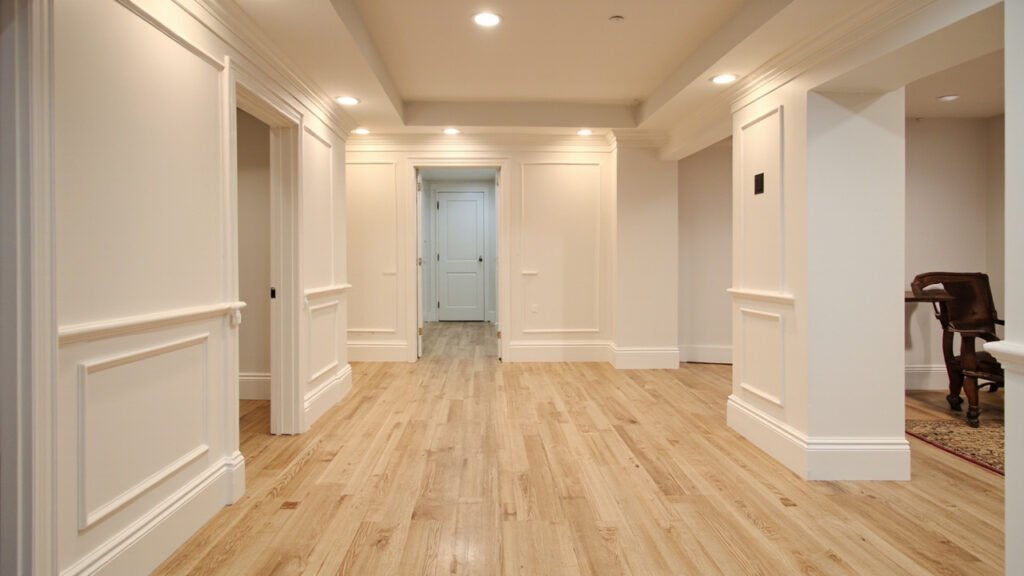
Thinking about basement remodeling in Boston? You’re not alone. Greater Boston homeowners increasingly recognize that their basement square footage represents some of the best potential living space in the region—whether that is a cozy family room, a productive home office, or a fully equipped in-law suite. Before you start tearing out old paneling or shopping for flooring, there are several Boston-specific considerations that can make or break your project.
Why Basements in Boston Behave Differently
Boston’s housing stock includes a remarkable number of older homes built in neighborhoods like Newton, Lexington, Wellesley, and Brookline. These properties often feature foundations made of stone or older concrete, sometimes with limited headroom and unconventional layouts. Unlike newer construction in areas such as Westwood or Burlington, a basement in a 1920s Colonial or a mid-century ranch requires a different approach to finishing.
Boston’s climate brings hot, humid summers and cold, snowy winters. That temperature swing, combined with the naturally damp conditions of below-grade spaces, means moisture management is not optional—it is the foundation of a successful basement remodel. Without proper attention to vapor barriers, insulation, and ventilation, you risk mold, wood rot, and damage to your finished space within just a few years.
The Basement Remodeling Process: What to Expect
A professional basement finishing project typically follows a structured process. Understanding these steps helps you feel confident and prepared from the first consultation through final walkthrough.
- Initial assessment: We evaluate your basement’s current condition, moisture levels, ceiling height, and structural elements.
- Design and planning: Together we map out your vision—family room, home gym, guest suite, or home theater—and translate that into a clear scope and layout.
- Framing and insulation: Walls are framed to code, and premium insulation is installed to create a comfortable, energy-efficient environment.
- Electrical and plumbing: Licensed electricians and plumbers handle wiring, outlets, lighting circuits, and any basement bathroom or wet bar plumbing.
- Drywall, trim, and finishing: Surfaces are taped, mudded, painted, and trimmed with attention to detail that matches the rest of your home.
- Flooring and fixtures: LVP flooring, tile, lighting, and any special features are installed and inspected.
Popular Basement Remodeling Ideas for Boston Homes
Greater Boston homeowners pursue basement finishing for many reasons, and the finished spaces reflect the diversity of how families live today.
- Family rooms: A durable, comfortable space where kids can play, movie nights happen, and extended family gathers during holiday visits.
- Home offices: With remote and hybrid work now standard for many Boston-area employers, a dedicated, quiet workspace downstairs can transform your daily productivity.
- Home gyms: Skip the gym commute and create a climate-controlled workout zone with rubber flooring and proper ventilation.
- In-law suites and guest areas: Multigenerational living is increasingly common around Wellesley, Needham, and Lexington. A self-contained guest suite with a bathroom provides privacy and independence.
- Home theaters and wet bars: Entertainment-focused basement spaces add real value and enjoyment for homeowners who love hosting.
Addressing Common Boston Basement Challenges
Every basement presents unique challenges, and homes in Greater Boston are no exception. Here are the most common issues we address during basement remodeling projects.
Moisture and Humidity
Boston’s humidity peaks in summer, and basements are particularly vulnerable. We recommend and install proper vapor barriers, exterior-grade insulation, and dehumidification solutions as standard practice. During our initial assessment, we identify any existing water intrusion and recommend remediation before any finishing work begins.
Ceiling Height and Egress
Many older Boston-area homes were built with basement ceilings lower than modern code requires for habitable rooms. Depending on your intended use, we can advise on options including lowering the floor, modifying stair access, or installing egress windows to meet safety requirements while maximizing the space you have.
Outdated Utilities and Wiring
Homes in Bedford, Acton, Natick, and Wayland frequently have electrical panels and plumbing that date back several decades. Our licensed electricians and plumbers update these systems as part of the scope, ensuring your new basement space is safe, code-compliant, and ready for modern appliances and electronics.
What Basement Remodeling Costs in the Boston Area
Every basement project is different, which is why we never offer generic pricing without a thorough site visit. The cost of your basement remodel depends on several factors, including the condition of your existing space, the complexity of your layout, and the finish level you choose.
Basement bathrooms, egress window installations, wet bar buildouts, and structural modifications each add to the scope and budget. The best way to get an accurate estimate is to schedule a free consultation where we can walk the space, discuss your goals, and outline exactly what your project requires.
We maintain clean job sites, communicate clearly throughout every phase, and treat your home with the respect it deserves. Our team has experience finishing basements in single-family homes, split-levels, and townhouses across Quincy, Braintree, Weston, and beyond.
Getting Started with Your Boston Basement Project
Basement remodeling is one of the smartest investments you can make in your home. It adds usable square footage, increases property value, and gives your household flexibility for years to come. Whether you need a simple family room refresh or a full in-law apartment with its own bathroom and kitchenette, working with a basement specialist makes all the difference.
Ready to transform your basement? Visit our basement finishing page or call (857) 666-8643 for a Free, no-obligation estimate
When planning your basement remodeling boston, focus on proper scope definition, moisture management, and selecting materials suited for below-grade spaces.