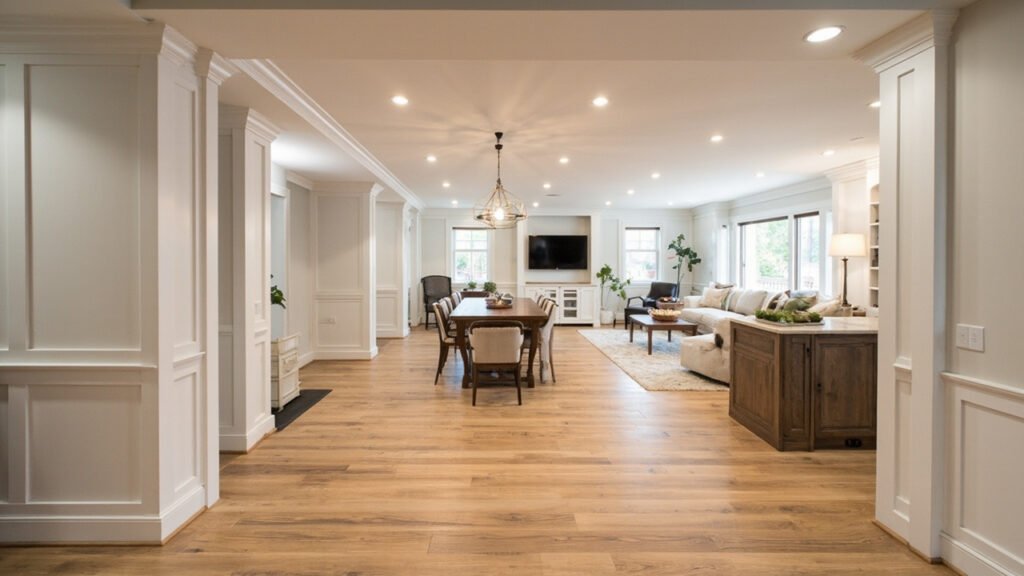
When you own a home in Greater Boston, you’re already sitting on untapped square footage. Your unfinished basement represents one of the smartest investments you can make in your property. Understanding the value of a finished basement in Boston starts with recognizing that below-grade space, when properly finished, transforms from a storage area into functional living space that works for your family’s unique needs.
Why Basement Finishing Makes Sense for Boston Homeowners
Greater Boston homeowners face a competitive real estate market where every square foot matters. A professionally finished basement adds usable living space without the cost of building an addition. Whether you’re in a colonial in Wellesley, a ranch in Weston, or a split-level in Newton, your basement is waiting to become the room your family needs most.
The value of finished basement space extends beyond simple square footage calculations. It affects how your home functions for daily life, how attractive it looks to future buyers, and how efficiently you use your entire property. Boston-area homes, many built in the early-to-mid 20th century, often have basements with good ceiling heights and solid foundations that are ideal candidates for finishing.
Boston-Specific Considerations for Basement Projects
Finishing a basement in the Greater Boston area comes with unique challenges that experienced local contractors understand intimately. Older homes in communities like Lexington, Brookline, and Westwood often have basements with unconventional layouts, varying ceiling heights, and foundations that require careful assessment before work begins.
Ceiling height requirements are a common consideration in Boston-area basements. While building codes typically require a minimum clearance, many older homes have floor-to-ceiling measurements that are tighter than modern standards. A skilled basement finishing contractor can work with these constraints, sometimes using dropped lighting, strategic soffits, and creative design to maximize the sense of openness.
Egress requirements are critical for any basement living space in Massachusetts. If your basement will serve as a bedroom, guest suite, or in-law apartment, you’ll need proper egress windows or a secondary exit that meets code. This isn’t just a regulatory requirement—it’s a life-safety feature that protects your family.
- Assess existing ceiling height and foundation condition
- Determine egress window requirements for intended use
- Evaluate existing drainage and moisture history
- Review utility locations (HVAC, electrical panel, plumbing)
- Check local permit requirements for your specific town
Popular Basement Finishing Projects in Greater Boston
Homeowners throughout the region are discovering how versatile a finished basement can be. The best basement finishing contractors work with you to understand your family’s lifestyle and create spaces that truly serve your needs.
Family rooms and entertainment spaces remain the most popular basement finishing project. A finished basement family room gives you a casual, comfortable space for movie nights, game days, and everyday living without impacting the main living areas of your home.
Home offices became essential for many Greater Boston families, and a basement office provides a dedicated workspace separated from household distractions. Proper lighting, ventilation, and climate control make these spaces genuinely functional for daily work.
In-law suites and guest areas are increasingly popular as families seek multigenerational living solutions. A finished basement with its own bathroom, kitchenette, and private entrance creates comfortable accommodations for aging parents, adult children, or frequent guests.
Home gyms and wellness spaces eliminate the need for expensive gym memberships while providing convenient access to exercise equipment. Basements offer natural sound containment that makes them ideal for workouts without disturbing the rest of the household.
What the Basement Finishing Process Looks Like
A professional basement finishing project follows a clear process that keeps your project on track and your home protected. Understanding what to expect helps you prepare and ensures smooth communication throughout your project.
The typical basement finishing process includes several key phases:
- Initial assessment and design consultation
- Detailed scope development and permitting
- Demolition and preparation of existing space
- Framing and structural modifications
- Electrical and plumbing rough-in work
- Insulation installation (critical for below-grade spaces)
- Drywall, taping, and finishing
- Flooring installation (LVP and tile are popular choices)
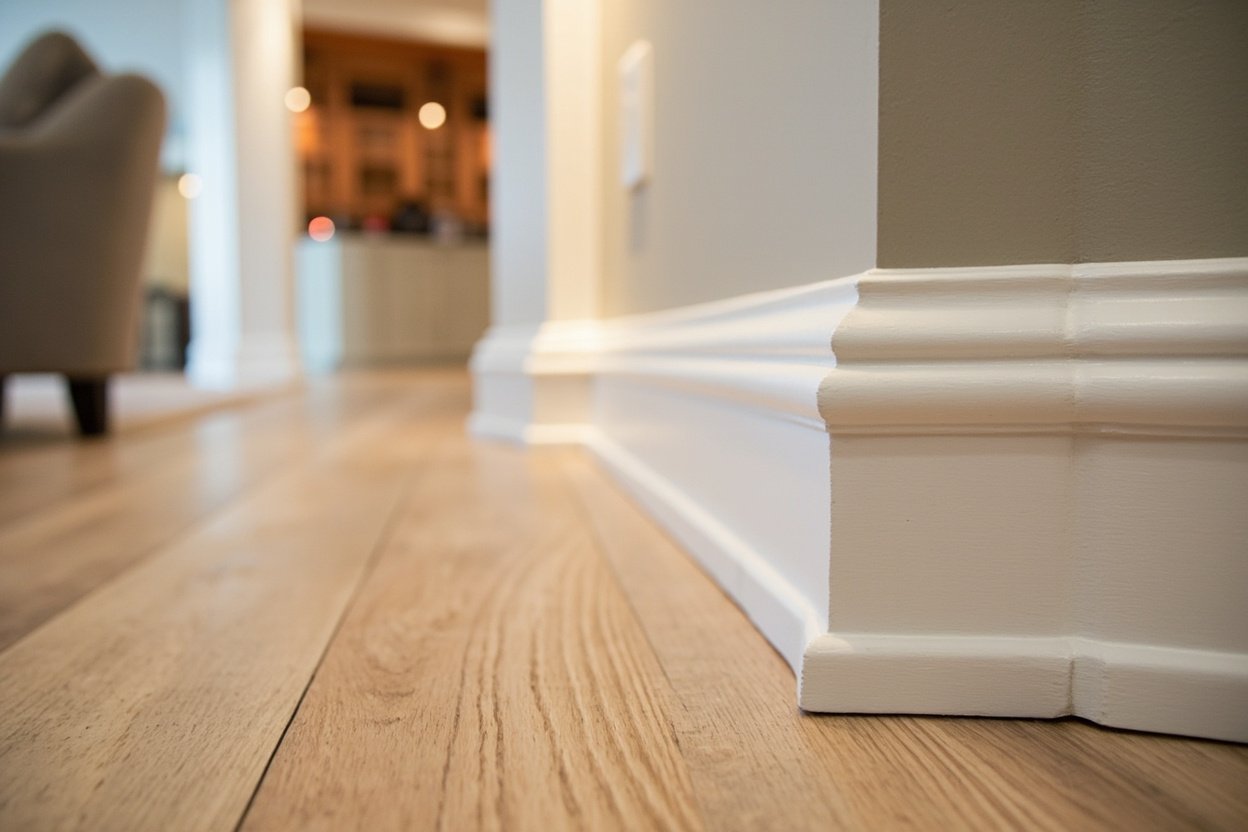
- Painting, trim work, and final details
- Lighting, fixtures, and final inspections
Moisture-aware finishing is essential for any below-grade project. Professional contractors understand that basements require specific attention to vapor barriers, insulation R-values, and material selection to prevent moisture problems down the road. This isn’t a place to cut corners—proper moisture management protects your investment for years to come.
Adding Value to Your Boston-Area Home
The return on investment for basement finishing varies by neighborhood and project scope, but finished basements consistently add value to Greater Boston properties. Real estate professionals recognize that move-in-ready finished basement space appeals to buyers who want flexibility without renovation projects.
Beyond financial value, a finished basement improves how your home functions for your family right now. The best return comes from finishing a basement that solves your specific needs—whether that’s a quiet space for teenagers, an accessible suite for aging relatives, or simply more room for everyone to spread out.
Working with a basement-specialist contractor means your project gets the focused attention it deserves. Basement finishing requires different expertise than above-grade remodeling, and contractors who specialize in this work understand the unique considerations that make below-grade projects successful.
Ready to transform your basement? Visit our basement finishing page or call (857) 666-8643 for a Free, no-obligation estimate
When planning your value of finished basement boston, focus on proper scope definition, moisture management, and selecting materials suited for below-grade spaces.