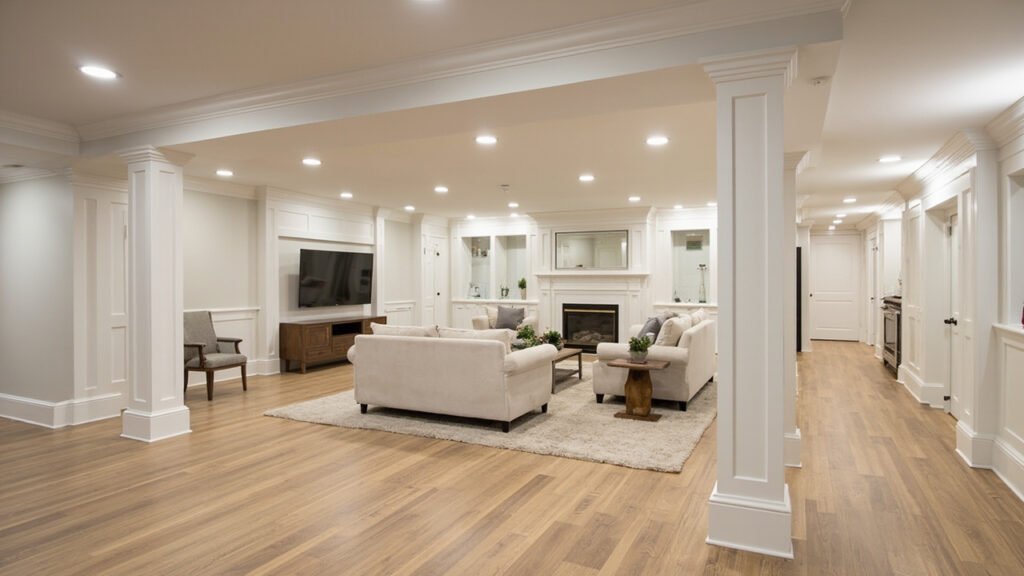
Adding a basement bathroom addition to your Boston-area home can dramatically increase your living space, improve your property value, and make your lower level far more functional for your family. Whether you’re finishing a basement for an in-law suite, a home gym, or a guest area, a bathroom on-site eliminates the need to climb stairs every time someone needs to use the facilities. If you’re a homeowner in Greater Boston looking to add this valuable feature, here’s what you need to know about the process.
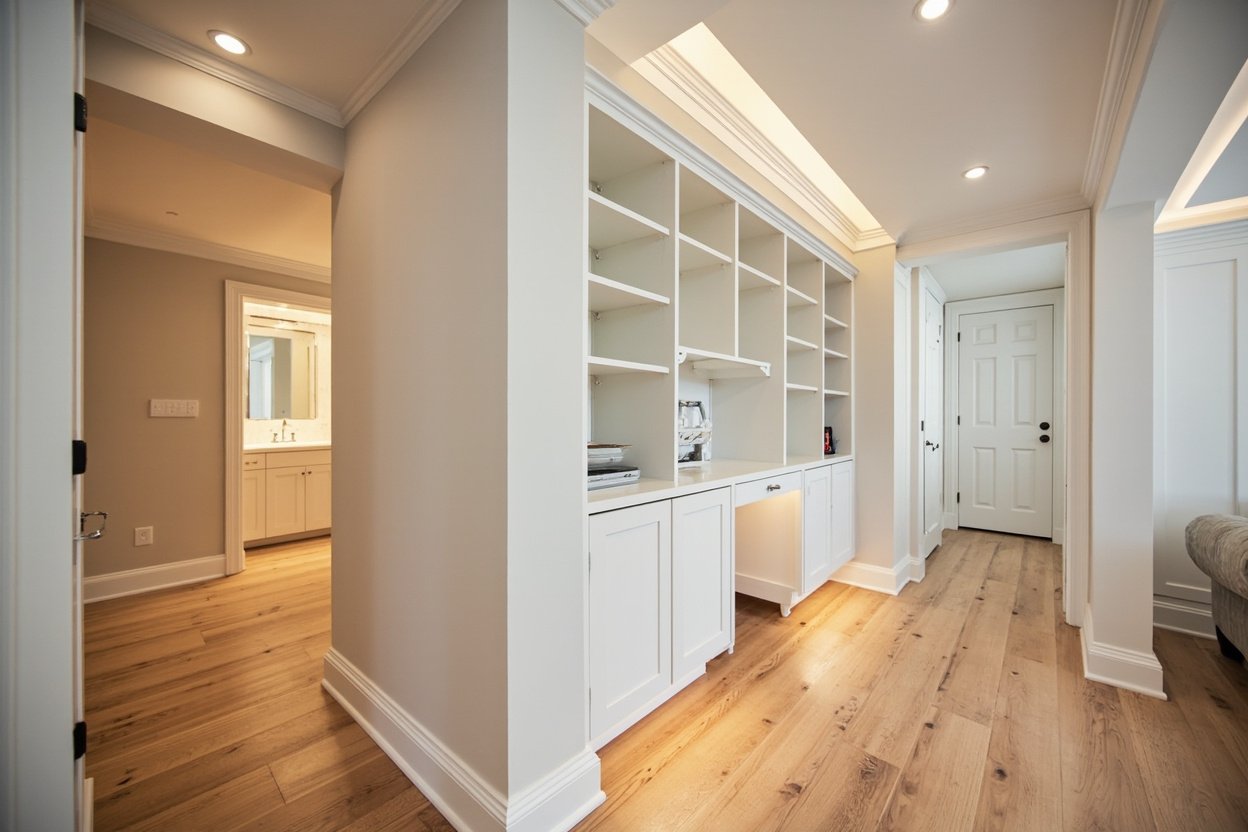
Why Boston Homeowners Add Basements Bathrooms
Greater Boston homes range from historic colonials in Newton and Lexington to mid-century ranches in Quincy and Westwood. Many of these properties have basements that were never designed for modern living. Adding a basement bathroom addition addresses several common challenges:
- Convenience for family members and guests using finished basement spaces like home theaters, gyms, or play areas
- Property value boost that typically recoups a significant portion of your investment
- In-law suite or au pair quarters that meet modern expectations for separate living arrangements
- Rental potential if you’re considering a basement apartment in the future
Key Challenges for Boston Basement Projects
Basement finishing in Greater Boston presents unique challenges that differ from above-ground renovation. Understanding these factors helps you plan realistic expectations for your project.
Older home foundations: Many Boston-area homes were built before modern building codes. Foundation walls may be irregular, made of stone, or have settling issues that need addressing before any finishing work begins.
Ceiling height restrictions: Older homes often have basement ceiling heights below current standards. You’ll need to work with your contractor to determine if headroom will accommodate a full bath or if a compact design makes more sense.
Below-grade moisture: Massachusetts weather brings significant groundwater challenges. Spring snowmelt and heavy rains put pressure on basement waterproofing systems that may be decades old.
Egress requirements: Building codes require safe exit options from basements that serve as living spaces. Your bathroom addition project may coordinate with egress window installation to bring your basement up to code.
The Basement Bathroom Addition Process
Working with a basement-specialist contractor means your project follows a proven process designed to minimize disruption and deliver quality results. Here’s what you can expect:
- Initial consultation and assessment: We evaluate your basement’s current condition, check for moisture issues, measure ceiling heights, and discuss your vision for the space.
- Design and planning: Layout options are developed based on where your existing plumbing runs, ensuring costs stay reasonable by connecting to current drain lines.
- Permit coordination: Boston and its surrounding communities require permits for basement work. We handle this paperwork and schedule inspections.
- Construction: Our crews manage demo, framing, plumbing rough-in, electrical, insulation, drywall, and finishing work with daily cleanup.
- Final walkthrough: We inspect every detail together before considering the project complete.
Managing Moisture in Your Boston Basement
Moisture is the enemy of any below-grade space, and bathrooms create additional humidity that must be managed properly. Our approach to basement finishing accounts for Massachusetts climate conditions:
- Waterproofing assessment before any finishing begins to identify and address existing issues
- Proper ventilation with exhaust fans sized appropriately for bathroom square footage
- Moisture-resistant materials including special drywall, flooring underlayments, and paint designed for basements
- Drainage considerations that direct any water away from your finished space
- Dehumidification planning to maintain healthy humidity levels year-round
Taking these steps protects your investment and prevents the mold and structural issues that plague improperly finished basements.
What Your Bathroom Might Include
Every basement bathroom addition in Boston looks different based on your space, budget, and how the room will be used. Common elements our projects include:
- Toilet and sink combinations ranging from compact half-baths to full five-piece layouts
- Walk-in or sit-down showers with tile or premium acrylic surrounds
- Vanity storage that maximizes limited space with thoughtful design
- Exhaust ventilation with quiet, powerful fans that control humidity
- Appropriate lighting including vanity fixtures, recessed lighting, and ambient options
- Quality fixtures from trusted manufacturers that balance aesthetics with durability
Why Work with a Basement Specialist
General contractors may lack the specific knowledge needed for below-grade construction. Basement Finishing of Boston brings focused expertise to every project:
- Trades coordination: We manage licensed plumbers and electricians, handling permit coordination and scheduling so you don’t have to.
- Local code knowledge: We understand requirements in Needham, Newton, Wellesley, Brookline, and all our service communities.
- Clean work sites: Basement projects generate dust and debris. We protect your home with proper containment and daily cleanup.
- Transparent communication: You’ll always know project status, and we respond promptly when you have questions.
Ready to transform your basement? Visit our basement finishing page or call (857) 666-8643 for a Free, no-obligation estimate
Adding a basement bathroom addition to your Boston home is one of the smartest investments you can make in your property. Whether you’re creating a guest suite for visiting family, adding convenience to a home gym, or preparing space for multi-generational living, our team has the experience and process to deliver results you’ll enjoy for years to come.
When planning your basement bathroom addition boston, focus on proper scope definition, moisture management, and selecting materials suited for below-grade spaces.