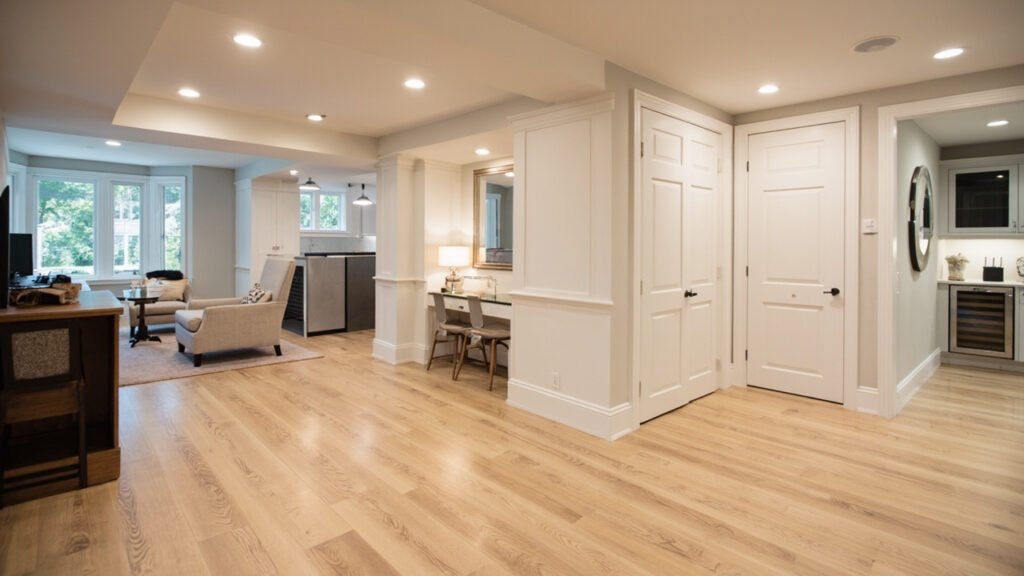
A basement bathroom addition is one of the most valuable upgrades you can make to your Boston-area home. Whether you are finishing a guest suite, creating a gym space, or building an in-law apartment, adding a bathroom below grade comes with its own set of challenges and opportunities unique to the Greater Boston region.
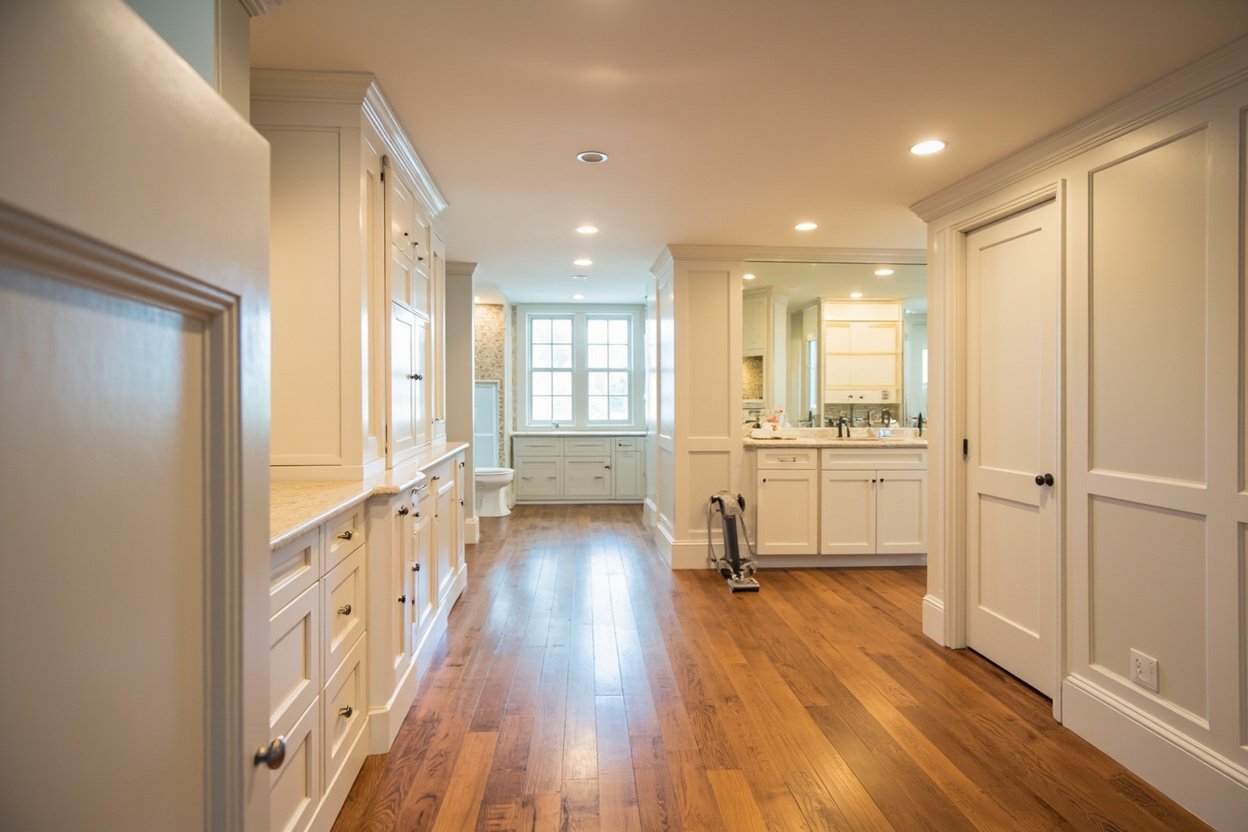
Why Boston Homeowners Add Bathrooms in Their Basements
Basement bathrooms serve real practical needs. A finished basement without a bathroom means climbing stairs every time someone needs to use the facilities—something that becomes especially inconvenient for older family members, guests, or anyone using a basement home office or gym. Beyond convenience, a basement bathroom can increase your home’s value and make a finished lower level feel like a true extension of your living space rather than a converted storage area.
For homeowners in communities like Newton, Wellesley, Brookline, and Lexington, basement finishes often involve older homes with unique layouts. Adding a bathroom during the finishing process is far more cost-effective than retrofitting one later, which makes it a smart investment for any basement remodeling project.
Key Considerations Before Starting Your Basement Bathroom Buildout
Basement bathrooms are different from bathrooms above grade, and in the Boston area, several factors come into play that homeowners should understand before diving in.
- Ceiling height requirements: Many Boston-area homes, especially in towns like Brookline, Westwood, and Quincy, have older basement structures with lower ceilings. Massachusetts building codes typically require at least 7 feet of headroom for finished habitable spaces, so it is important to measure your existing ceiling height early in the planning process.
- Drainage and slope: Below-grade bathrooms need to gravity-drain into the sewer line, which means your basement floor elevation relative to the main drain matters. Our team assesses this during every site visit to determine whether your layout can accommodate a standard drain configuration or if additional pumping solutions are needed.
- Ventilation and moisture management: Basements naturally hold more moisture, which is why moisture-aware finishing is critical. Proper ventilation, exhaust fans rated for below-grade use, and moisture-resistant materials help prevent mold and humidity issues that are common in older Boston homes with less robust waterproofing systems.
Egress and Building Code Requirements in Greater Boston
Massachusetts has specific building codes for basement bathrooms, particularly when it comes to egress windows and ventilation. If your basement bathroom has no window, code may require enhanced mechanical ventilation to ensure proper air exchange. In towns like Wellesley, Lexington, and Wayland, local building inspectors can have varying interpretations of code requirements, which is why working with a contractor familiar with regional permitting is a significant advantage.
Egress requirements also come into play if your basement is being converted to a habitable space. Many basement bathroom additions are part of broader basement finishing projects that include guest suites or in-law apartments. In those cases, egress windows or alternative means of escape must meet minimum size and sill height requirements.
What the Basement Bathroom Addition Process Looks Like
Our process for basement bathroom additions in Boston follows a clear, professional sequence designed to minimize disruption and keep communication flowing throughout the project.
- Site assessment and planning: We evaluate your existing plumbing rough-in, drainage options, ceiling height, and any moisture concerns before finalizing scope.
- Design and permitting: Our team handles the permit process, working with local building departments in Needham, Natick, Acton, and surrounding communities to ensure your project meets all code requirements.
- Framing and trade coordination: Licensed electricians and plumbers handle the rough-in work, including drain lines, water supply, venting, and electrical for lighting and exhaust fans.
- Insulation, moisture barriers, and drywall: We install moisture-resistant insulation and vapor barriers appropriate for below-grade conditions, followed by mold-resistant drywall.
- Finishing and fixture installation: Flooring, trim, paint, lighting, and bathroom fixtures are completed with attention to detail that matches our basement finishing standards throughout.
Moisture-Aware Finishing for Boston Basements
Boston’s climate means basements experience seasonal humidity shifts, freeze-thaw cycles, and moisture migration through foundation walls. This makes moisture management not a luxury but a necessity for any below-grade bathroom.
We recommend several strategies for basement bathroom additions in the Greater Boston area:
- Installing exterior drainage dimple boards or interior waterproofing systems before finishing
- Using closed-cell spray foam insulation to create a vapor barrier against foundation walls
- Selecting moisture-resistant flooring such as luxury vinyl tile (LVT) or porcelain tile rather than hardwood or carpet
- Installing exhaust fans rated for basement use with dedicated ductwork to the exterior
- Using mold-resistant drywall and mildew-resistant grout in shower and wet areas
These steps protect your investment and ensure your basement bathroom stays comfortable and problem-free for years to come.
Making the Most of Your Basement Bathroom Addition
A basement bathroom can be as simple or as elaborate as your space and budget allow. Some homeowners opt for a compact half-bath with a toilet and sink, while others build full bathrooms with walk-in showers, vanities, and heated floors. The scope depends on how you plan to use your finished basement.
For homeowners converting part of their basement into a home office, gym, or guest suite, a half-bath is often sufficient and keeps costs manageable. For those building in-law apartments or rental units in Newton, Wellesley, or Bedford, a full bath with shower may be necessary to maximize the space’s functionality and value.
Either way, thinking about bathroom placement early in the design process ensures your plumbing rough-in is efficient and cost-effective. Adding a bathroom far from your home’s main drain stack increases material and labor costs, so strategic placement is worth considering from the start.
Ready to Get Started?
Basement finishing projects in the Greater Boston area benefit from working with a contractor who understands the unique challenges of below-grade construction in older New England homes. From moisture management to egress compliance, every detail matters when you are adding a bathroom to your basement.
Ready to transform your basement? Visit our basement finishing page or call (857) 666-8643 for a Free, no-obligation estimate
When planning your basement bathroom addition boston, focus on proper scope definition, moisture management, and selecting materials suited for below-grade spaces.